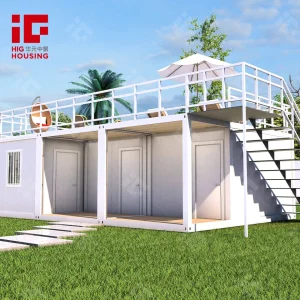
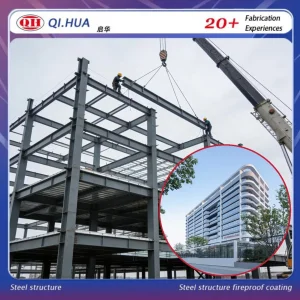
Explore our primary offsite volumetric modules, structural units, and industrial integrated building solutions engineered for immediate global deployment.
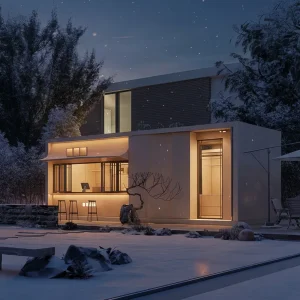
Understanding the shift toward offsite volumetric manufacturing, hydro-insulation engineering, and structural longevity in extreme weather environments.
The global construction ecosystem is undergoing an unprecedented structural transition from traditional, field-intensive stick-built methods toward high-precision, offsite volumetric modular manufacturing. Among the critical engineering metrics driving this adoption—speed, material efficiency, and cost stability—waterproofing and moisture resilience stand out as paramount determiners of long-term structural integrity and commercial asset value.
Modular buildings are deployed across diverse global microclimates, ranging from hurricane-prone coastal resorts and high-humidity tropical sites to freezing sub-arctic industrial camps. In these harsh settings, moisture ingress remains the leading cause of structural degradation, steel corrosion, mold growth, and premature thermal insulation failure. Consequently, international procurement entities are increasingly seeking optimized water-resistant modular building solutions from tier-1 Chinese manufacturers capable of integrating structural waterproofing directly into factory assembly lines.
By shifting structural waterproofing from reactive field applications to controlled, automated indoor manufacturing, engineered water-resistant modular buildings eliminate weather-dependent construction delays and human installation error. This whitepaper provides a comprehensive evaluation of China's wholesale manufacturing capability, structural waterproofing mechanics, localized industrial applications, and long-term procurement frameworks for global developers, EPC contractors, and municipal bodies.
How advanced structural sealants, hydrophobic composite panels, and multi-stage drainage channels prevent moisture ingress.
The primary vulnerability in modular buildings lies in the inter-modular connection seams. Leading Chinese factories utilize double-layered EPDM (Ethylene Propylene Diene Monomer) gasket seals combined with structural neutral silicone sealants. This design forms a continuous primary and secondary weather-tight barrier against driven wind and torrential rain.
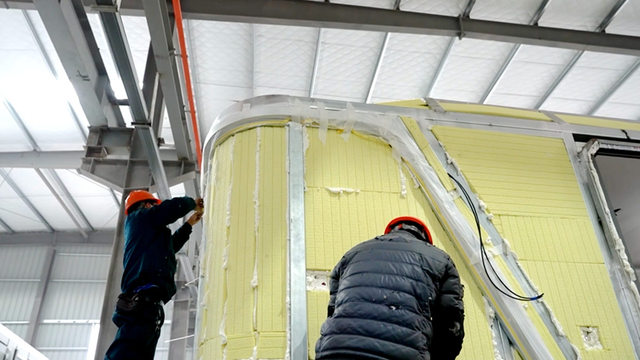
Wall assemblies feature closed-cell Polyurethane (PU), Polyisocyanurate (PIR), or high-density hydrophobic Rockwool sandwich panels. With water absorption rates under 1.0% by volume, these panels prevent capillar water suction, retaining thermal conductivity rating (R-value) even under persistent high ambient humidity.
Unlike flat roof designs prone to water pooling, water-resistant modular units incorporate built-in internal gutters and concealed downspouts within the corner structural columns. Engineered sloped roof crowns ensure rapid rainwater shedding, eliminating static water load issues entirely.
| Performance Criteria | Standard Prefabricated Units | Water-Resistant Volumetric Modules | Engineering Compliance Standard |
|---|---|---|---|
| Primary Frame Coating | Standard Primer Paint | Hot-Dip Galvanized + Epoxy Zinc-Rich System | ISO 12944 C4/C5 Corrosion Class |
| Sealing Gasket Life | 3 - 5 Years (Acrylic Sealant) | 25+ Years (Structural EPDM + Silicone) | ASTM C920 Type S / Grade NS |
| Envelope Waterproofing | Single-Layer Exterior Cladding | Dual Envelope + Drainage Cavity & Vapor Barrier | EN 13859-1 / DIN 4108-7 |
| Floor Decking Substrate | Standard Plywood / Particle Board | Fiber Cement Board + Liquid Waterproofing Membrane | BS EN 12467 Class A |
Why global procurement directors rely on Ningbo and major Chinese industrial hubs for high-volume modular supply.
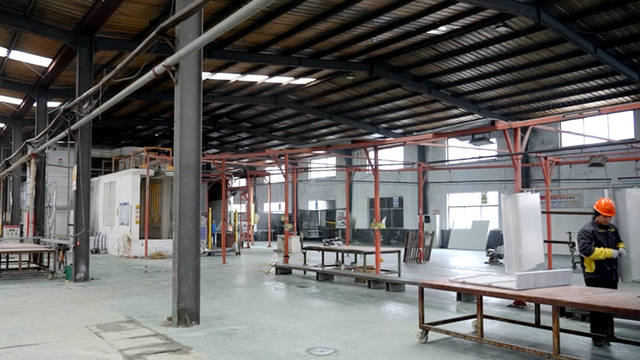
China's industrial leadership in offsite modular construction is rooted in an unmatched cluster of raw material suppliers, automated fabrication infrastructure, and deep-water maritime export logistics. Factories in manufacturing epicenters like Ningbo operate with high automation ratios, ensuring structural tolerances measured in millimeters rather than centimeters.
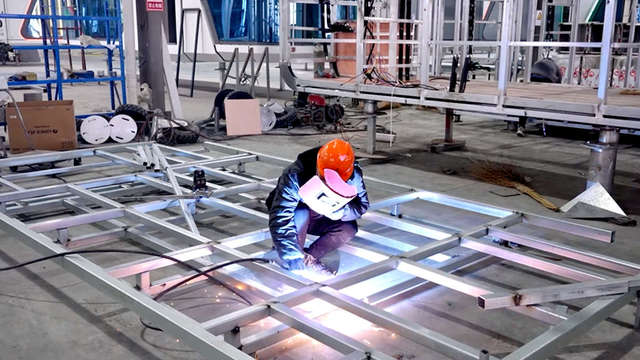
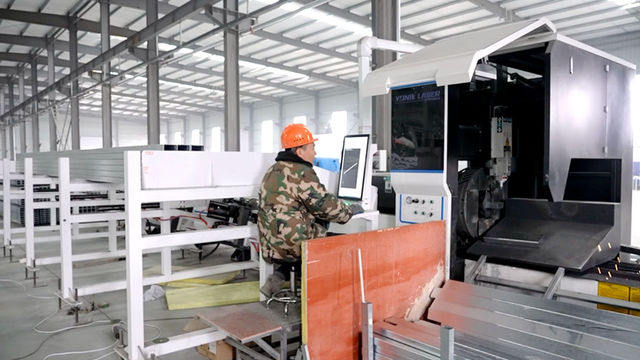
By leveraging automated CNC laser cutting, robotic frame welding, and automated continuous sandwich panel production lines, Chinese factories maintain extreme consistency across thousands of standardized module units. This precision is vital for water resistance: perfectly rectangular structural frames guarantee that factory-applied gaskets compress uniformly during field installation, preventing water-leakage micro-gaps.
From primary steel mills delivering cold-formed structural channels to specialized manufacturers of specialized polymer sealants, thermal-break aluminum windows, and RO water purification modules, China's localized supply ecosystem reduces lead times by up to 60% compared to Western manufacturers, while maintaining competitive wholesale pricing.
3D modeling for precise structural calculation and hydraulic load balancing.
Robotic welding and CNC processing of heavy-gauge galvanized steel profiles.
Application of fluid-applied membranes, EPDM gaskets, and insulation wall cores.
Simulated extreme rain testing prior to flat-pack or volumetric export shipping.
From coastal tourism resorts to specialized remote utility hubs, engineered water-resistant structures deliver operational continuity.
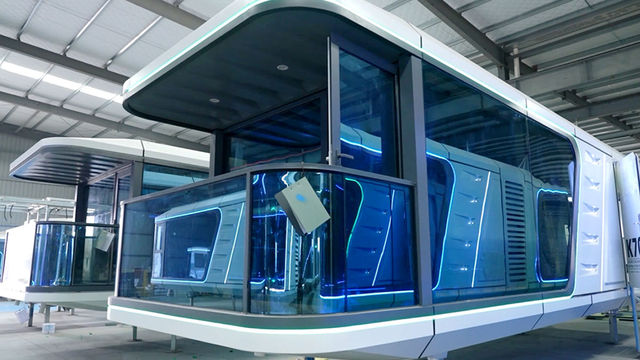
Glamping resorts, luxury modular villas, and modern space capsules deployed along tropical ocean lines face extreme atmospheric salinity and relentless rainfall. Corrosion-resistant steel chassis combined with sealed aluminum sliding windows ensure luxury interiors remain dry and rust-free for decades.
Workforce dormitories and field offices in high-humidity rainforests or tundra zones require dependable shelter. Modular workforce camps provide fully insulated, waterproof living environments featuring rapid assembly and breakdown capabilities for multi-phase projects.
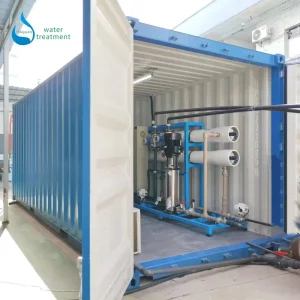
Advanced modular enclosures house heavy equipment like Reverse Osmosis (RO) seawater desalination units or filtration systems. These water-resistant structures protect sensitive electronics from ambient water spray, while containing interior spillages with integrated catch-basins.
Prefabricated modular hospitals and field clinics demand strict interior humidity control and zero water ingress to maintain sterile healthcare environments. Integrated roof designs and sealed wall cladding prevent mold spore accumulation.
Commercial coffee shop modules and temporary urban retail spaces require sleek aesthetics coupled with zero weather downtime. Factory-fitted waterproof electrical conduits and double-sealed roof modules ensure immediate commercial readiness.
Heavy machinery control units and automatic sand reclamation facilities operate in dust and moisture-heavy industrial zones. Water-resistant modular structures provide sealed, clean-room environments for process automation systems.
A forward-looking leader in offsite construction, volumetric modular housing, and turnkey building solutions.
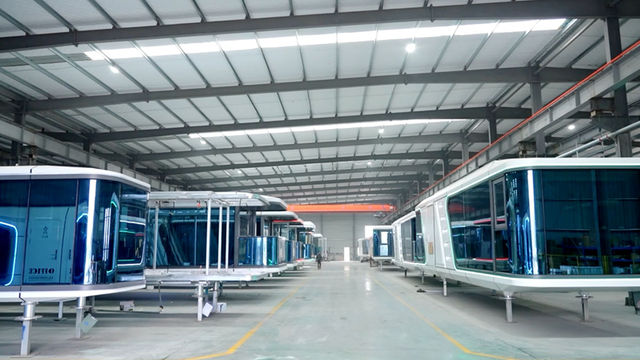
Ningbo Shupshy Container Co., Ltd. is a forward-looking manufacturer specializing in advanced modular construction, positioned as a Modular Integrated Housing Manufacturer | Offsite Construction & Turnkey Building Solutions provider. The company focuses on delivering efficient, scalable, and fully integrated housing systems for residential, commercial, and industrial applications worldwide.
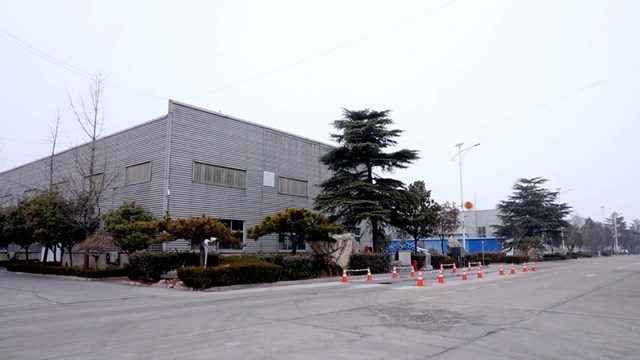
Founded in 2013 in Ningbo, China, Shupshy Container initially focused on the production of container-based structures for logistics and temporary facilities. Recognizing the rapid global shift toward offsite construction and modular integration, the company expanded its expertise into fully prefabricated housing systems. By 2017, it had developed a comprehensive portfolio of volumetric modular units, integrated container housing, and turnkey building solutions.
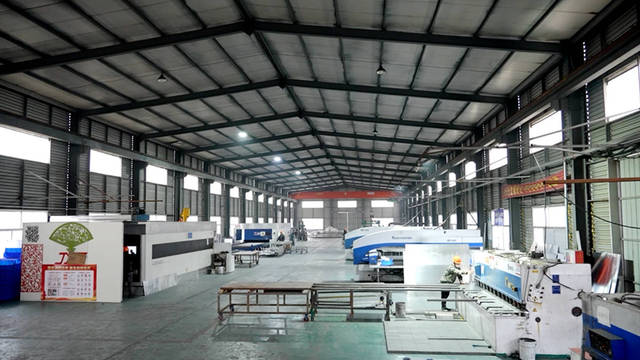
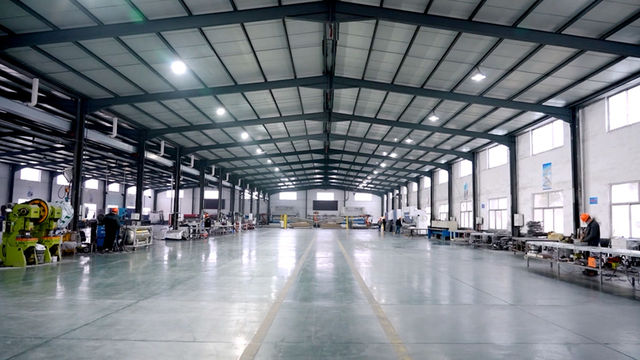
With strong investment in automation and precision manufacturing, Shupshy operates modern production lines featuring CNC cutting, robotic welding, and standardized module assembly. Its solutions are designed for quick installation, high durability, and flexible customization, enabling clients to efficiently deploy housing for urban development, workforce accommodation, hospitality, and public infrastructure.
Today, Ningbo Shupshy Container Co., Ltd. serves clients across Asia, Europe, the Middle East, and Africa. Committed to innovation, sustainability, and smart construction practices, the company continues to lead in modular integrated housing by providing reliable, cost-effective, and future-ready building solutions tailored to global project needs.
Anticipating the technological advancements that will shape modular construction over the next decade.
Building Information Modeling (BIM) platforms are expanding into fluid dynamics simulation, allowing engineers to stress-test module roof designs against simulated 100-year rainstorms before raw materials are cut in the factory.
Next-generation modular buildings incorporate embedded IoT micro-sensors within critical structural seams. These sensors alert facility managers to micro-humidity changes, enabling preventive maintenance long before visible water damage occurs.
Innovations in exterior powder coatings utilize hydrophobic nanomaterials that reject moisture at the molecular level while offering micro-scratch self-healing capabilities to maintain long-term anti-corrosive integrity.
Discover our specialized line of space capsules, hospital units, manufacturing equipment, and expandable housing solutions.


Addressing essential procurement, technical performance, and installation queries for commercial buyers.
During maritime export, modules are subjected to extreme salt spray and high humidity. Manufacturers employ heavy-duty heat-shrink marine wrapping, anti-corrosive transit coatings, and sealed containerized packaging. All structural corner casting points and roof seams are temporarily plugged and sealed to prevent ocean mist penetration during transit.
While modular units are weather-sealed, proper site drainage is crucial. We recommend concrete piers, strip foundations, or elevated concrete slabs that raise the structural base frame at least 150mm to 300mm above ground level. This prevents direct immersion during localized flash flooding and ensures sub-floor ventilation.
Yes. Structural steel framing engineered by Ningbo Shupshy is calculated to resist wind loads up to 120 mph to 150 mph (Category 3 to 5 hurricane equivalents, depending on structural spec). Dual-gasket EPDM window seals and structural roof interlocking systems prevent high-pressure wind from forcing water through joint interfaces.
Primary hot-dip galvanized steel frames and PIR/PU sandwich panels last 50+ years. High-grade factory-applied EPDM structural gaskets and silicone joint sealants typically carry a service life of 20 to 25 years before requiring standard exterior maintenance inspection and minor elastomeric resealing.
All service penetrations (water inlet/outlet, electrical conduits, HVAC lines) are pre-engineered during factory fabrication. Penetrations pass through dedicated insulated sleeves equipped with rubber grommets, marine-grade cable glands, and fluid-applied elastomeric seals, preventing water migration into wall cavities.
 Shupshy Container