Engineered to deliver high thermal integrity, off-grid energy generation, and structural versatility under severe weather environments.

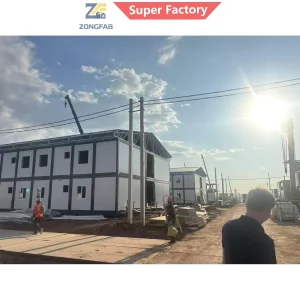
Addressing structural optimization, carbon reduction targets, and accelerated ROI for contemporary real estate developers.
Modern luxury modular manufacturing reduces operational waste by up to 90%. By moving construction offsite, materials are protected from atmospheric degradation, reducing moisture entrapment and concrete carbon output.
Parallel workflows allow site preparation and volumetric module fabrication to occur simultaneously. This cuts the overall project timeline by 30% to 50%, enabling faster tenant occupancy and rapid capital recycling.
Utilizing high-grade structural steel and structural insulated panels (SIPs), modular units achieve structural wind-load tolerances of Category 5 (up to 250 km/h) and high seismic resistance classifications.
The global shift toward high-end modular accommodation reflects a fundamental change in standard construction techniques. Investors and development conglomerates are prioritizing precision offsite fabrication to mitigate standard risks like local labor deficits, inflation of material costs, and unpredictable weather delays. Volumetric modular manufacturing methods translate high architectural expectations into customizable, precision-toleranced, factory-controlled products.
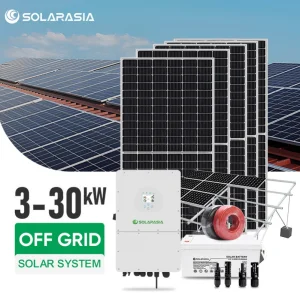
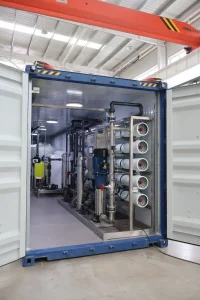
Furthermore, structural integrations of smart IoT layers, specialized water-handling modules (e.g., Reverse Osmosis systems), and dedicated off-grid energy generation platforms represent the peak of modern modular luxury. These residences operate independently from public grids, providing reliable comfort in high-end projects worldwide.
Analyzing key structural shifts, market drivers, and regional growth dynamics across the international prefabrication landscape.
The worldwide market for modular construction, valued at billions of USD, is projected to sustain a Compound Annual Growth Rate (CAGR) exceeding 7.5% through the decade. This growth is driven by demographic pressure in urban centers, the demand for green buildings (LEED, BREEAM), and the expansion of eco-tourism. Advanced factories in China have become key suppliers to these global initiatives, shipping complex, volumetric modular assets to strict regulatory markets across Europe, Oceania, and the Americas.
In North America, modular solutions are increasingly adopted in single-family residential projects and high-density apartments. In the EU, policies emphasizing circular economies and thermal performance targets (EPBD) drive developers to choose prefabricated steel and timber frames with factory-installed insulation.
| Parameter Category | Industrial Standard Spec | Premium Modular Range | Regulatory Compliance Reference |
|---|---|---|---|
| Structural Lifetime | 30 - 50 Years | 50 - 75+ Years (Heavy Gauge Steel) | ISO 12944 / Eurocode 3 |
| Seismic Resistance | Magnitude 7.0 (PGA 0.2g) | Magnitude 8.0+ (PGA 0.4g) | ASCE 7-16 / EN 1998 |
| Thermal Performance | U-value: 0.28 W/m²K | U-value: 0.15 W/m²K (Passivhaus spec) | ASHRAE 90.1 / Title 24 California |
| Acoustic Attenuation | STC 45 (Standard partitions) | STC 55 - 60+ (Inter-module decoupling) | ASTM E90 / ISO 10140 |
| Fire Protection | 60 Minutes Structural Core | 120 - 180 Minutes (Non-combustible core) | NFPA 285 / BS 476 Parts 20-22 |
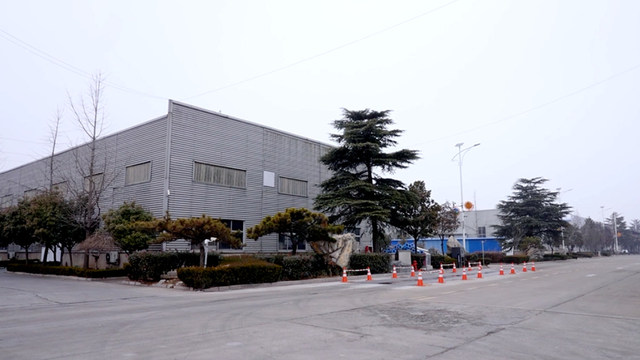
Ningbo Shupshy Container Co., Ltd. is a forward-looking manufacturer specializing in advanced modular construction, positioned as a Modular Integrated Housing Manufacturer | Offsite Construction & Turnkey Building Solutions provider. The company focuses on delivering efficient, scalable, and fully integrated housing systems for residential, commercial, and industrial applications worldwide.
Founded in 2013 in Ningbo, China, Shupshy Container initially focused on the production of container-based structures for logistics and temporary facilities. Recognizing the rapid global shift toward offsite construction and modular integration, the company expanded its expertise into fully prefabricated housing systems. By 2017, it had developed a comprehensive portfolio of volumetric modular units, integrated container housing, and turnkey building solutions.
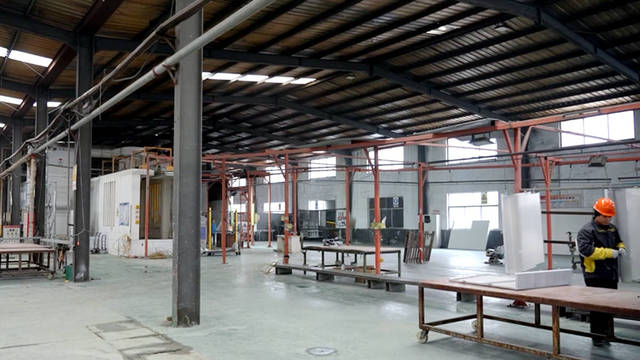
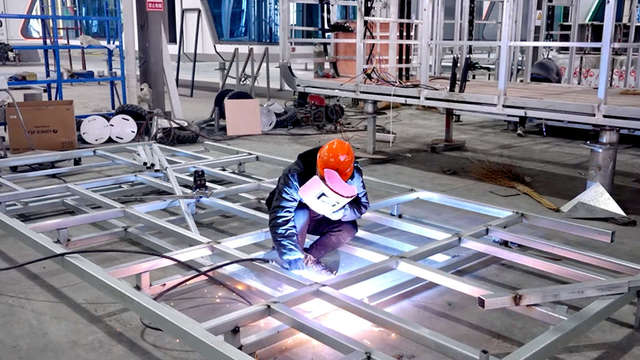
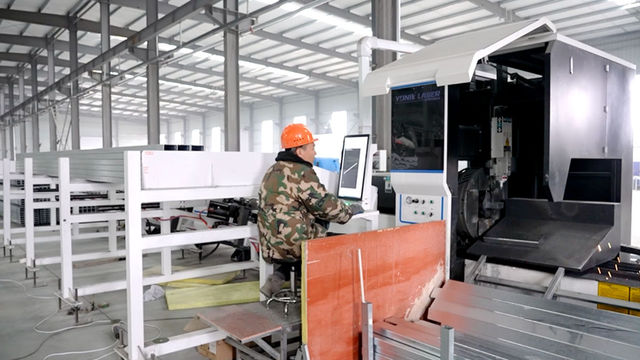
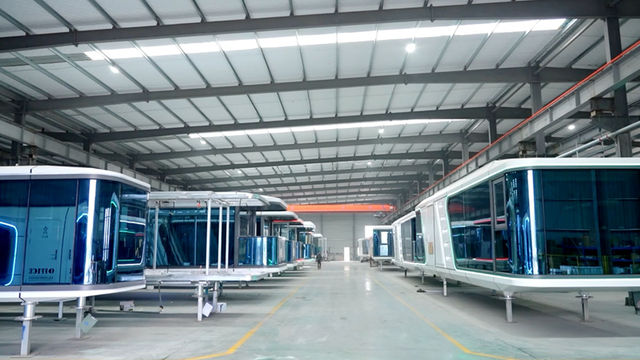
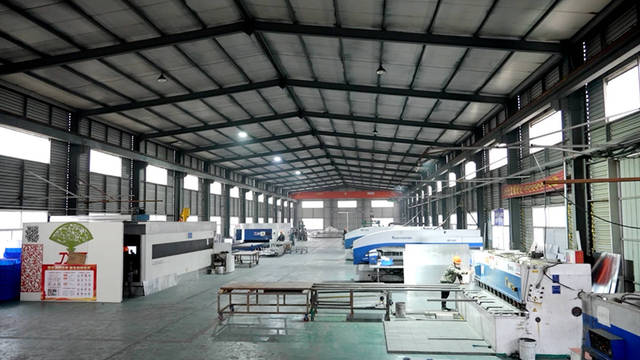
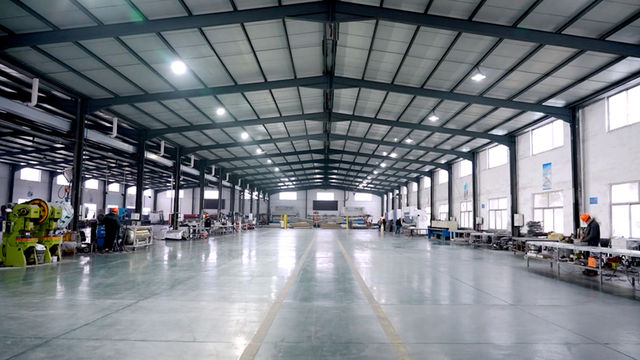
With strong investment in automation and precision manufacturing, Shupshy operates modern production lines featuring CNC cutting, robotic welding, and standardized module assembly. Its solutions are designed for quick installation, high durability, and flexible customization, enabling clients to efficiently deploy housing for urban development, workforce accommodation, hospitality, and public infrastructure.
Today, Ningbo Shupshy Container Co., Ltd. serves clients across Asia, Europe, the Middle East, and Africa. Committed to innovation, sustainability, and smart construction practices, the company continues to lead in modular integrated housing by providing reliable, cost-effective, and future-ready building solutions tailored to global project needs.
Customizing structural engineering profiles to satisfy local regional codes, certifications, and wind-load loads.
Designed in compliance with International Building Codes (IBC) and local state approvals. Features electrical systems engineered to NEC specifications, utilizing UL/CSA certified wiring, panelboards, and smart home sub-systems.
Built to Eurocode 3 (structural steel design) and CE certification guidelines. Integrated insulation panels meet EN 13501 fire performance classifications, delivering high thermal efficiency for demanding environments.
Structural frameworks are engineered for high-wind conditions in regional zones (AS/NZS 1170.2). Structural components undergo complete hot-dip galvanization to resist atmospheric corrosion in coastal areas.
Our global manufacturing networks maintain strict quality control processes. This includes mill test reports (MTRs) for structural steel profiles and third-party inspection certifications for thermal performance, fire resistance, and structural integrity. This guarantees that delivered modular assets can be permitted and installed smoothly in target markets.
Deploying advanced volumetric systems across a range of structural and commercial settings globally.
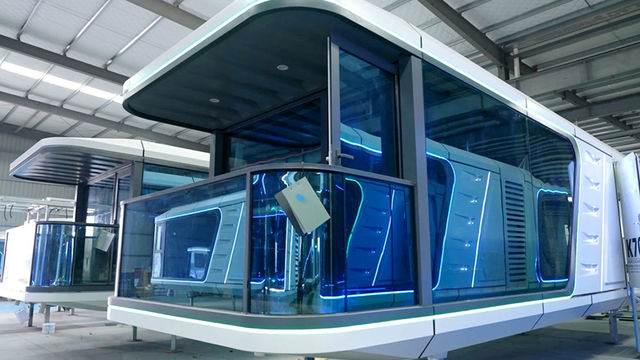
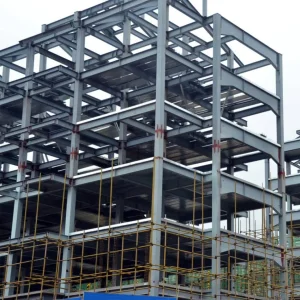
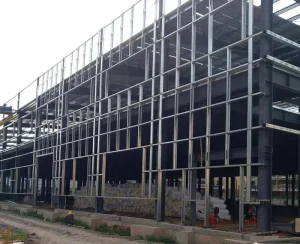
Modular space capsules and high-rise structural systems can be deployed rapidly in sensitive ecologies, minimizing local footprint and keeping onsite structural work to a minimum.
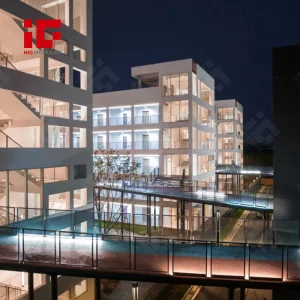
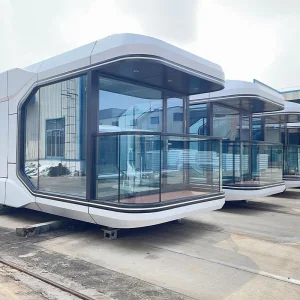
High-end architectural finishes combined with structural steel frameworks support wide cantilevers and floor-to-ceiling glass facades, ideal for premium residential projects.
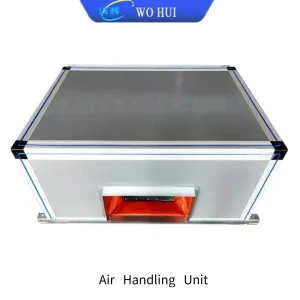
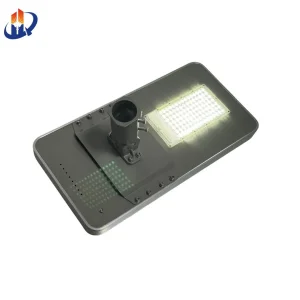
Combining heavy-duty modular units with integrated off-grid energy storage, fresh-air units, and reverse osmosis water systems for off-grid operations.
Leading the next generation of modular construction through smart design and sustainable structural systems.
Integrating architectural layout concepts with direct factory CNC tooling files. This eliminates errors between structural drawings and factory execution, supporting precise volumetric customization.
Developing structural assemblies that combine cold-formed steel framing with low-carbon structural components, optimizing structural weight while reducing environmental impact.
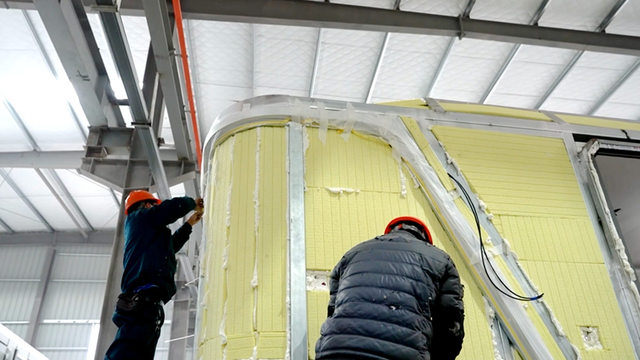
Pre-installing smart home control interfaces, HVAC recovery units, water treatment systems, and scalable solar battery kits directly within modular walls at the factory.
Technical guidance and logistics information for global buyers and real estate development groups.
Structural lifespans are certified through FEA (Finite Element Analysis) modeling and material standards. Standard steel frames are hot-dip galvanized and coated with zinc-rich epoxy primers, protecting the core structure for 50+ years when properly maintained.
Yes. By combining energy systems like the 10kVA solar kit with mobile RO water equipment and high-efficiency fresh air handling units, modular units can operate independently in regions without municipal utility hookups.
Insulation configurations are adapted to target climates. High-efficiency PU foam, rockwool insulation, or VIP (Vacuum Insulation Panels) are applied in customized thicknesses to satisfy local building energy codes (e.g., California Title 24 or European Union energy directives).
Modular units are shipped as flat-packs or complete volumetric structures. Volumetric structures are built to ISO dimensions, allowing them to load onto container ships as standard SOC (Shipper Owned Container) units, which keeps international freight costs manageable.
Architectural modular systems and components designed for durable construction and high efficiency.
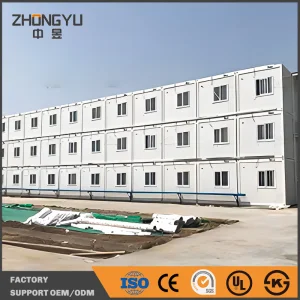
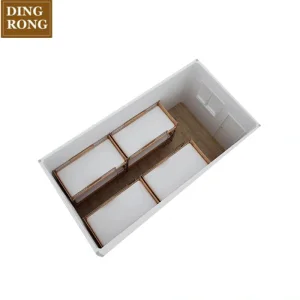
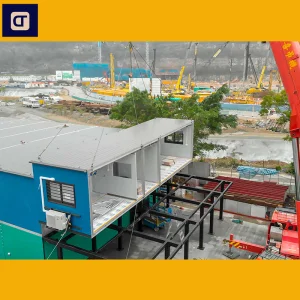
 Shupshy Container