
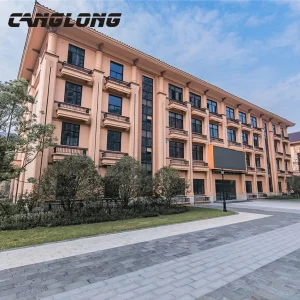
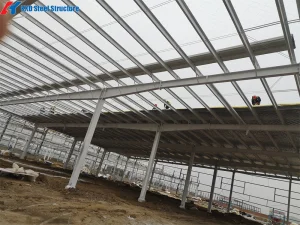
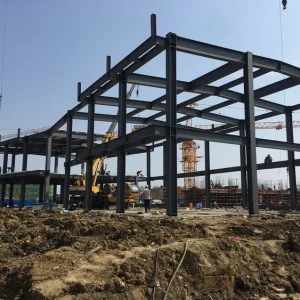
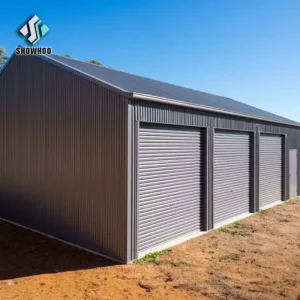
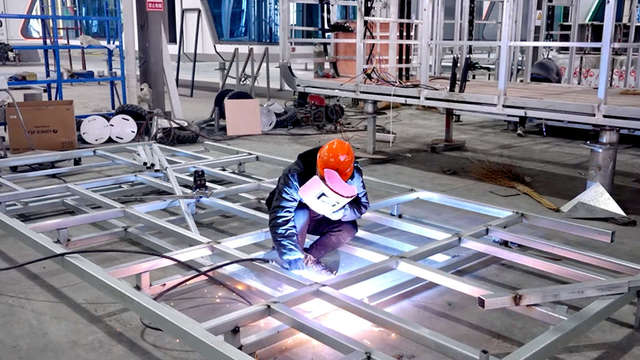
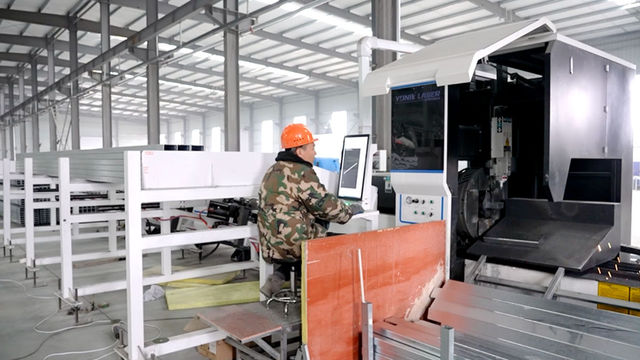
Ningbo Shupshy Container Co., Ltd. stands at the forefront of the modular construction sector, globally recognized as a premier Modular Integrated Housing Manufacturer | Offsite Construction & Turnkey Building Solutions provider. Founded in 2013 in the strategic logistics hub of Ningbo, China, Shupshy has transitioned from its original foundation in standard container logistics units to high-precision engineering, volumetric fabrication, and customizable multi-story architectural configurations. By 2017, the organization aggressively integrated robotic welding stations, advanced CNC machining setups, and customized assembly procedures to produce a diverse portfolio of structures for developers, municipal planners, and commercial clients internationally.
OEM/ODM Strategic Focus: We provide engineering design, material integration, structure calculations, and assembly optimization under one roof. Our offsite volumetric methodology reduces onsite scheduling timelines by up to 50% while guaranteeing structural and thermal performance parameters.
Today, Shupshy is a trusted partner for global EPCs (Engineering, Procurement, and Construction companies). Our structural components are manufactured in controlled factory conditions, shielding raw materials from moisture and weathering, and minimizing waste to under 2% compared to traditional on-site masonry or steel builds.
The global construction industry faces unprecedented challenges: acute skilled labor shortages, tightening environmental compliance parameters, volatile material costs, and strict ESG directives. Modular integrated construction (MiC) has shifted from a niche architectural alternative to a strategic imperative.
By transferring roughly 80% to 90% of structural fabrication and interior finishing to a controlled factory ecosystem, we mitigate the unpredictability of site execution. Standardized modular systems allow for parallel processing—where foundation works on site happen simultaneously with module assembly in the factory, accelerating the project delivery schedule.
Parallel processing allows factory production and site preparation to happen concurrently, cutting overall delivery timelines by 40% to 60%.
Factory environments minimize scrap metal and resource waste, helping clients achieve LEED, BREEAM, or local green building certifications.
Strict quality gates at every production step ensure structural tolerances are kept under 2mm, far exceeding on-site build precision.
At Shupshy, we understand that structural demands vary across different applications. We offer comprehensive OEM/ODM structural customizations, ranging from light-gauge steel frame configurations to heavy-duty hot-rolled structural steel sections designed for multi-story residential and commercial spaces.
| Modular Type | Primary Structural Material | Standard Insulation | Ideal Application Scenario |
|---|---|---|---|
| Volumetric Modular Units | Q235B/Q355B Welded Carbon Steel | PIR / Rockwool Sandwich Panel | Multi-story Apartments, Student Accommodation, Hotels |
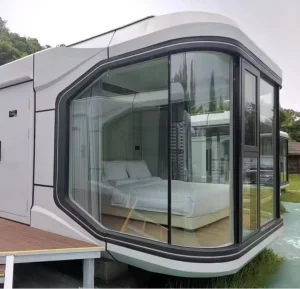
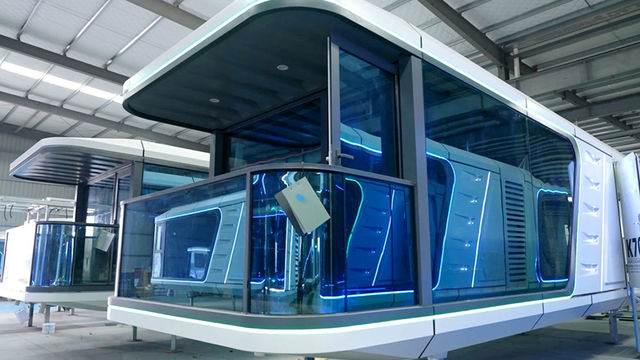
| Space Capsule Shells | Aviation-grade Aluminum / Fiber Reinforced Polymer | Polyurethane Spray Foam (PU) | Eco-tourism resorts, Glamping, Micro-villas |
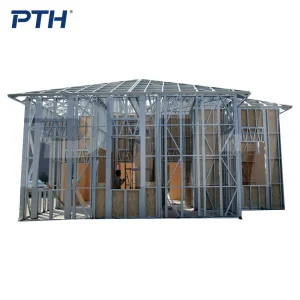
| Light Gauge Steel (LGS) Frame | Cold-rolled Galvanized C/U profiles | Glasswool + Gypsum Board | Residential Homes, Light Commercial Offices |
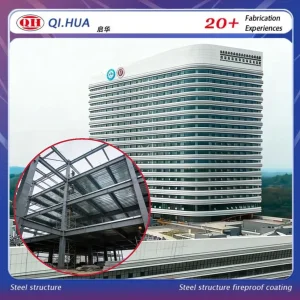
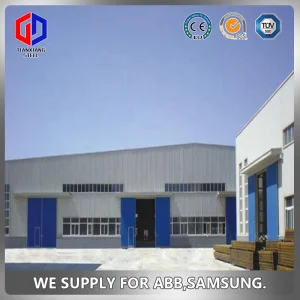
| Heavy Steel Structure Buildings | H-beams, Box columns, Lattice structures | Corrugated Steel Sheet + Insulation | Supermarkets, Warehouses, Large Span Industrial Plants |
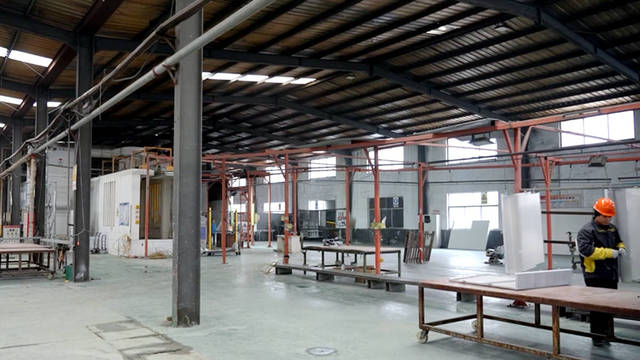
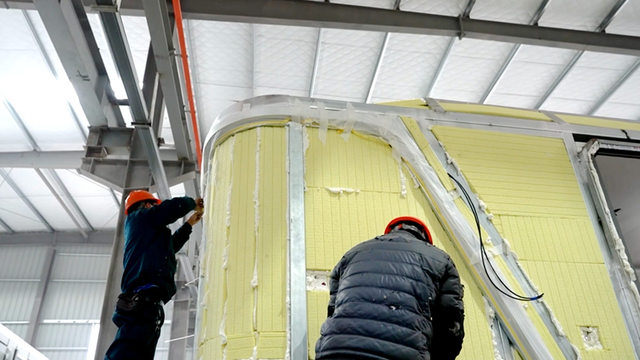
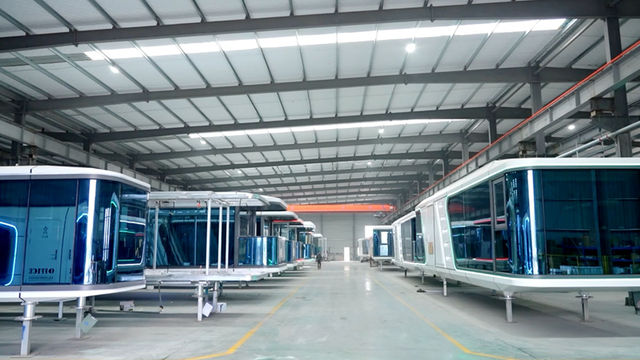
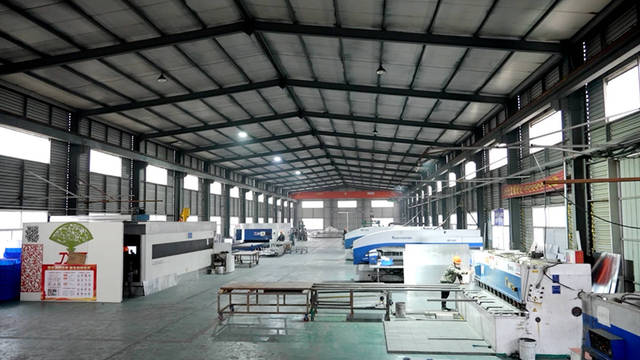
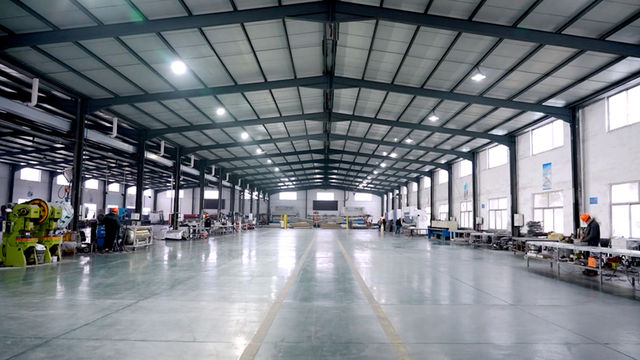
Our production facilities in Ningbo leverage automated cutting, standardized welding, assembly fixtures, and strict final stage inspections to maintain structural integrity.
Building regulations vary widely between jurisdictions. Navigating these regional codes is a core part of Shupshy's engineering process. Our design department works directly with structural engineers to ensure international code compliance, detailed calculations, and structural validation:
We manufacture structures to comply with AS/NZS 1170 structural design actions, including specific wind load models and earthquake actions. Steel components are galvanized in compliance with hot-dip requirements to prevent corrosion in coastal, high-humidity environments.
For North American and European projects, structural design aligns with IBC and Eurocode 3 (EN 1993) standards for structural steel. Thermal calculations incorporate U-value requirements, using high-density polyurethane (PU) and rockwool core panels to minimize thermal bridging.
Building physical units in China and exporting them globally requires robust quality control and logistic logistics management. Shupshy addresses key global supply chain issues through:
Shupshy continues to invest in emerging modular construction technologies:
We are incorporating Building Information Modeling (BIM) into our pre-production engineering pipeline. This allows our design team to run detailing checks, simulate structural performance, and optimize electrical/plumbing pathways before fabrication starts.
We are also developing and testing hybrid composite panels that offer high fire rating class performance alongside superior insulation values, helping developers design near-zero-energy buildings (nZEB).

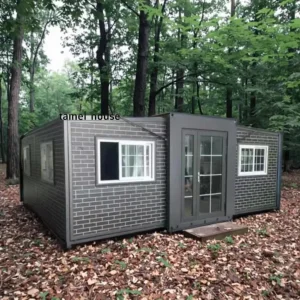
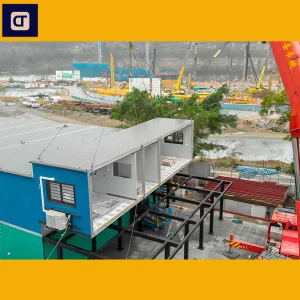

 Shupshy Container