Explore our foundational range of systems designed to construct sustainable, smart, and resilient living environments.
Delivering high-value, engineered volumetric assets through cutting-edge robotic fabrication processes.
Ningbo Shupshy Container Co., Ltd. is a forward-looking manufacturer specializing in advanced modular construction, positioned as a Modular Integrated Housing Manufacturer | Offsite Construction & Turnkey Building Solutions provider. The company focuses on delivering efficient, scalable, and fully integrated housing systems for residential, commercial, and industrial applications worldwide.
Founded in 2013 in Ningbo, China, Shupshy Container initially focused on the production of container-based structures for logistics and temporary facilities. Recognizing the rapid global shift toward offsite construction and modular integration, the company expanded its expertise into fully prefabricated housing systems. By 2017, it had developed a comprehensive portfolio of volumetric modular units, integrated container housing, and turnkey building solutions.
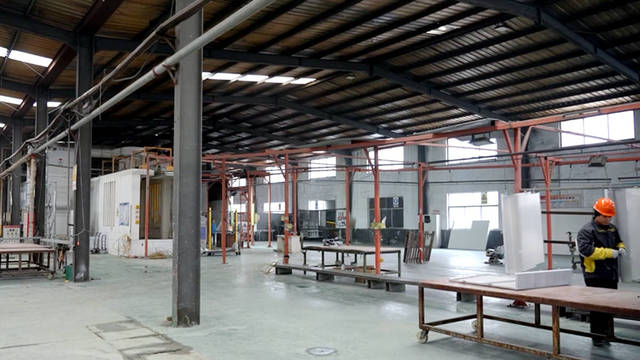
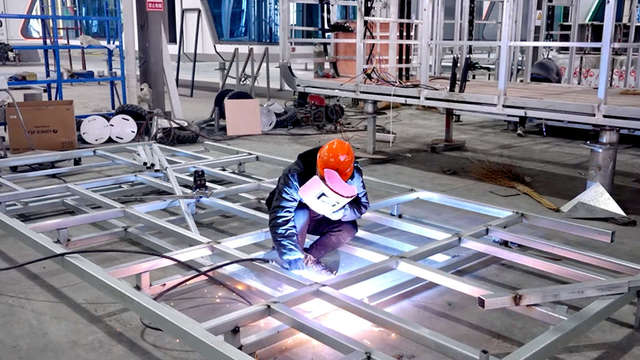
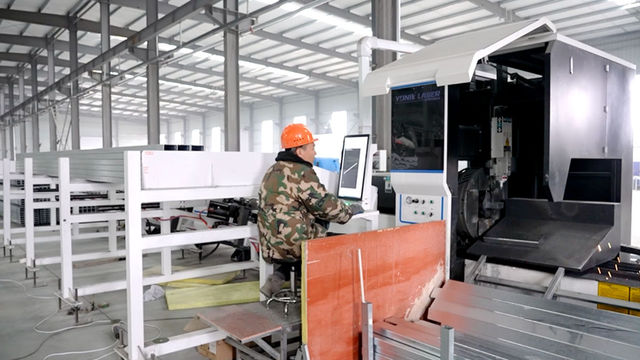
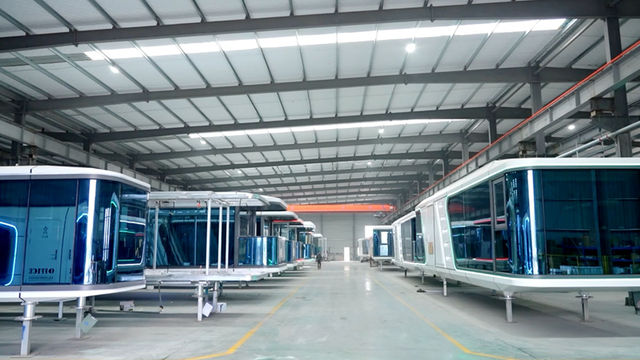
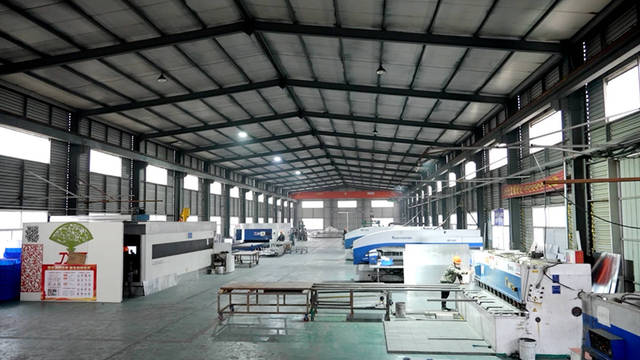
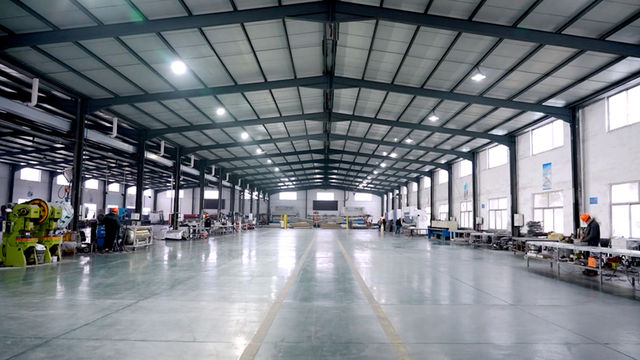
With strong investment in automation and precision manufacturing, Shupshy operates modern production lines featuring CNC cutting, robotic welding, and standardized module assembly. Its solutions are designed for quick installation, high durability, and flexible customization, enabling clients to efficiently deploy housing for urban development, workforce accommodation, hospitality, and public infrastructure.
Today, Ningbo Shupshy Container Co., Ltd. serves clients across Asia, Europe, the Middle East, and Africa. Committed to innovation, sustainability, and smart construction practices, the company continues to lead in modular integrated housing by providing reliable, cost-effective, and future-ready building solutions tailored to global project needs.
How automation, offsite fabrication, and sustainable energy convergence are redefining modern habitat structures.
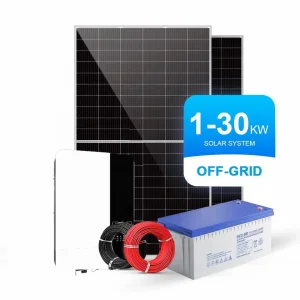
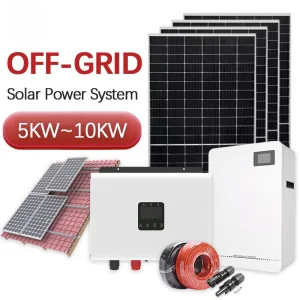
The convergence of structural frames with local power capture, such as integration of 6kw Off-Grid Solar Systems, enables modules to act as decentralized power plants, ensuring carbon neutrality and energy independence.
Design for Manufacture and Assembly (DfMA) ensures structural units are optimized for rapid deployment. Pre-fabricated, standardized building systems drastically reduce waste and accelerate on-site installation schedules.
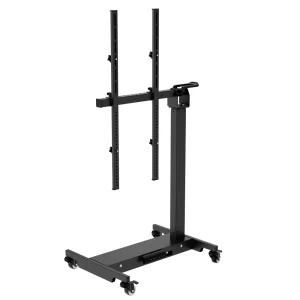
Smart living spaces are no longer just structural shells. They incorporate built-in environmental sensors, automated light therapy panel floor stands, air filtration, and intelligent antimicrobial millwork.
Key drivers behind international procurement: compliance, structural versatility, and life-cycle cost reduction.
B2B buyers, institutional developers, and municipal agencies face a shifting paradigm of regulatory requirements and localized labor shortages. Global procurement strategies are increasingly focusing on Offsite Construction to circumvent unpredictable local labor costs and volatile weather conditions.
Traditional site-cast concrete builds take months. Prefabricated modular spaces can shorten development cycles by up to 50%, enabling immediate revenue generation for hospitality, commercial, and residential developments.
Modern steel frame volumetric systems offer high structural resistance. Our apartments and workspace structures are engineered to handle high seismic activities and category-5 wind loads.
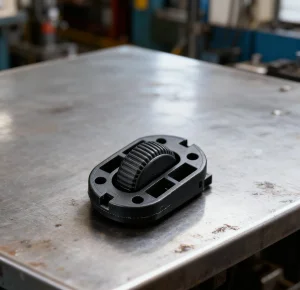
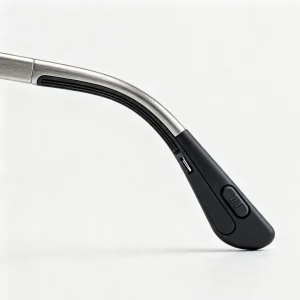
From custom PMMA injection moldings for smart eyewear components to custom light-gauge structural framing systems, suppliers must offer cross-industry engineering capabilities to meet precise client demands.
The manufacturing edge: robotics, materials science, and highly resilient raw material ecosystems.
At the core of Ningbo Shupshy Container Co., Ltd.’s success lies the deployment of Industry 4.0 manufacturing processes. By integrating automated robotic welding cells, high-precision laser cutters, and continuous digital inspection software, we maintain tolerances under 1mm across volumetric structures.
China’s supply chain resilience is rooted in deep vertical integration. From high-grade metallurgy for multi-story structural apartments to durable engineering plastic solutions, every element of the final module is sourced, fabricated, and quality-tested within a unified geographic cluster. This limits vulnerability to global logistics shocks, reduces raw material lead times, and guarantees predictable production schedules.
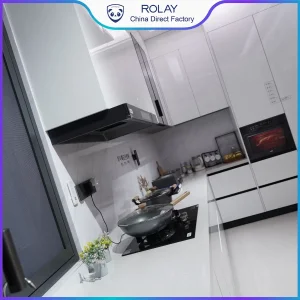
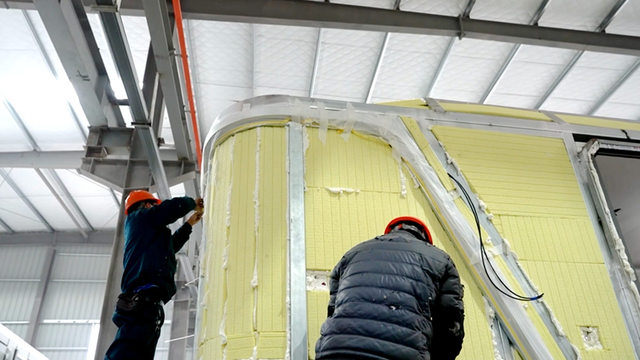
Furthermore, our facility’s ability to pre-integrate complex services—such as internal plumbing, electrical routing, turnkey kitchen cabinetry featuring antimicrobial protections, and acoustic glass curtain walls—results in modular packages that require minimal on-site connection work, saving hundreds of labor hours.
Versatile solutions across various commercial, institutional, and private sectors.
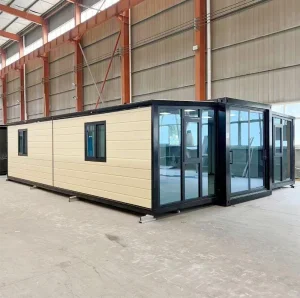
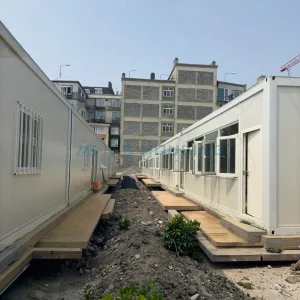
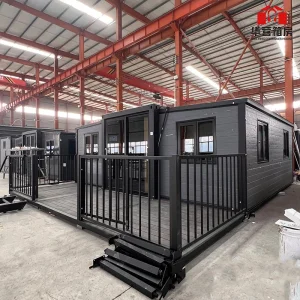
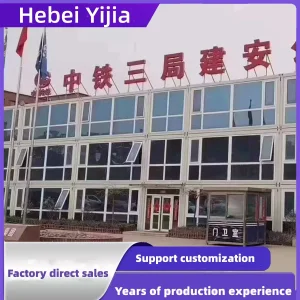
Modular containerized units and expandable flat-pack dormitories are ideal for mining operations, renewable energy projects, and major infrastructure sites, providing secure and climate-controlled living conditions.
Rapidly deployable volumetric hospital units and temporary emergency clinics can be assembled in a matter of days, complete with sanitary partitions and advanced insulation systems to handle medical-grade requirements.
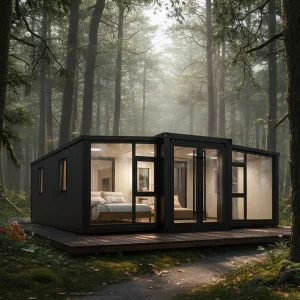
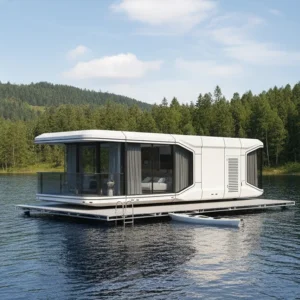
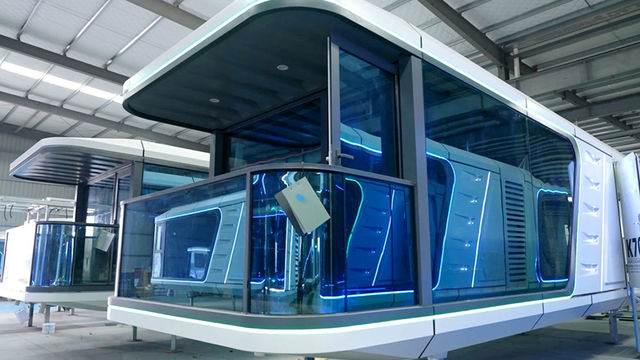
Unique, capsule-style accommodation structures and modern cabin units offer high aesthetic appeal and structural performance, enabling developers to build eco-friendly resorts without damaging natural terrains.
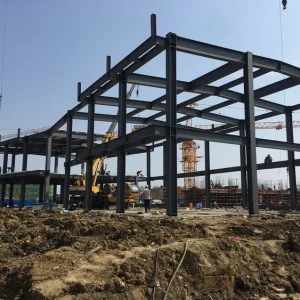
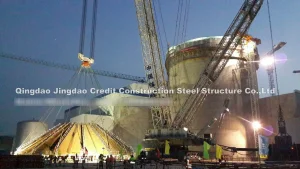
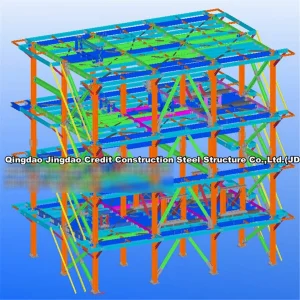
Light-steel structural frameworks allow for multi-story apartment complexes and commercial office spaces, providing structural safety, premium soundproofing glass curtain walls, and energy efficiency in high-density areas.
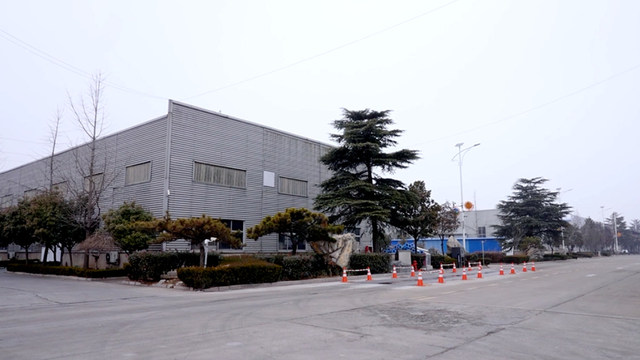
Visualizing our capability from state-of-the-art raw material fabrication to finished volumetric installations.
Technical guidance and insights concerning our OEM/ODM modular manufacturing process.
Engineered structural components and specialized materials designed for complex smart housing projects.
 Shupshy Container