Ningbo Shupshy Container Co., Ltd. is a forward-looking manufacturer specializing in advanced modular construction, positioned as a Modular Integrated Housing Manufacturer | Offsite Construction & Turnkey Building Solutions provider. The company focuses on delivering efficient, scalable, and fully integrated housing systems for residential, commercial, and industrial applications worldwide.
Founded in 2013 in Ningbo, China, Shupshy Container initially focused on the production of container-based structures for logistics and temporary facilities. Recognizing the rapid global shift toward offsite construction and modular integration, the company expanded its expertise into fully prefabricated housing systems. By 2017, it had developed a comprehensive portfolio of volumetric modular units, integrated container housing, and turnkey building solutions.
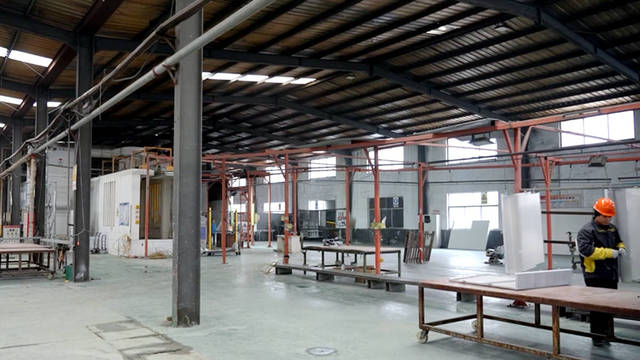
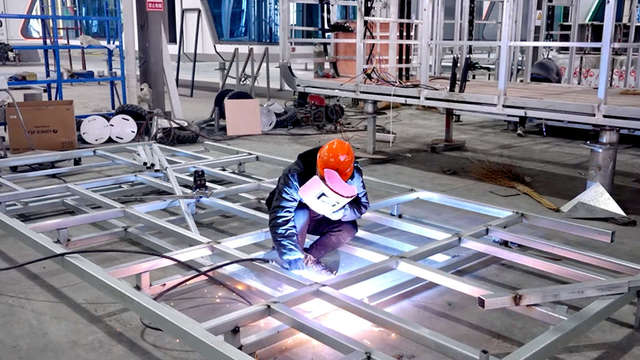
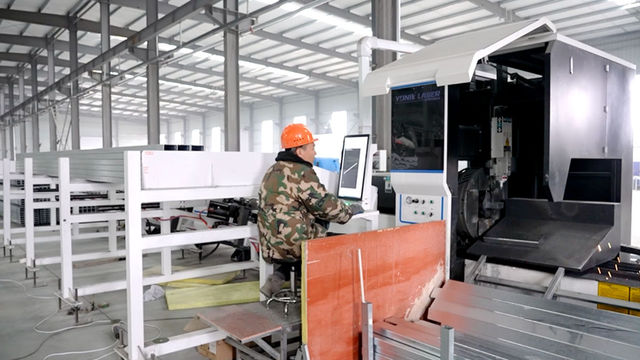
With strong investment in automation and precision manufacturing, Shupshy operates modern production lines featuring CNC cutting, robotic welding, and standardized module assembly. Its solutions are designed for quick installation, high durability, and flexible customization, enabling clients to efficiently deploy housing for urban development, workforce accommodation, hospitality, and public infrastructure.
Today, Ningbo Shupshy Container Co., Ltd. serves clients across Asia, Europe, the Middle East, and Africa. Committed to innovation, sustainability, and smart construction practices, the company continues to lead in modular integrated housing by providing reliable, cost-effective, and future-ready building solutions tailored to global project needs.
Explore our primary array of heavy-duty labor accommodations, multi-storey structures, and specialty sustainable capsules engineered for rapid site establishment.
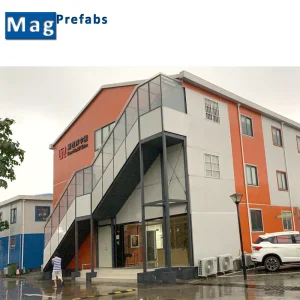
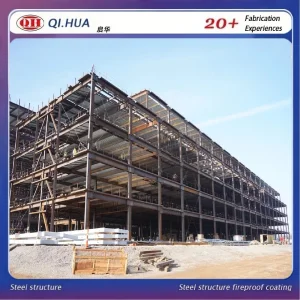
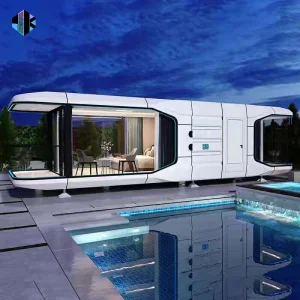
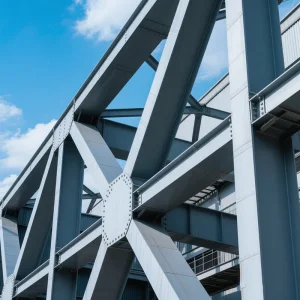
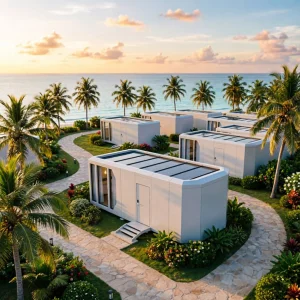
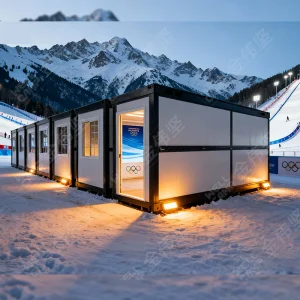
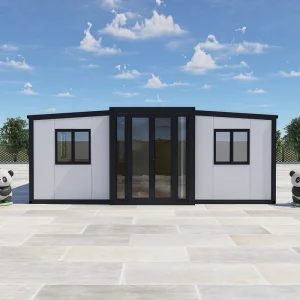
In the current macroeconomic environment, heavy industries—including oil & gas extraction, remote mining sites, offshore renewables, and major infrastructure corridors—face unprecedented pressure to establish secure, compliant, and highly functional human settlements rapidly. Modern workforce modular housing represents a massive shift from basic temporary shelters to highly sophisticated, structural-grade spaces.
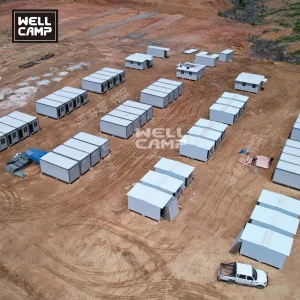
Workforce housing projects are frequently located in hyper-remote locations, ranging from the arid basins of Western Australia to the cold sub-arctic infrastructure belts in Northern Europe. Traditional brick-and-mortar masonry construction is entirely unfeasible in these zones due to the scarcity of local skilled masonry labor, severe seasonal weather windows, and high mobilization costs. Prefabricated volumetric systems designed and shipped as standardized flat-packs or complete 3D units allow organizations to assemble massive scale encampments in a fraction of the time.
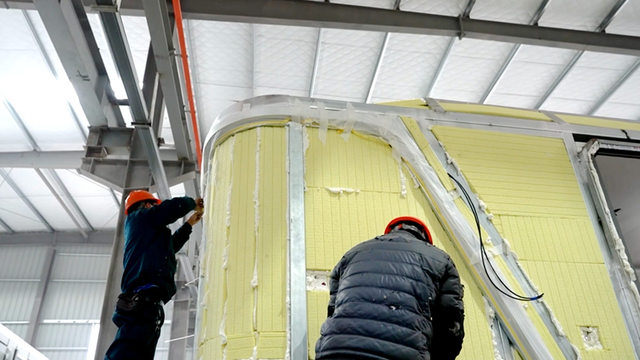
Environmental conditions require structure-specific load capacities. Modular buildings engineered by industry leaders undergo rigorous FEM (Finite Element Method) analysis to withstand intense atmospheric pressures. This includes design considerations for high wind loads (up to Category 5 cyclones), structural snow loading tolerances for sub-zero regions, and seismic structural elasticity. Mitigating structural vulnerabilities like thermal bridging is also a major focus, utilizing state-of-the-art sandwich panel systems utilizing PU (Polyurethane) and high-density rockwool cores.
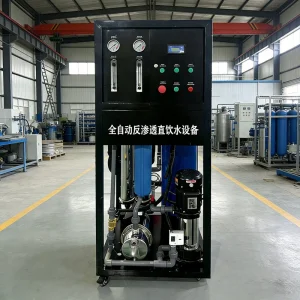
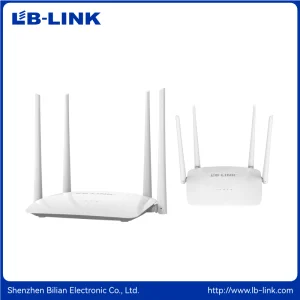
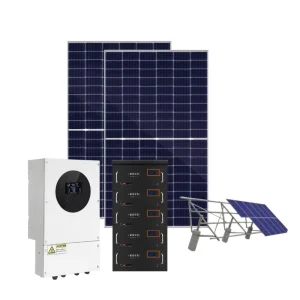
Modern accommodations are not merely structural shells. They are fully operational living quarters that must support life in environments that lack municipal infrastructure. This requires smart systems integration, including micro-grid off-grid solar generation networks, centralized reverse-osmosis (RO) water purification units to secure safe drinking water, localized waste management assemblies, and fully operational digital networking loops configured to ensure communication connectivity for the operations and management crews.
China remains the undisputed epicenter of volumetric modular housing production, driven by a convergence of advanced metallurgical clusters, highly automated assembly lines, and unmatched shipping access.
As showcased by the Ningbo Shupshy manufacturing ecosystem, Chinese factories operate at scales that compress production cycles by up to 50% compared to Western regional fabricators. By integrating CNC profiling lines, the structural steel chassis of each module is cut, punched, and welded to tolerances of less than 0.5mm. This extreme precision ensures that when thousands of modules arrive at the site, they align perfectly during vertical stack assembly.
Furthermore, local raw material vertical integration—from raw coil processing to custom PU sandwich panels and architectural finishes—enables cost structures that allow developers to achieve rapid payback on their infrastructure capital assets. Leveraging Ningbo's deep-water port logistics allows for efficient transport routing of complex containerized modular systems directly to major global development sites without intermediate transshipment delays.
Robotic welding networks eliminate human error variance, maintaining structural weld integrity across all loading points.
Hot-dip galvanized structural profiles (minimum 275g/m² zinc coating) coupled with marine-grade multi-layer epoxy coatings guarantee 30+ years lifespan.
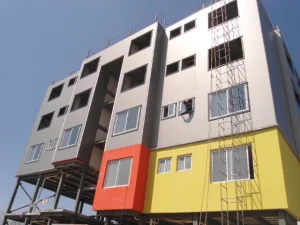
Heavy-gauge cold-formed steel frames engineered to support three-storey stack configurations without requiring additional external structural frameworks.
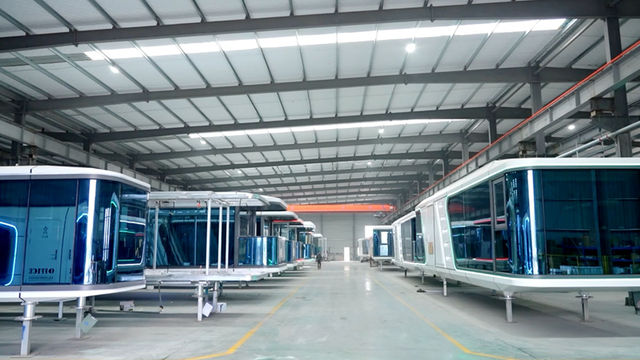
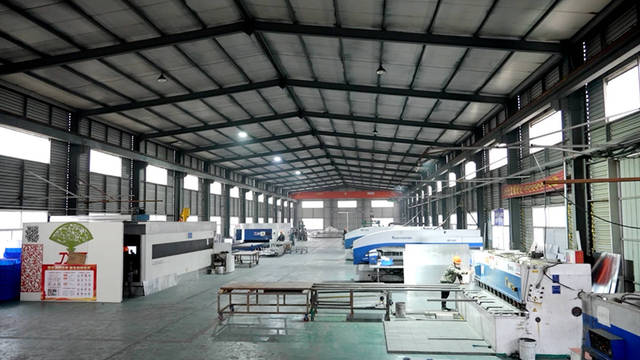
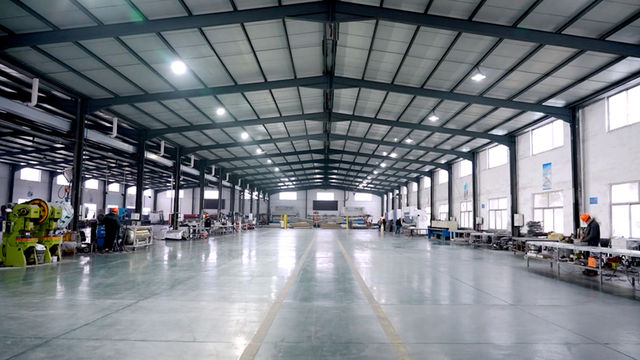
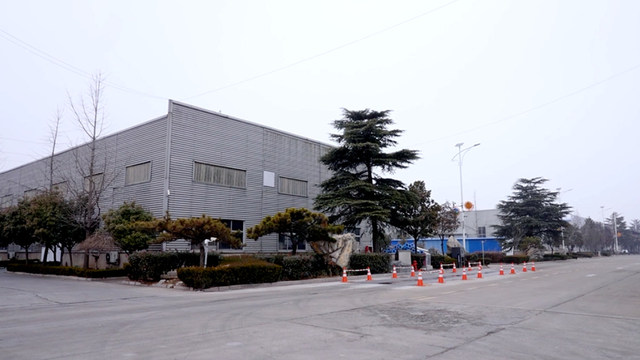
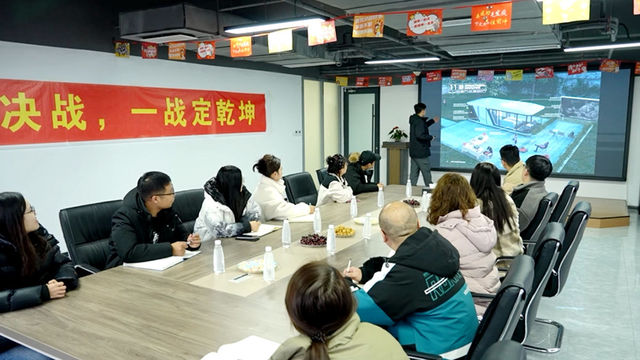
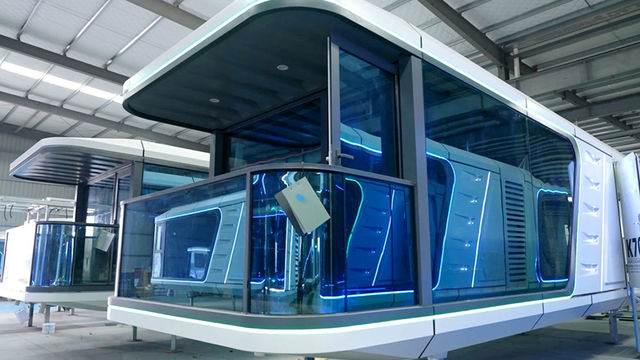
Every region presents unique operational demands. Our modular layouts are engineered specifically to adapt to these conditions on the ground.
In highly remote resource-rich areas (e.g. Western Australia, Northern Chile), workers require reliable, durable accommodations that are comfortable and support long-term stays. Our modular camp units integrate heavy-duty insulation, acoustic dampening between walls, and private en-suite shower zones, designed to keep employee morale and retention rates high during long rotations.
For construction companies managing large urban worksites, keeping logistics lean is critical. Stackable temporary complexes serve as site management offices, safety screening areas, and canteen zones. These units can be quickly relocated via flatbed trucks once the construction sequence transitions, providing a highly reusable capital asset.
In disaster response zones or healthcare expansions, rapid mobilization is vital. Rigid-frame modular structures can be set up within 72 hours of site leveling. Integrated layouts are designed for sterile washability and can be connected to central oxygen supply pipelines and negative-pressure HEPA filtration systems.
Global procurement directors evaluate modular assets on total cost of ownership (TCO), supply chain transparency, and international compliance certification.
To mitigate risk on capital projects exceeding $5M USD, procurement teams must ensure that modular suppliers can design structures to comply with localized building codes (e.g. AS/NZS 1170 for Oceania wind loading, Eurocode 3 for European structural steel compliance, and AISC standards for the Americas).
Logistical optimization is another critical cost driver. By utilizing optimized packing dimensions (e.g. SOC - Shippers Own Container configurations), transport costs can be significantly reduced. This allows for shipping components via standard ocean liners without the high freight costs associated with oversized breakbulk cargo.
Equally critical is on-site assembly complexity. A high-quality modular design minimizes on-site work by ensuring that interior wiring, plumbing, and wall fittings are pre-installed at the factory. This reduces the risk of expensive local labor overruns and project schedule slippage.
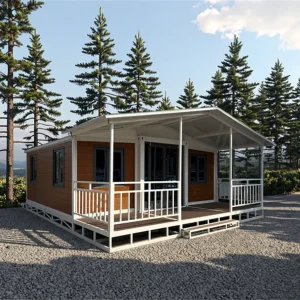
From structural steel skeletons for healthcare spaces to auxiliary off-grid solar generators and RO water purifiers, our complete line of modular housing systems ensures site independence.
Find technical answers on engineering specifications, structural performance, fire ratings, and global transport logistics.
Our heavy-duty volumetric structural steel frames are treated with hot-dip galvanization and a high-durability epoxy finish, providing a structural design life of 30 to 50 years under standard environmental conditions. Wear components like door seals and dynamic fixtures can be easily maintained or replaced during routine service intervals.
We utilize high-density polyurethane (PU) or rockwool sandwich wall panels, ranging from 50mm to 150mm thick, to meet strict U-value requirements. The joint profiles are designed with overlapping lock systems and UV-resistant EPDM gaskets, which prevent moisture infiltration even in regions with heavy, wind-driven rain.
Yes, our structures are engineered for vertical stack capability. The structural steel frames are designed to support up to 3 storeys without needing an external structural skeleton. For projects requiring taller high-rise profiles, we integrate secondary long-span hot-rolled structural steel frames.
Depending on the project design, shipping parameters, and on-site crane availability, we offer both flat-packed and fully pre-assembled volumetric configurations. Flat-packs are optimized to ship up to 4 units inside a standard 40ft High Cube container shipping space. Fully finished units, such as our capsule models, are shipped directly as finished structures and only require final utility connections on site.
Yes, our engineering team designs and runs MEP routing according to national electrical and plumbing standards (e.g. AS/NZS for Australia, CE/EN for Europe, and UL/UPC code configurations for North America). All electrical assemblies undergo factory inspection and insulation tests before dispatch.
 Shupshy Container