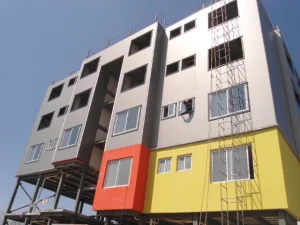
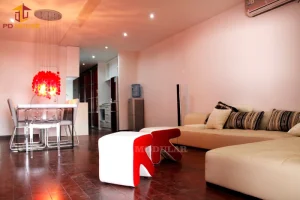
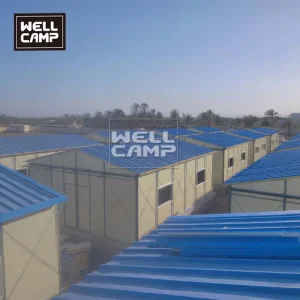
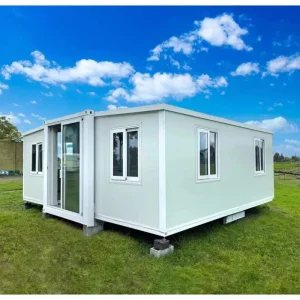
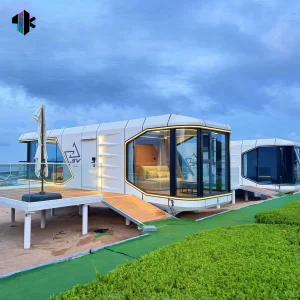
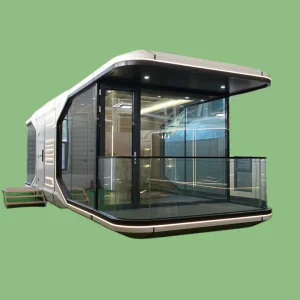
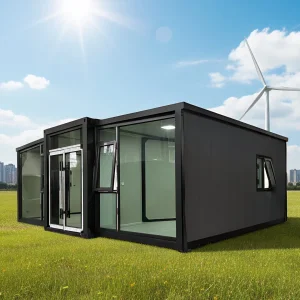
The global landscape of higher education is undergoing a paradigm shift. As universities face surging enrollment numbers and aging infrastructure, the demand for Top China Modular College Housing Suppliers has reached an all-time high. Modular construction, once viewed as a temporary fix, has evolved into a sophisticated, permanent solution that offers superior quality, sustainability, and speed compared to traditional "stick-built" methods.
In 2024 and beyond, the modular housing industry is defined by three core pillars: Sustainability, Digitalization, and Scalability. Universities are no longer just looking for beds; they are looking for "Smart Living Ecosystems." This includes the integration of IoT for energy management, high-performance thermal envelopes, and flexible interior layouts that can adapt to changing student needs.
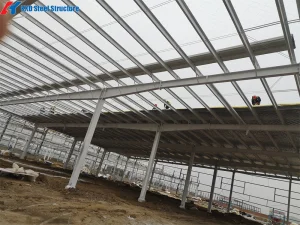
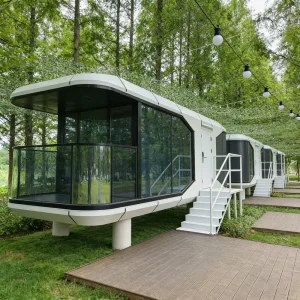
China has emerged as the global epicenter for this manufacturing revolution. By leveraging advanced supply chains and robotic precision, Chinese suppliers are providing Volumetric Modular Units that meet rigorous international standards such as the IBC (International Building Code) and Eurocodes. The shift toward offsite construction allows for site preparation and module fabrication to occur simultaneously, drastically shortening the project lifecycle.
From initial architectural design to final onsite assembly, we provide a seamless "Plug & Play" experience for global developers.
Our modules utilize recyclable steel and eco-friendly insulation, helping institutions meet their carbon neutrality goals.
Whether it's a 50-bed dormitory or a 5,000-student campus, our modular systems scale effortlessly to meet demand.
Procurement officers at major universities and private student housing developers prioritize Reliability and Total Cost of Ownership (TCO). When sourcing from a China Modular College Housing Supplier, the focus is on quality assurance protocols. Our manufacturing process involves multi-stage inspections, ensuring that every module arriving at the port is ready for immediate installation, reducing local labor costs which are often the highest variable in construction budgets.
The future of modular college housing lies in BIM (Building Information Modeling) Level 3 integration. By creating a "Digital Twin" of every housing unit, we can predict maintenance needs, optimize energy consumption, and ensure that every component is tracked throughout its lifecycle.
We are also pioneering the use of Hybrid Modular Systems, combining light steel frames with sustainable timber or high-performance composites. This not only improves the aesthetic appeal of student residences but also enhances acoustic performance—a critical factor in high-density student living environments.
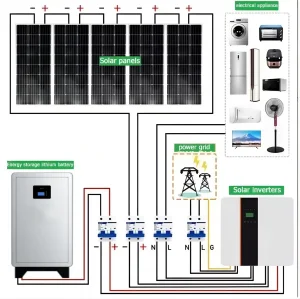
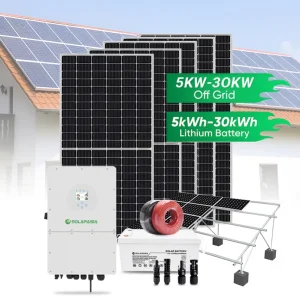
Looking ahead, the integration of Renewable Energy Systems (as seen in our solar-integrated modules) will become the standard. Modular units will act as decentralized power plants, contributing energy back to the campus grid.
Ningbo Shupshy Container Co., Ltd. is a forward-looking manufacturer specializing in advanced modular construction, positioned as a Modular Integrated Housing Manufacturer | Offsite Construction & Turnkey Building Solutions provider. The company focuses on delivering efficient, scalable, and fully integrated housing systems for residential, commercial, and industrial applications worldwide.
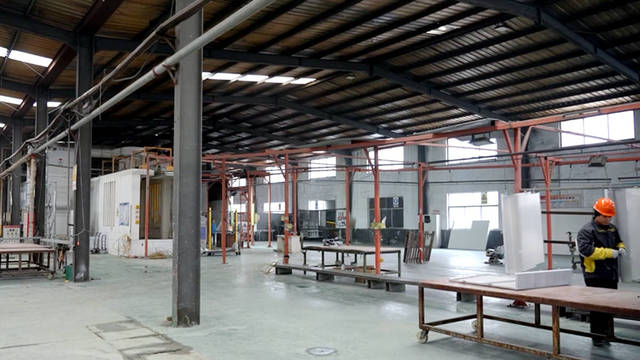
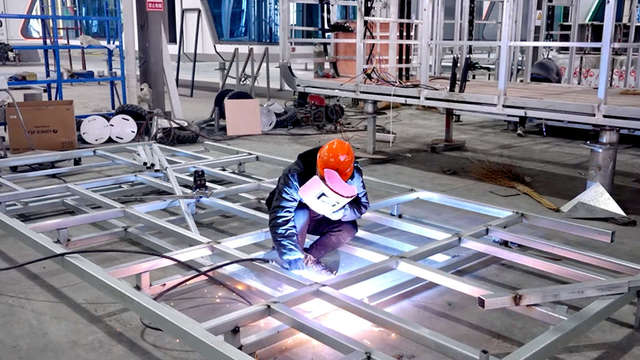
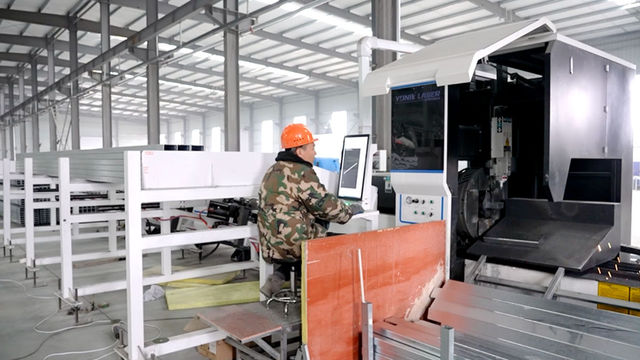
Founded in 2013 in Ningbo, China, Shupshy Container initially focused on the production of container-based structures for logistics and temporary facilities. Recognizing the rapid global shift toward offsite construction and modular integration, the company expanded its expertise into fully prefabricated housing systems. By 2017, it had developed a comprehensive portfolio of volumetric modular units, integrated container housing, and turnkey building solutions.
With strong investment in automation and precision manufacturing, Shupshy operates modern production lines featuring CNC cutting, robotic welding, and standardized module assembly. Its solutions are designed for quick installation, high durability, and flexible customization, enabling clients to efficiently deploy housing for urban development, workforce accommodation, hospitality, and public infrastructure.
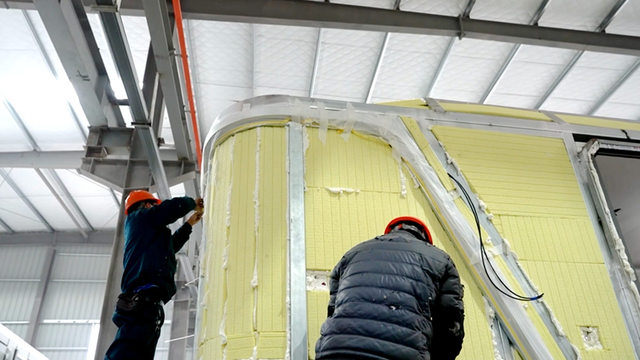
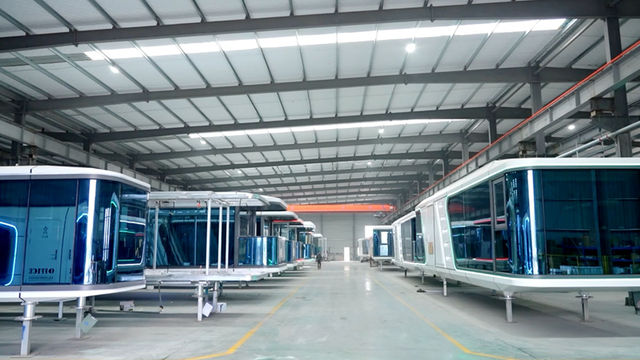
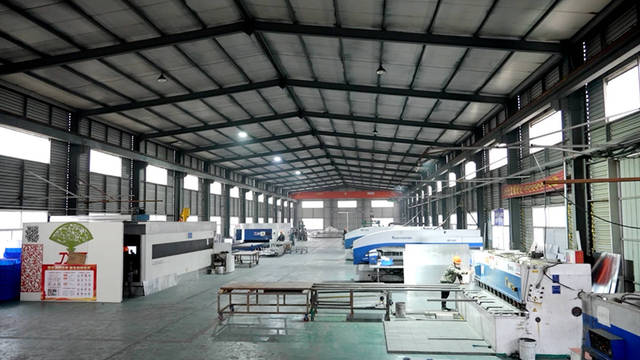
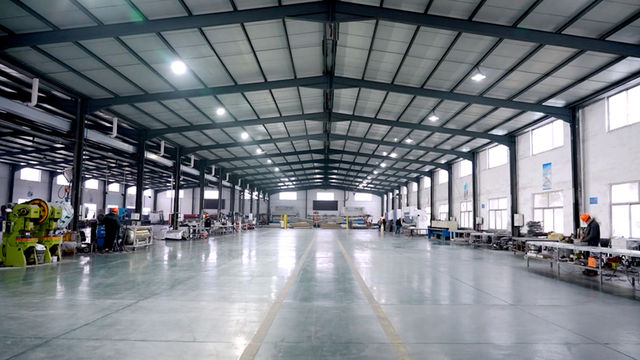
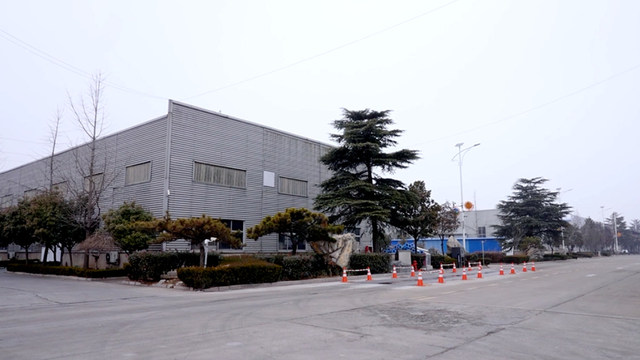
Today, Ningbo Shupshy Container Co., Ltd. serves clients across Asia, Europe, the Middle East, and Africa. Committed to innovation, sustainability, and smart construction practices, the company continues to lead in modular integrated housing by providing reliable, cost-effective, and future-ready building solutions tailored to global project needs.
 Shupshy Container