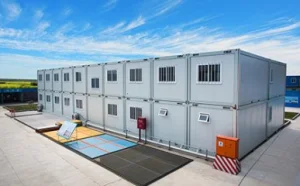
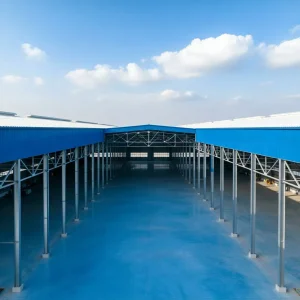
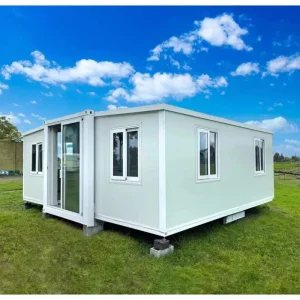
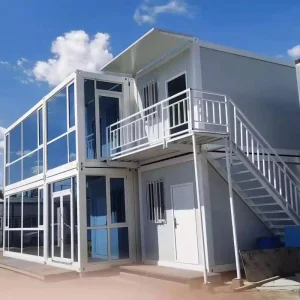
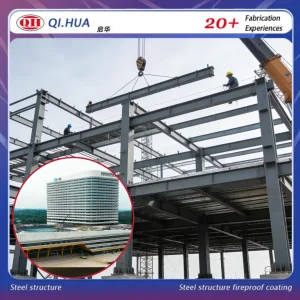
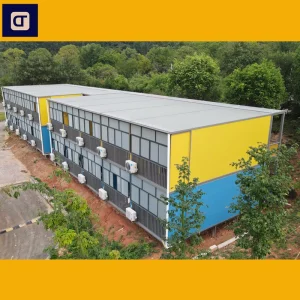
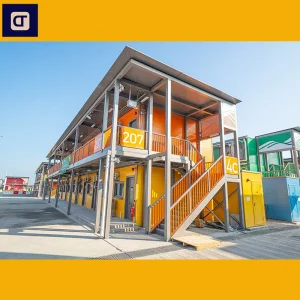
The global construction industry is undergoing a paradigm shift. As traditional building methods face mounting challenges—including skilled labor shortages, rising material costs, and increasingly stringent environmental regulations—High-Efficiency Modular Buildings have emerged as the primary solution for future-ready infrastructure. From the bustling urban centers of North America to the emerging industrial hubs of the Middle East, modular construction is no longer just a "temporary" alternative; it is a sophisticated, tech-driven methodology that ensures scalability and speed.
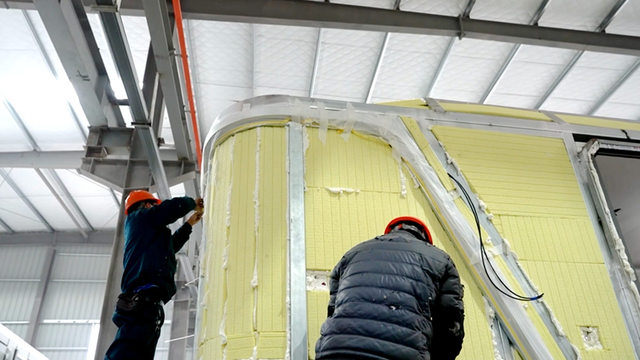
Today, modular building systems account for a significant share of the commercial real estate market. According to recent industry reports, the global modular construction market is expected to grow at a CAGR of over 7.5% through 2030. This growth is driven by the demand for "Volumetric Modular Construction," where entire sections of a building are completed in a factory setting, including plumbing, electrical work, and interior finishes, before being transported to the site. This approach reduces onsite construction time by up to 50% and minimizes waste by 30%.
China has established itself as the epicenter of modular innovation. As a top High-Efficiency Modular Buildings Manufacturer, the Chinese industrial ecosystem provides unparalleled advantages that Western competitors struggle to match. The core of this efficiency lies in Integrated Supply Chains and Advanced Robotics.
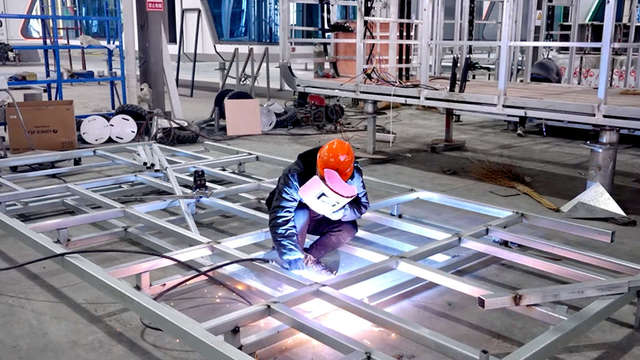
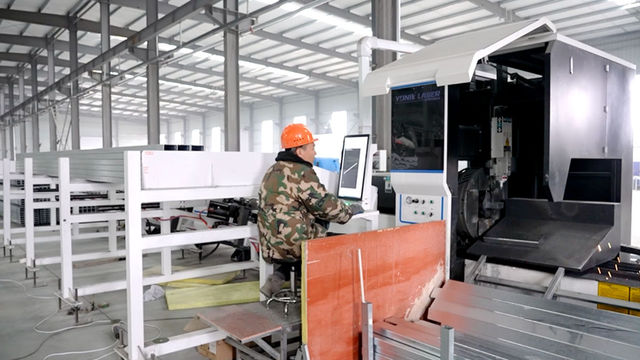
Automated CNC cutting and robotic welding ensure structural tolerances within millimeters, crucial for high-rise modular stacking.
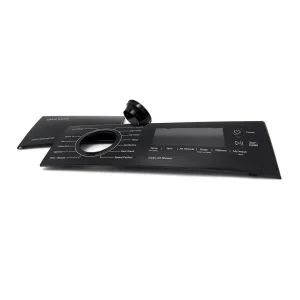
From raw steel processing to final IML & IMD smart home interface production, everything happens within a centralized industrial cluster.
Based in Ningbo, companies like Shupshy leverage one of the world's largest ports to provide seamless global distribution of flat-pack and volumetric units.
Ningbo Shupshy Container Co., Ltd. exemplifies this Chinese advantage. Founded in 2013, the company transitioned from standard shipping containers to advanced Modular Integrated Housing. By utilizing offsite construction, Shupshy delivers turnkey building solutions that meet European and American structural codes, proving that "Made in China" now signifies "Precision Engineering."
High-efficiency modular units are highly adaptable. Their application depends on the specific socioeconomic needs of the region:
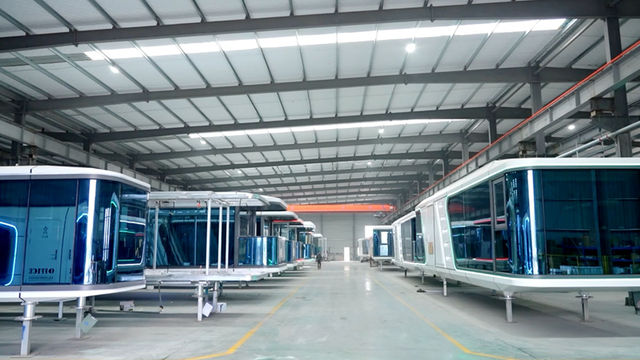
The industry is moving toward Circular Economy principles. Modular buildings are being designed for "Deconstruction" rather than "Demolition." This allows modules to be refurbished and relocated, significantly increasing the lifecycle value of the asset. Furthermore, the integration of Smart Home Interfaces (IML/IMD) is becoming standard, allowing modular units to be managed via centralized IoT systems for energy efficiency and security.
When sourcing from a China Modular Buildings Supplier, international buyers focus on three pillars of E-E-A-T (Experience, Expertise, Authoritativeness, and Trustworthiness):
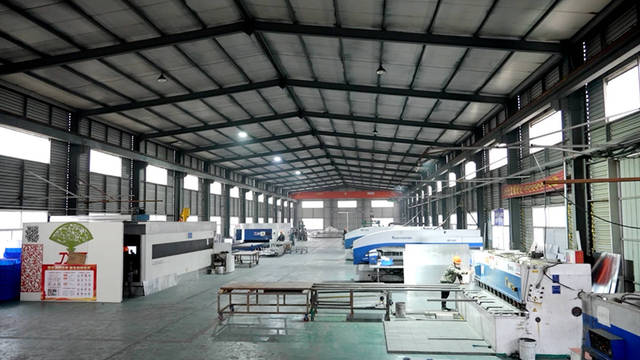
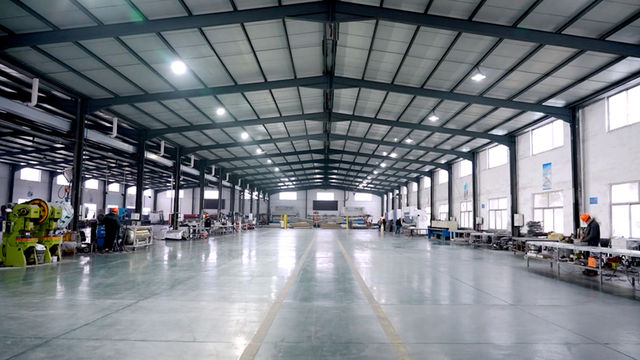
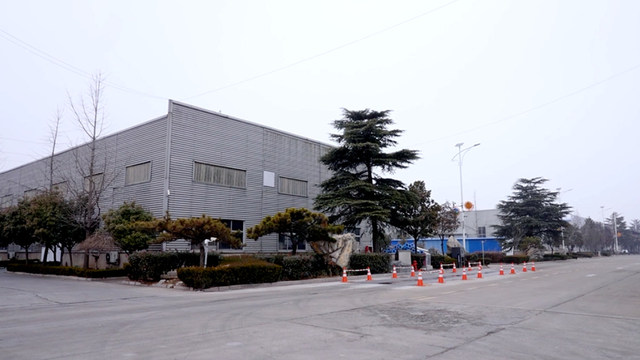
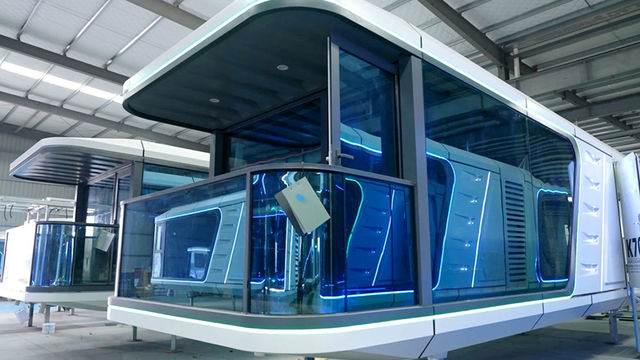
Ningbo Shupshy Container Co., Ltd. is a forward-looking manufacturer specializing in advanced modular construction, positioned as a Modular Integrated Housing Manufacturer | Offsite Construction & Turnkey Building Solutions provider. The company focuses on delivering efficient, scalable, and fully integrated housing systems for residential, commercial, and industrial applications worldwide.
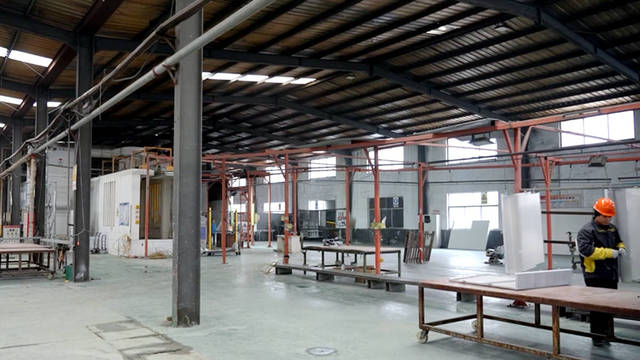
Founded in 2013 in Ningbo, China, Shupshy Container initially focused on the production of container-based structures for logistics and temporary facilities. Recognizing the rapid global shift toward offsite construction and modular integration, the company expanded its expertise into fully prefabricated housing systems. By 2017, it had developed a comprehensive portfolio of volumetric modular units, integrated container housing, and turnkey building solutions. With strong investment in automation and precision manufacturing, Shupshy operates modern production lines featuring CNC cutting, robotic welding, and standardized module assembly.
 Shupshy Container