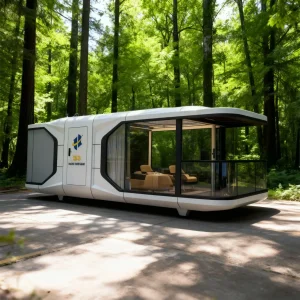
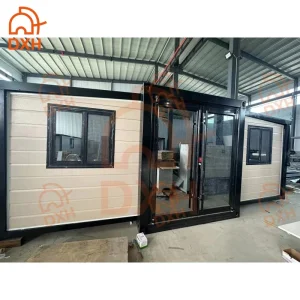
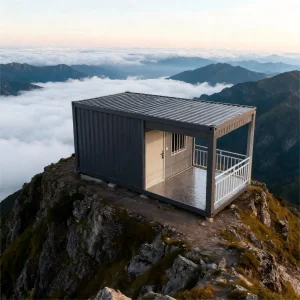
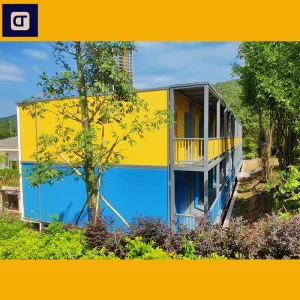
In the contemporary landscape of global construction, the shift from traditional "onsite" methods to Offsite Manufacturing (OSM) represents the most significant paradigm shift since the Industrial Revolution. As a leading CE Certified Custom Modular Homes Supplier, Ningbo Shupshy Container Co., Ltd. is at the forefront of this transformation. This document explores the technical depth, economic advantages, and strategic applications of modular systems in a volatile global economy.
Ningbo Shupshy Container Co., Ltd. is a forward-looking manufacturer specializing in advanced modular construction, positioned as a Modular Integrated Housing Manufacturer | Offsite Construction & Turnkey Building Solutions provider. Founded in 2013 in Ningbo, China, Shupshy initially focused on container-based structures for logistics. By 2017, recognizing the rapid global shift toward modular integration, the company expanded into fully prefabricated housing systems, volumetric modular units, and turnkey building solutions.
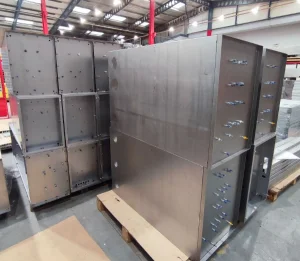
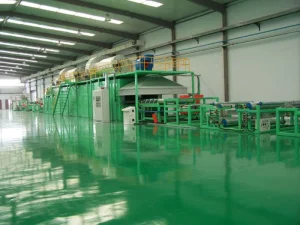
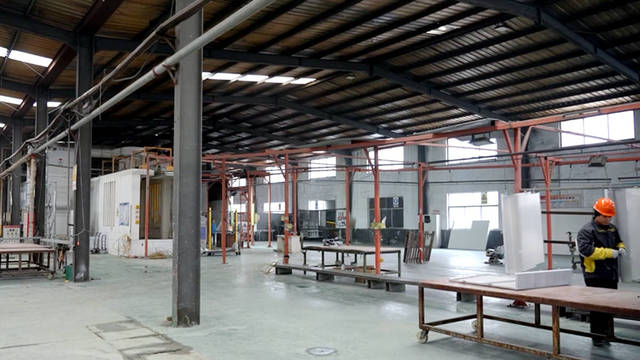
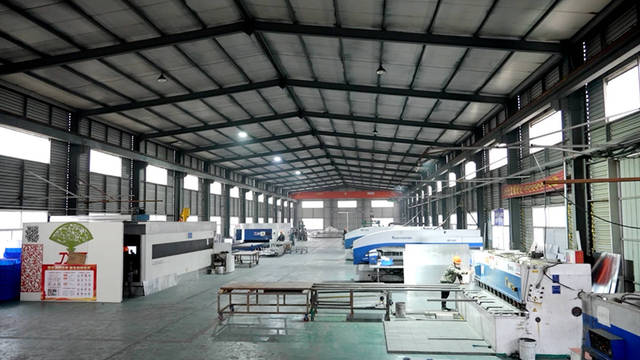
Utilizing high-precision CNC cutting and robotic welding, Shupshy ensures a tolerance level of less than 2mm across volumetric modules, crucial for high-rise modular stacking and structural integrity.
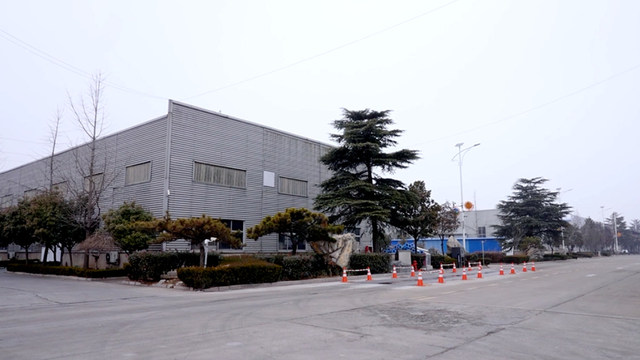
Located in Ningbo, one of the world's busiest ports, we provide unparalleled logistics efficiency. Our integration with local steel and polymer suppliers allows for significant cost-to-value optimization.
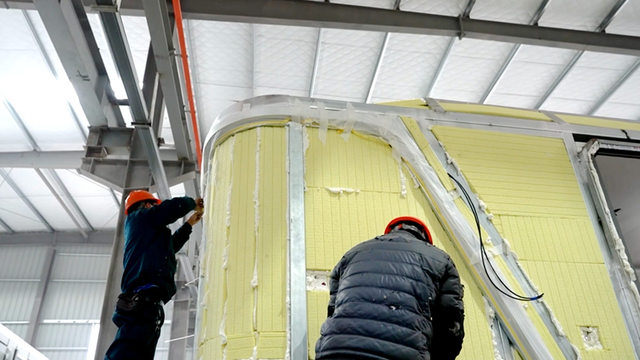
From thermally broken aluminum frames to fireproof PVC composites, our materials are selected for R-value performance, seismic resistance, and extreme weather durability.
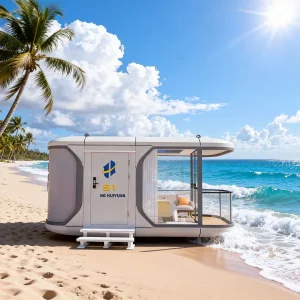
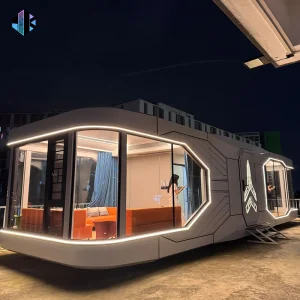
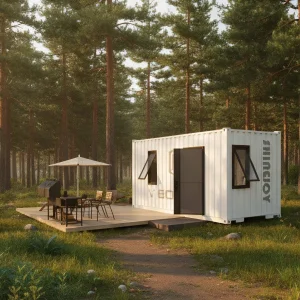
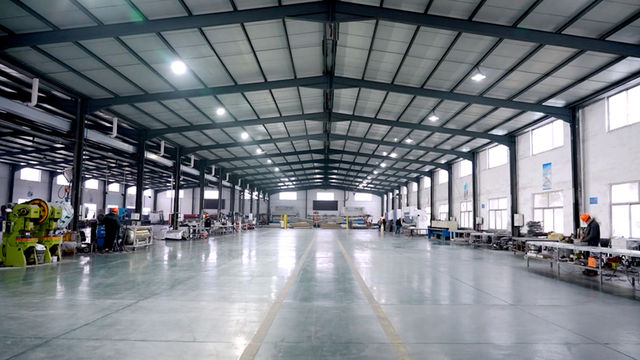
Our standardized assembly lines allow for the rapid prototyping and mass production of 40FT expandable houses and mobile warehouses, meeting urgent infrastructure needs.
The global modular construction market is projected to reach USD 120 billion by 2030. Key drivers include the ESG (Environmental, Social, and Governance) mandates and the global labor shortage in traditional trades. Our research highlights three critical trends:
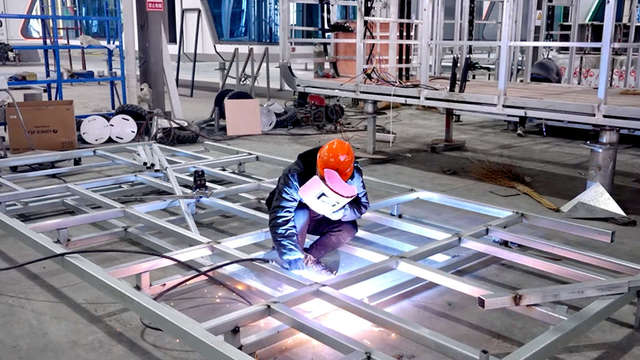
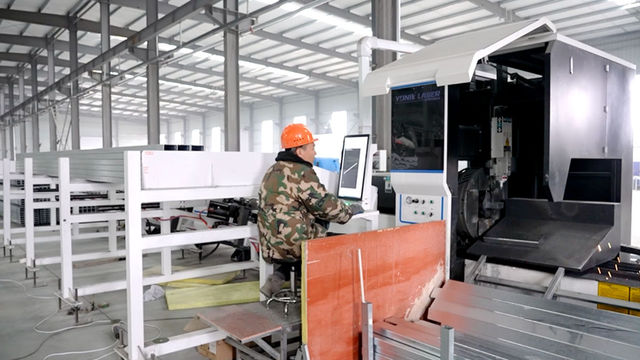
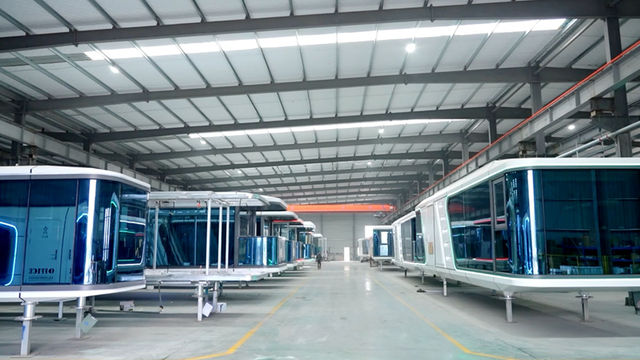
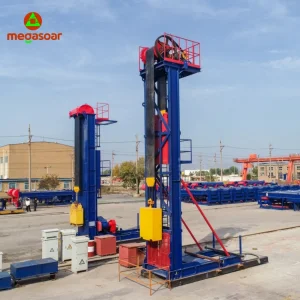
Deploying relocatable housing and quick-install warehouses for remote mining operations or onshore oil fields, utilizing belt pumping units and modular support structures.
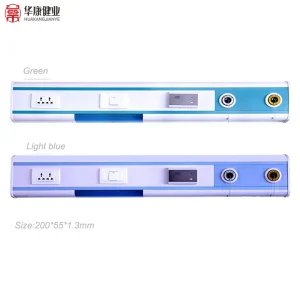
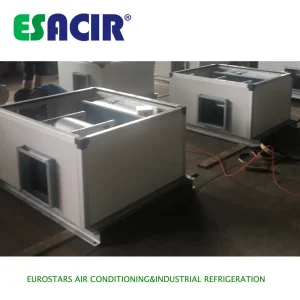
Modular AHU (Air Handling Units) and specialized bed head unit systems for rapid-response field hospitals and integrated medical clinics.
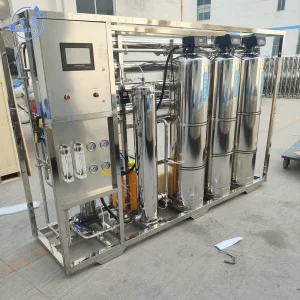
Deployable RO (Reverse Osmosis) water treatment systems and fireproof PVC housing units providing immediate sanitation and shelter in crisis zones.
European Conformity (CE) is not just a label; for modular homes, it signifies rigorous testing in structural mechanical resistance, thermal insulation, and fire safety. Our 40FT expandable units undergo rigorous stress tests to ensure they withstand wind loads up to 120km/h and seismic activity up to Magnitude 8.
Furthermore, our use of EVA, XPE, and XLPE foaming machinery allows us to produce cross-linked foam insulation that offers superior moisture barrier properties compared to traditional fiberglass, ensuring our homes remain dry and energy-efficient in humid coastal or frigid mountain climates.
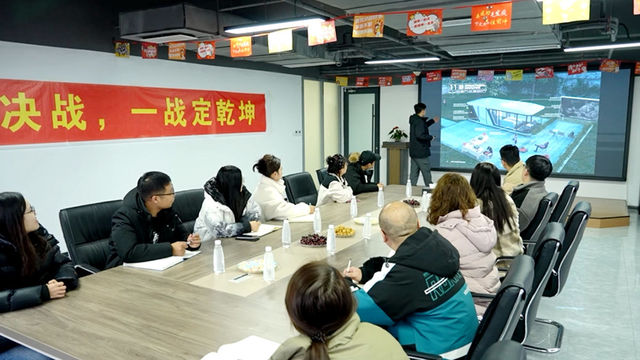
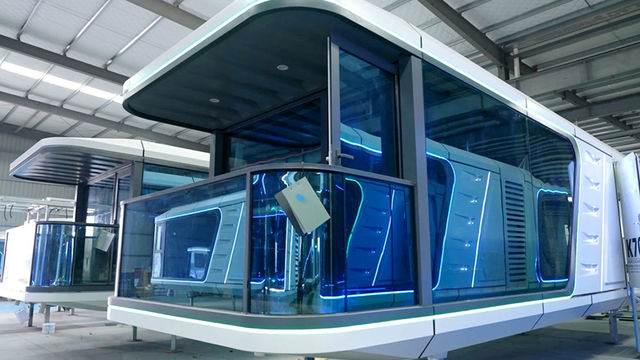
International B2B buyers today prioritize Turnkey Solutions. Shupshy addresses this by providing "Plug-and-Play" modules. Whether it's a modular container apartment building for workforce accommodation in the Middle East or an eco-friendly recreation room for a seaside holiday home in Europe, our units arrive 90% pre-installed with electrical, plumbing, and HVAC systems.
From raw steel inspection to final volumetric testing, every unit undergoes a 50-point checklist before export.
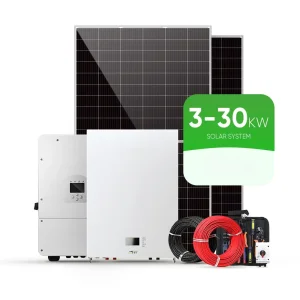
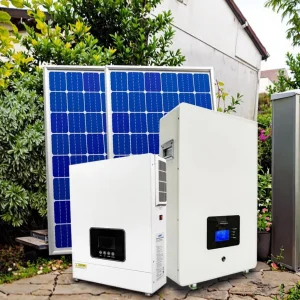
Our 6kw solar systems and low-VOC materials help developers meet international green building certifications (LEED/BREEAM).
CE certification ensures the home meets European health, safety, and environmental protection standards. This is vital for legal compliance, insurance eligibility, and resale value in global markets.
Typically, a 20FT or 40FT expandable house can be deployed and fully operational within 2-4 hours once on-site, provided the foundation is ready.
Yes, we use thermally broken frames and high-density insulation (PVC/XPE). Our units are designed to operate efficiently in temperatures ranging from -40°C to +50°C.
Absolutely. We offer 6kw off-grid solar panel systems specifically designed to integrate with our modular roofs, providing enough energy for lighting, appliances, and HVAC.
Yes. Factory production reduces material waste by 30%, and the precision of offsite construction improves thermal efficiency, lowering long-term carbon footprints.
With standard maintenance, our structural steel and aluminum alloy housings are engineered for a service life of 25 to 50 years.
 Shupshy Container