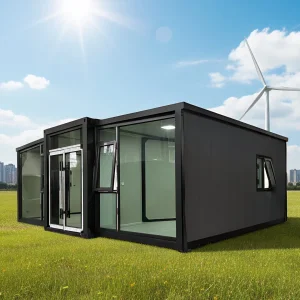
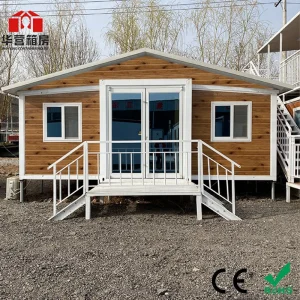
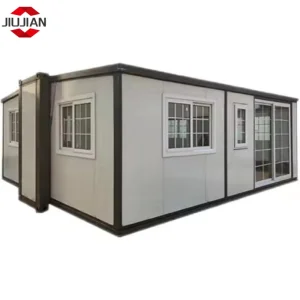
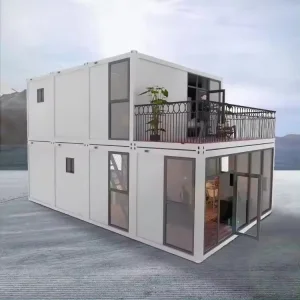
Immediate offshore procurement solutions designed to meet the strict marine climate compliance of Tarawa, Kiritimati, and the wider Gilbert Islands chain.
Kiribati, a nation consisting of 32 low-lying coral atolls and one raised limestone island, stands at the absolute forefront of global climate change adaptation. With an average elevation of less than two meters above sea level, the infrastructure dynamics of this Pacific Island nation require a total departure from traditional heavy concrete and timber building methodologies. Conventional "wet" construction is heavily constrained in Kiribati due to the critical scarcity of fresh water for mixing concrete and the environmental fragility of local coral sands, which must not be mined for aggregate.
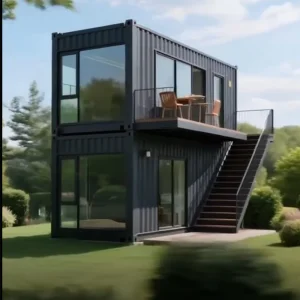
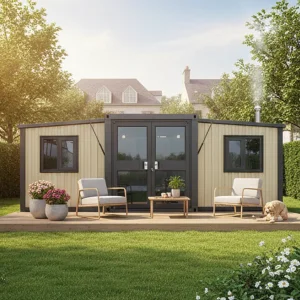
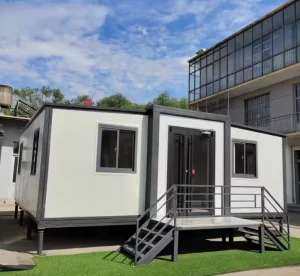
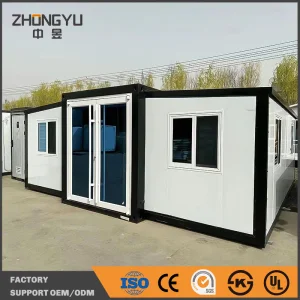
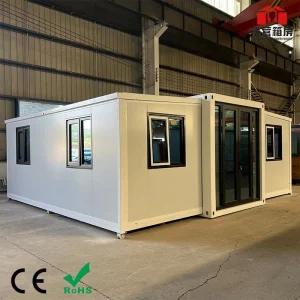
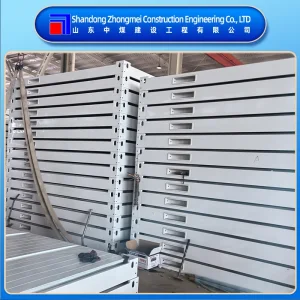
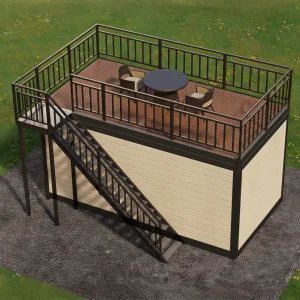
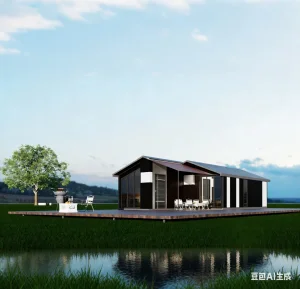
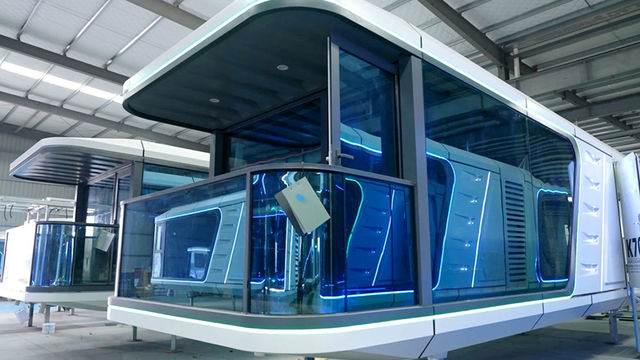
This is where Integrated Steel Modular Homes serve as an indispensable technological breakthrough. Engineered offsite under factory-controlled conditions, these volumetric structures utilize high-tensile structural steel frames designed to withstand intense maritime winds (up to wind regions category C and D under Australia/New Zealand standards). More importantly, modular construction completely bypasses the need for intensive local natural resources, offering an eco-friendly footprint that preserves Kiribati's delicate freshwater lens.
The ultimate guide to materials engineered specifically to combat humidity, salinity, and intense UV exposure typical of the central Pacific ocean.
Our homes feature light-gauge steel framing (LGSF) and heavy hot-rolled steel structures designed with Q355B and G550 structural grades. These frames undergo double-pass hot-dip galvanization to ensure complete immunity to atmospheric salt-spray degradation.
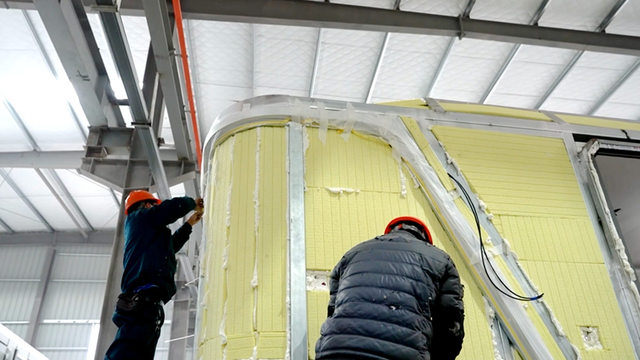
Equatorial heat requires maximum insulation efficiency. We integrate premium polyurethane (PU) and polyisocyanurate (PIR) cores into our modular wall systems, providing superior thermal protection and reducing active cooling costs by up to 45% compared to masonry.
Utilizing high-density, multi-layered polyurethane moisture barriers alongside specialized EPDM flashing systems to prevent heavy tropical storm run-off and humidity penetration in high-humidity zones like South Tarawa.
Ningbo Shupshy Container Co., Ltd. is a forward-looking manufacturer specializing in advanced modular construction, positioned as a Modular Integrated Housing Manufacturer | Offsite Construction & Turnkey Building Solutions provider. The company focuses on delivering efficient, scalable, and fully integrated housing systems for residential, commercial, and industrial applications worldwide.
Founded in 2013 in Ningbo, China, Shupshy Container initially focused on the production of container-based structures for logistics and temporary facilities. Recognizing the rapid global shift toward offsite construction and modular integration, the company expanded its expertise into fully prefabricated housing systems. By 2017, it had developed a comprehensive portfolio of volumetric modular units, integrated container housing, and turnkey building solutions.
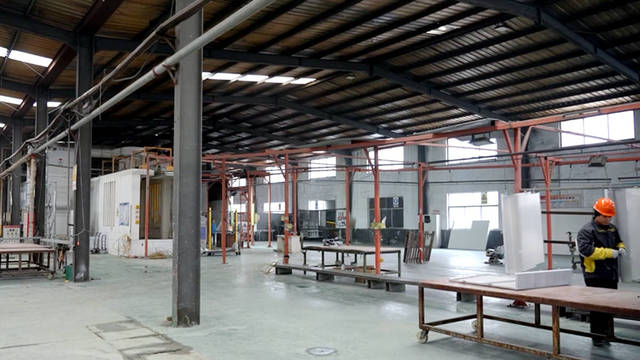
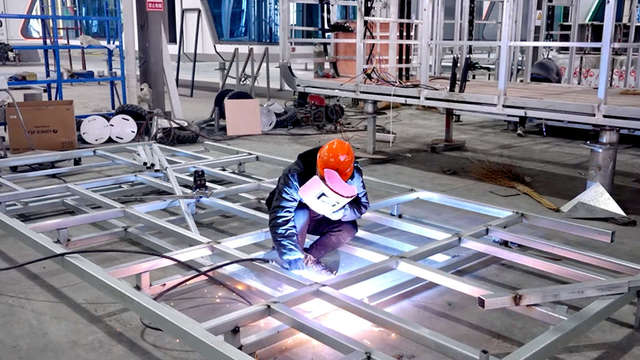
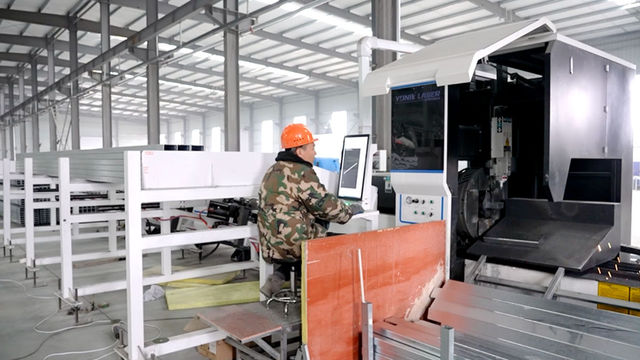
With strong investment in automation and precision manufacturing, Shupshy operates modern production lines featuring CNC cutting, robotic welding, and standardized module assembly. Its solutions are designed for quick installation, high durability, and flexible customization, enabling clients to efficiently deploy housing for urban development, workforce accommodation, hospitality, and public infrastructure.
Today, Ningbo Shupshy Container Co., Ltd. serves clients across Asia, Europe, the Middle East, and Africa. Committed to innovation, sustainability, and smart construction practices, the company continues to lead in modular integrated housing by providing reliable, cost-effective, and future-ready building solutions tailored to global project needs.
Shipping modular homes to Pacific nations requires meticulous logistical planning. Being situated right next to Ningbo Port, Shupshy leverages direct sea freight pathways to Oceania.
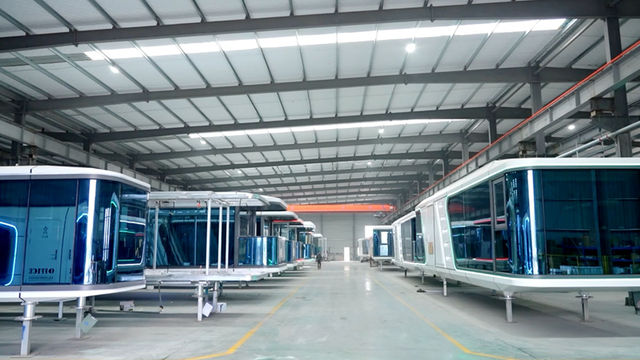
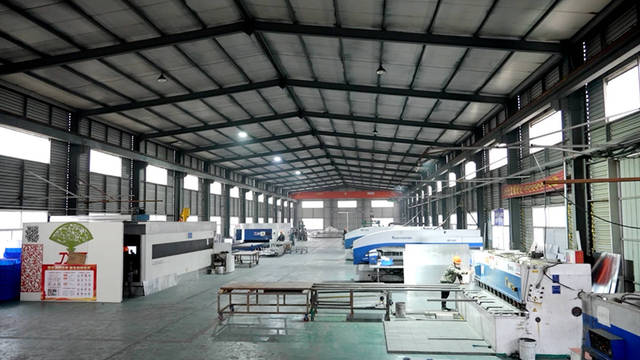
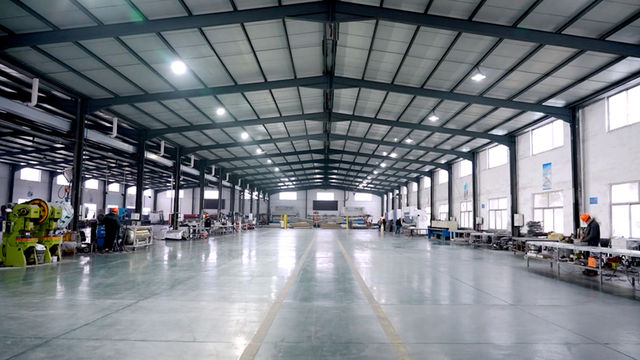
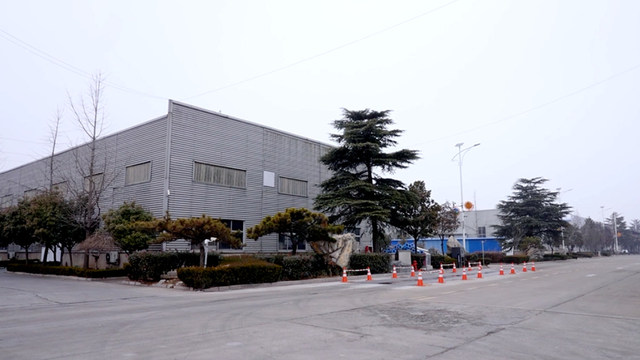
Essential questions answered by our structural engineering and export department regarding modular building implementation in Kiribati.
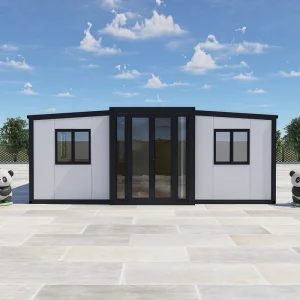
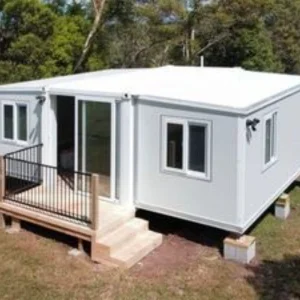
Discover our comprehensive range of custom expandable cabins, prefabricated villas, and modular housing solutions suitable for coastal developments.
 Shupshy Container