The global construction landscape is undergoing a seismic shift. As traditional building methods face challenges such as rising labor costs, material waste, and extended timelines, Integrated Modular Housing Solutions have emerged as the definitive answer for the 21st century. This industry, once reserved for temporary site offices, has evolved into a sophisticated sector capable of delivering high-end residential skyscrapers, luxury eco-resorts, and complex medical facilities.
In developed economies like the UK, USA, and Australia, modular housing is being integrated into urban planning to combat housing shortages. Meanwhile, in rapidly developing regions across Southeast Asia and Africa, integrated modular systems provide the speed necessary to keep pace with explosive urbanization. The "Integrated" aspect refers to the seamless fusion of structural integrity, MEP (Mechanical, Electrical, Plumbing) systems, and interior finishing—all completed within a controlled factory environment before reaching the site.
The industry is no longer just about "boxes." We are seeing a convergence of technology and architecture that is redefining what a "factory-built home" looks like. Key trends include:
Modern modular units are now "born smart," featuring integrated IoT sensors, automated climate control, and energy management systems pre-installed during the assembly phase.
There is a massive shift toward "Green Modular." Using recyclable steel, cross-laminated timber (CLT), and high-performance insulation to achieve Net-Zero energy ratings.
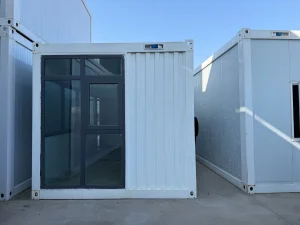
Moving beyond flat-packs, volumetric modular construction allows for 95% of a building to be finished in the factory, including bathrooms, kitchens, and even furniture.
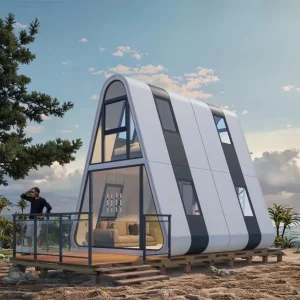
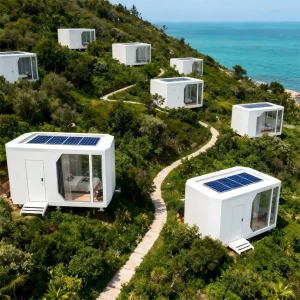
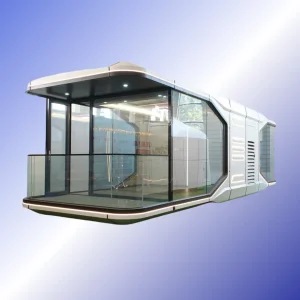
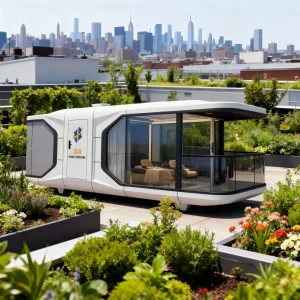
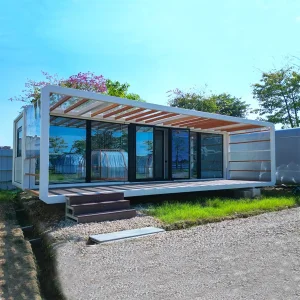
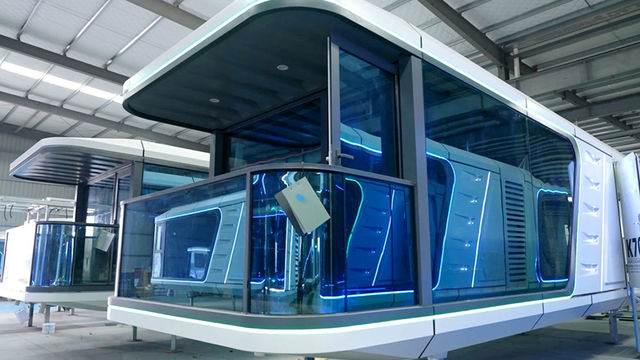
Furthermore, the rise of Space Pods and Capsule Houses reflects a trend toward "Nomadic Living" and "Glamping," where high-tech, portable luxury units are placed in remote, scenic locations without the environmental footprint of traditional foundations.
International buyers—ranging from government housing authorities to private real estate developers—have specific, rigorous requirements when sourcing from China. Reliability and compliance are at the forefront of these demands.
Integrated modular housing is incredibly versatile. Here is how our solutions are being applied across the globe:
In crowded cities like Hong Kong or New York, modular units are used to build vertical apartments on small plots, minimizing neighborhood disruption.
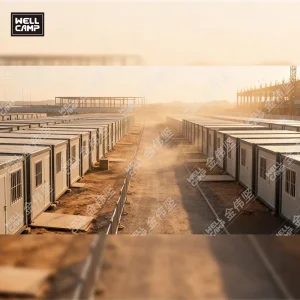
Mining and oil & gas operations in Australia or Africa utilize stackable container houses to provide high-quality living quarters for thousands of workers in weeks.
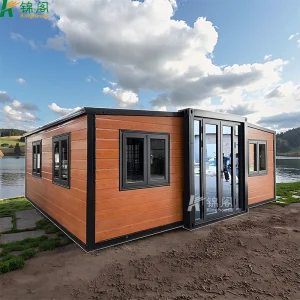
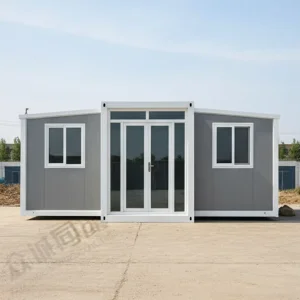
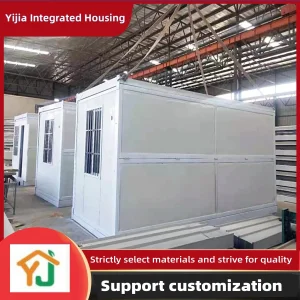
Folding container houses can be deployed via air or sea to disaster zones, providing immediate, dignified shelter that is far superior to traditional tents.
The "Apple Cabin" and "Space Pod" designs are perfect for boutique hotels in forests or mountains, offering a futuristic aesthetic that attracts modern travelers.
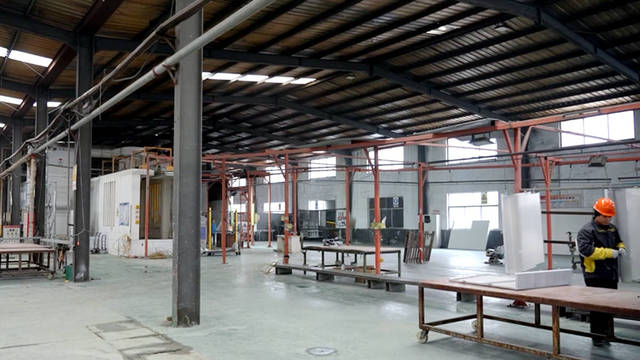
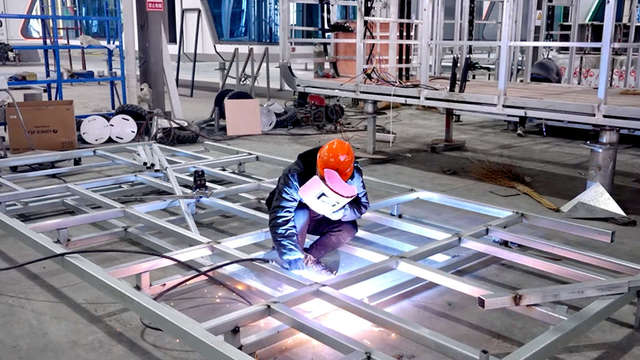
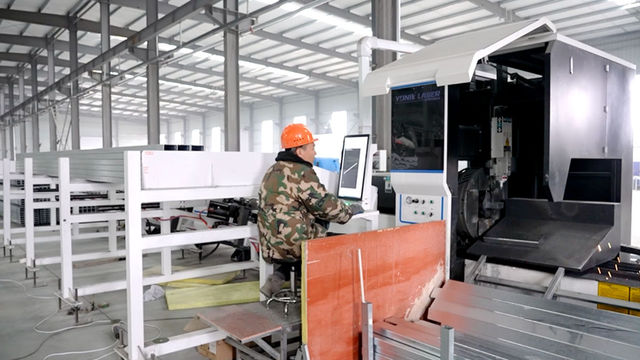
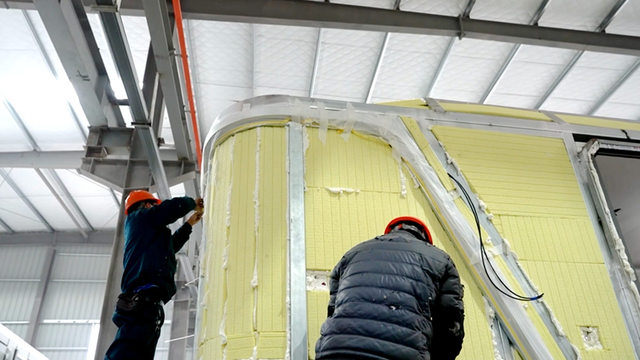
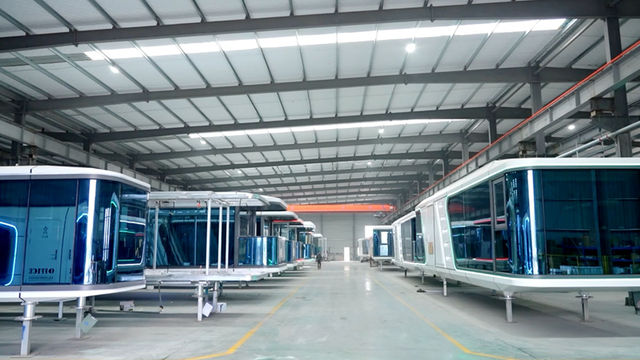
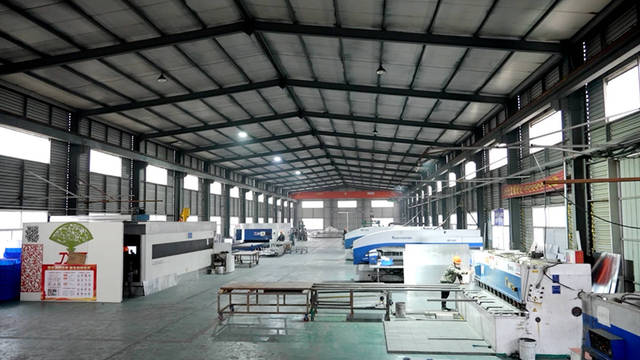
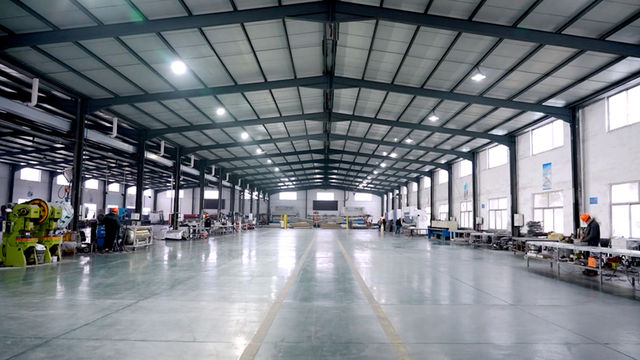
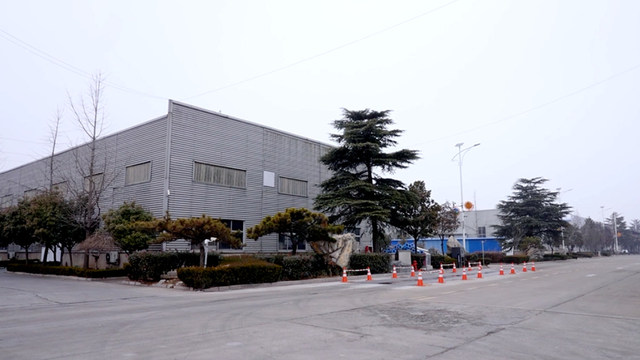
China has become the world's hub for modular construction due to its unparalleled supply chain and manufacturing infrastructure. As a leading factory, Ningbo Shupshy Container Co., Ltd. embodies these strengths.
Ningbo Shupshy Container Co., Ltd. is a forward-looking manufacturer specializing in advanced modular construction, positioned as a Modular Integrated Housing Manufacturer | Offsite Construction & Turnkey Building Solutions provider. The company focuses on delivering efficient, scalable, and fully integrated housing systems for residential, commercial, and industrial applications worldwide.
By 2017, we had developed a comprehensive portfolio of volumetric modular units, integrated container housing, and turnkey building solutions. Our advantage lies in:
Today, Ningbo Shupshy Container Co., Ltd. serves clients across Asia, Europe, the Middle East, and Africa. Committed to innovation, sustainability, and smart construction practices, we continue to lead in modular integrated housing by providing reliable, cost-effective, and future-ready building solutions tailored to global project needs.
 Shupshy Container