Discover our advanced range of prefabricated high-rise components, structural frameworks, and integrated building products customized for global standards.
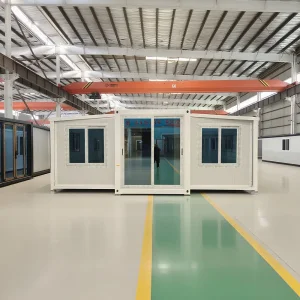
Rapid global urbanization, coupled with labor shortages and aggressive carbon-reduction mandates, has pushed traditional construction practices to their limits. Structural volumetric modular integration has emerged as the definitive future of high-rise developments. By moving over 85% of building activities offsite into a highly controlled factory environment, modern real estate developers achieve unprecedented speed, precision, and sustainability.
Ningbo Shupshy Container Co., Ltd. is a forward-looking manufacturer specializing in advanced modular construction, positioned as a Modular Integrated Housing Manufacturer | Offsite Construction & Turnkey Building Solutions provider. Founded in 2013 in Ningbo, China, Shupshy initially focused on the production of heavy-duty container-based structures for logistics and temporary facilities.
Recognizing the rapid global shift toward offsite construction and modular integration, the company expanded its engineering expertise into fully prefabricated structural housing systems in 2017. Today, it has developed a comprehensive portfolio of volumetric modular units, integrated container housing, and turnkey high-rise building components designed for quick installation, high durability, and ultimate flexibility.
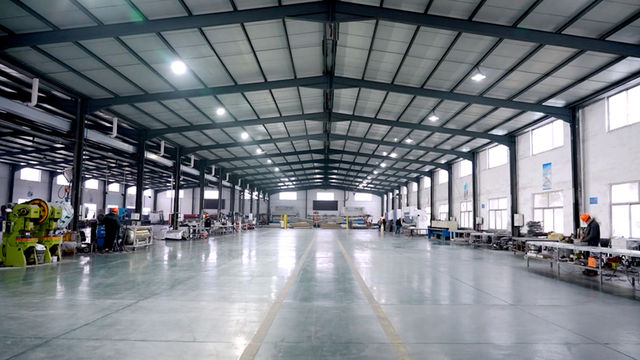
By utilizing automated high-tech facilities, Ningbo Shupshy Container Co., Ltd. ensures microscopic structural tolerances and massive structural durability.
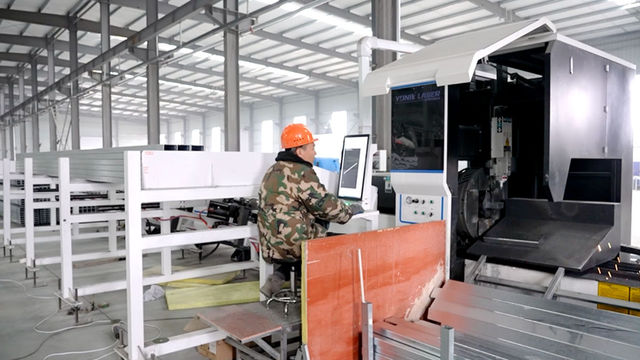
Structural integrity begins with millimetric accuracy. Computer Numerical Control (CNC) laser and plasma cutting systems process primary load-bearing H-beams and channel steels with structural tolerances within 0.5mm, ensuring seamless modular alignment upon on-site vertical stacking.
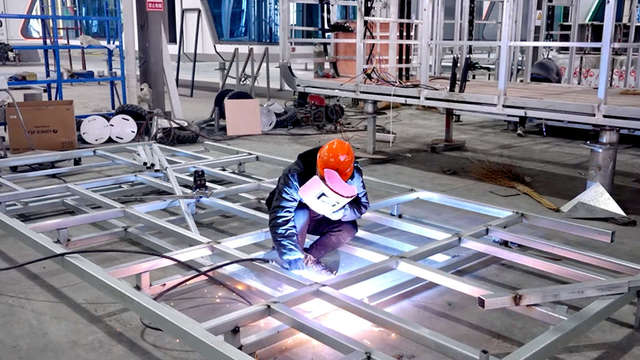
Our automated welding bays feature multi-axis robotic arms performing continuous Shielded Metal Arc Welding (SMAW) and Gas Metal Arc Welding (GMAW). This guarantees uniform penetration, zero localized structural fatigue, and exceptional seismic energy dissipation levels.
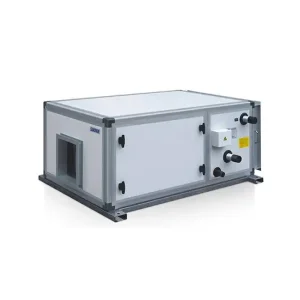
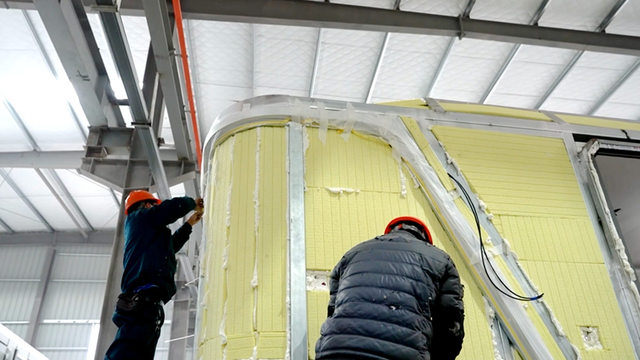
Each volumetric module leaves the production facility with pre-installed Mechanical, Electrical, and Plumbing (MEP) systems. From insulated conduits to the integration of Ultra-Quiet Modular AHU Featuring Energy Recovery & Smart Control Air Handling Units, systems are pressure-tested and certified before logistics dispatch.
The core strength of Ningbo Shupshy Container Co., Ltd. lies within its integration into China's industrial supply ecosystem. Located in the port metropolis of Ningbo, Shupshy leverages direct maritime shipping routes, adjacent bulk steel raw-material clusters, and specialized high-tech subsystem vendors.
Unlike regional modular builders in high-cost labor markets, we maintain complete control over upstream inputs. From specialized anti-corrosive industrial coatings to heavy custom aluminum extrusions, the centralized supply chain delivers drastic cost containment and ensures zero lead-time unpredictability.
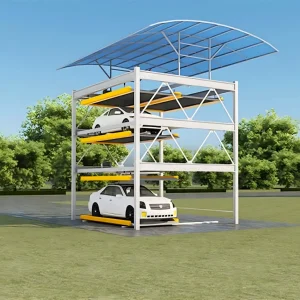
Our engineering division designs under strict Design for Manufacture and Assembly (DFMA) protocols. This means every product series—from multi-storey steel frame apartment structures down to space-efficient high-density puzzle parking platforms—is optimized to fit ISO standard container dimensions, eliminating premium logistics costs and simplifying global transshipment.
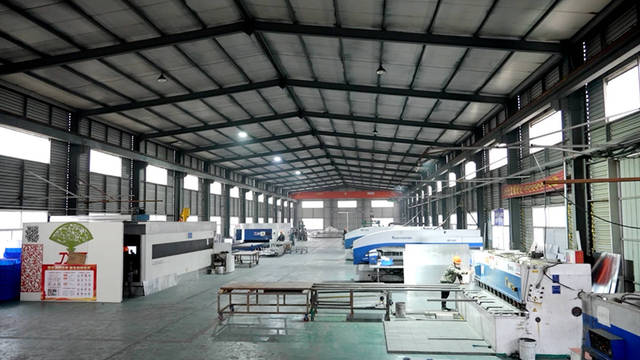
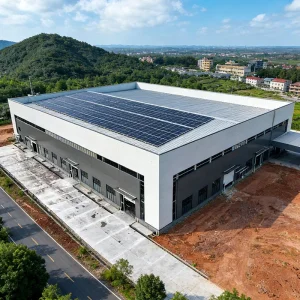
Figure 1: Robotic assembly and precision cold-formed steel structuring within the Ningbo Shupshy plant.
High-Rise prefabrication is not a one-size-fits-all product. Our structural systems are customized dynamically to comply with regional topographic, climatic, and sociological frameworks.
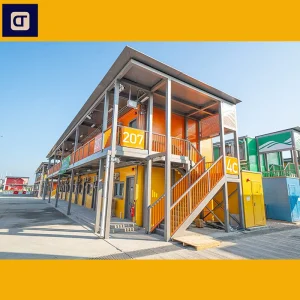
In highly populated metropolises such as Singapore, Hong Kong, London, and New York, land acquisition costs demand verticality. Our Premium Modular Apartment Buildings offer developers an asset class that is structurally engineered up to 30 storeys. These modular units incorporate top-tier acoustic decoupling zones, thermal envelopes, and modern facade integrations that rival concrete structures in aesthetic value and longevity.
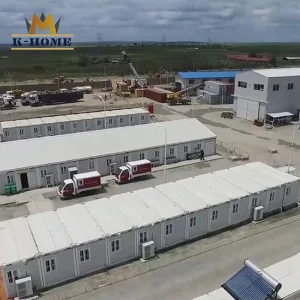
For operations located in regions with severe environments—such as northern Australia, Canada, or deep sub-Saharan Africa (e.g., our extensive mine camp projects in Mozambique)—building on-site is economically impossible. Shupshy delivers specialized structural units such as the Portable Mining Site Sleeping Accommodations. These structures withstand extreme ambient temperatures (+50°C to -40°C), are pest-resistant, and feature rapid hook-up municipal links.
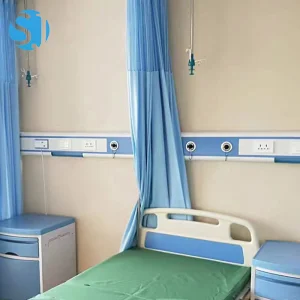
Modern medical crises require rapid-response facilities. Volumetric modular technology allows for fully pre-piped healthcare units. Utilizing our Modular Hospital Bed Head Units, which feature factory-integrated medical gas lines, low-voltage communications, and primary power channels, standard modular compartments can be converted into fully functional intensive care units (ICUs) or isolation wards in a fraction of traditional construction schedules.
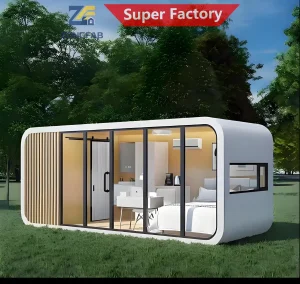
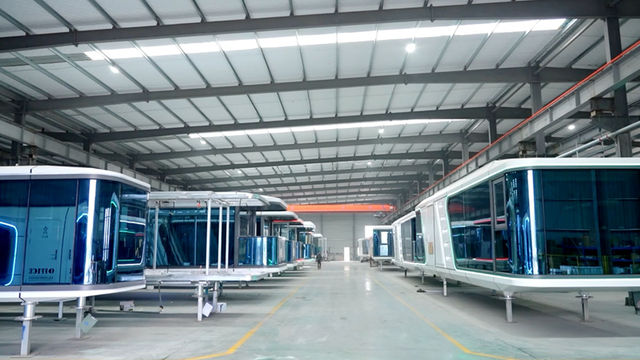
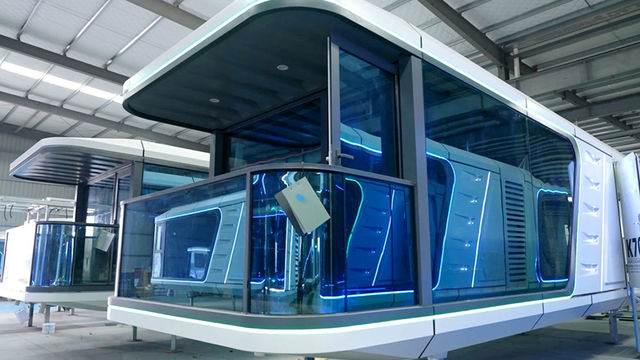
Ecotourism operators need visually stunning and low-impact building solutions. The High-End Modular Apple Cabin Pod Houses provide an ideal balance of structural design, curved tempered glass, and minimal site preparation. These pods can be assembled and situated on delicate environments without damaging native micro-ecosystems.
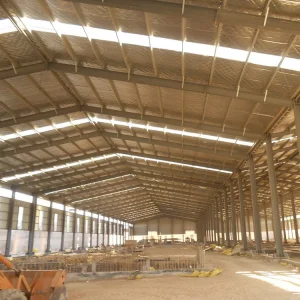
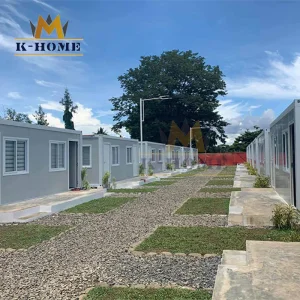
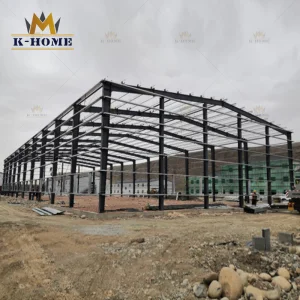
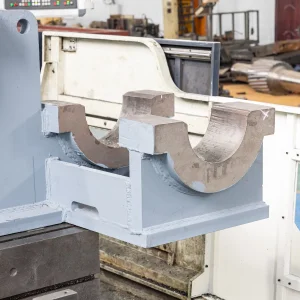
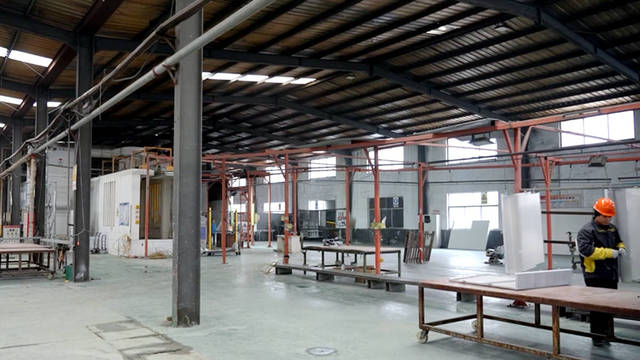
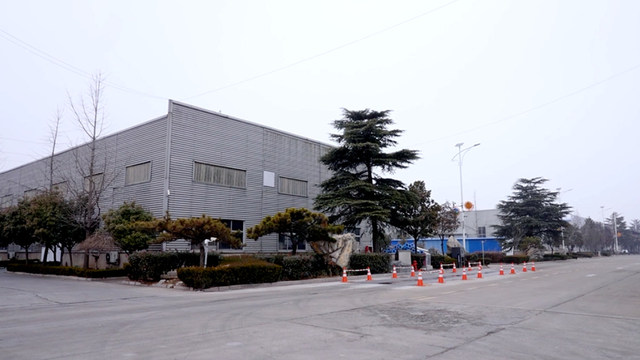
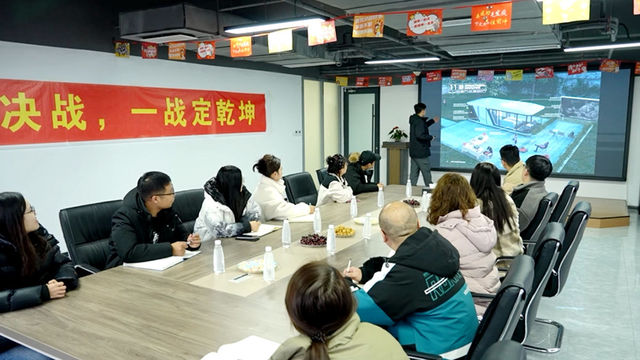
A direct visual look inside our standardized fabrication plants, mechanical divisions, and finished volumetric unit stocks.
As we transition into the next era of smart cities, high-rise prefabricated buildings are rapidly integrating digital technologies. Our technical development roadmap focuses on zero-emission construction, dynamic material science, and automation.
Deployment of real-time Building Information Modeling (BIM) twins integrated directly with CNC machinery. This will allow for instant design alterations to be fed to the manufacturing floor within minutes, completely eliminating engineering lag.
Adopting hydrogen-reduced "green steel" structural cores alongside biodegradable Aerogel-infused composite wall assemblies to target true carbon neutrality in structural lifecycle analyses (LCA).
Transitioning on-site installation processes from crane-operator dependency to automated, GPS-guided structural mounting units that locate and secure vertical volumetric locks automatically.
Every region demands specific regulatory standards. Ningbo Shupshy Container Co., Ltd. ensures full engineering compliance across global jurisdictions.
Compliance with EN 1993 (Eurocode 3) for steel structures and EN 1994 (Eurocode 4) for composite steel and concrete designs. Complete CE marking for volumetric modules, ensuring access to EU countries.
Engineered to meet the International Building Code (IBC) guidelines, AISC 360 structural standards, and state-level prefabricated housing programs (e.g., California HCD guidelines for factory-built structures).
Structural validation to comply with AS 4100 (Steel Structures) and AS/NZS 1170 structural design action requirements, particularly in high seismic activity zones in New Zealand and coastal wind regions in Australia.
Addressing primary technical, financial, and logistical inquiries from professional engineers, real estate developers, and municipal authorities.
Explore additional structural, energy, and auxiliary industrial products manufactured within our integrated supply network.
 Shupshy Container