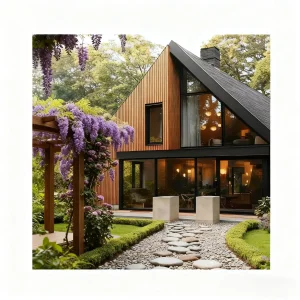
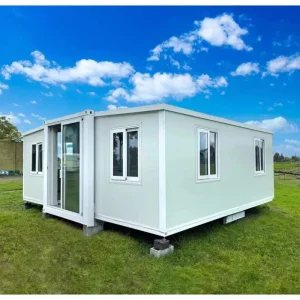
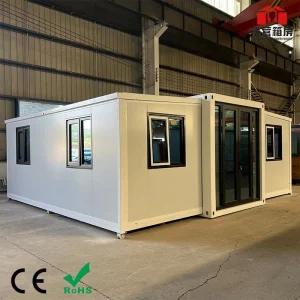
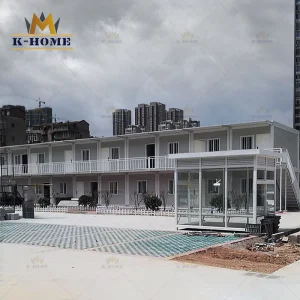
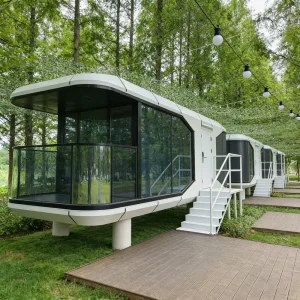
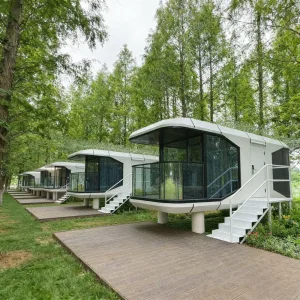
The global construction landscape is undergoing a seismic shift toward offsite manufacturing. Driven by skyrocketing labor costs, housing shortages in urban centers, and the urgent need for sustainable building practices, affordable modular solutions have transitioned from temporary shelters to permanent, high-end architectural staples. In 2024, the modular construction market is valued at billions, with industrial giants and government bodies increasingly adopting "Volumetric Modular Construction" to solve complex infrastructure challenges.
Modular factories utilize controlled environments to eliminate weather delays, reducing project timelines by up to 50% compared to traditional on-site builds.
Standardized components allow for mass production, significantly lowering the "cost per square meter" while maintaining structural integrity.
Modular construction produces 90% less waste than traditional methods, meeting the stringent ESG (Environmental, Social, and Governance) goals of modern corporations.
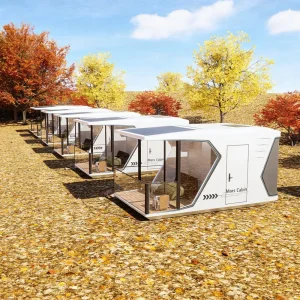
Modern modular factories are no longer just "box makers." They are high-tech hubs integrating AI-driven design, IoT smart home features, and advanced material science. The trend is moving toward Hybrid Modular Systems—combining steel frames with eco-friendly composites—and "Space Capsule" hospitality units that offer luxury in remote, ecologically sensitive areas without leaving a footprint.
B2B procurement for modular housing requires more than just a product; it requires a comprehensive supply chain partner. Major enterprises in mining, hospitality, and healthcare are seeking "Turnkey Solutions." This includes everything from architectural design and structural certification (CE, ISO) to international shipping logistics and final assembly supervision.
Global buyers prioritize Climate Resilience—units that can withstand extreme temperatures in the Middle East or seismic activity in the Pacific Rim—coupled with Cost-Effectiveness that only large-scale Chinese manufacturing can provide.
Ningbo Shupshy Container Co., Ltd. is a forward-looking manufacturer specializing in advanced modular construction, positioned as a Modular Integrated Housing Manufacturer | Offsite Construction & Turnkey Building Solutions provider.
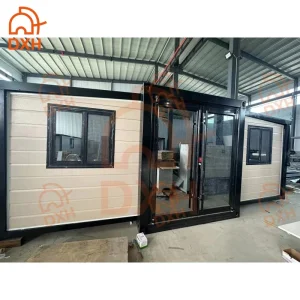
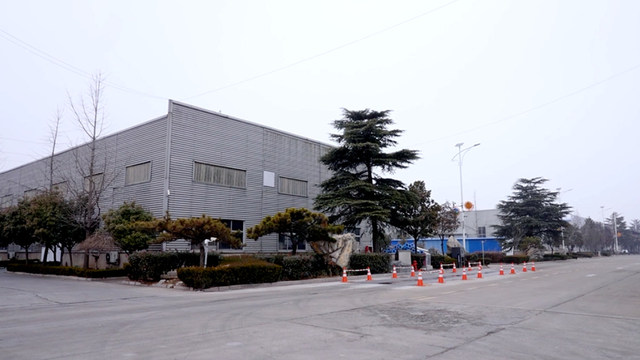
Founded in 2013 in Ningbo, China, Shupshy Container initially focused on the production of container-based structures for logistics and temporary facilities. Recognizing the rapid global shift toward offsite construction and modular integration, the company expanded its expertise into fully prefabricated housing systems. By 2017, it had developed a comprehensive portfolio of volumetric modular units, integrated container housing, and turnkey building solutions.
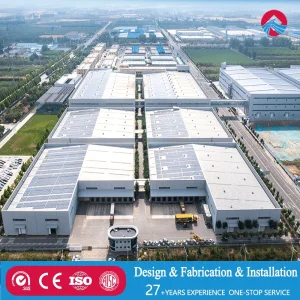
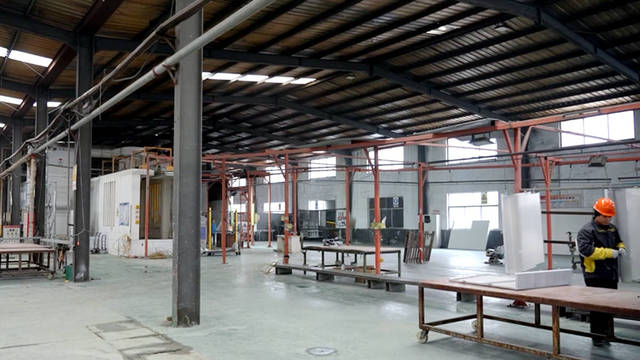
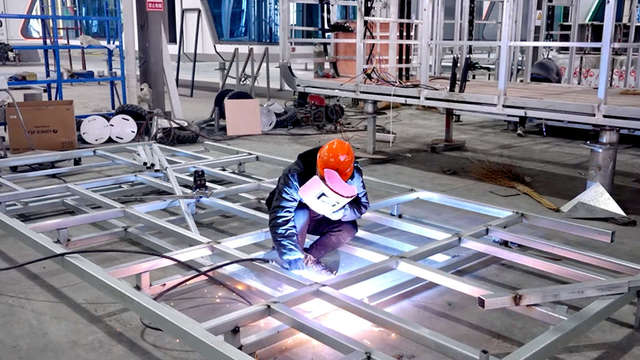
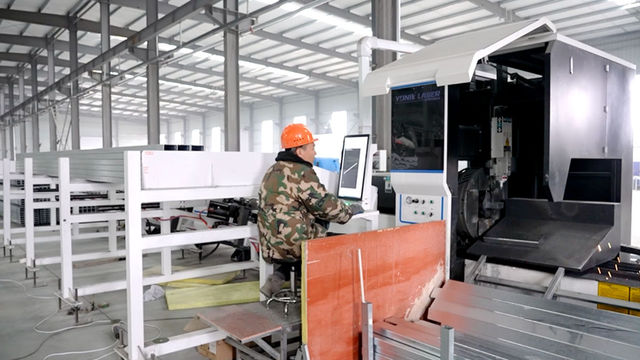
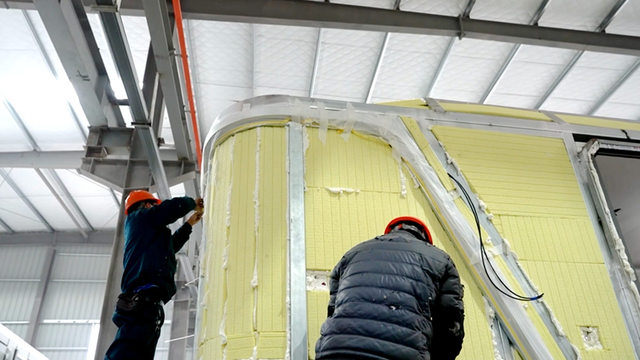
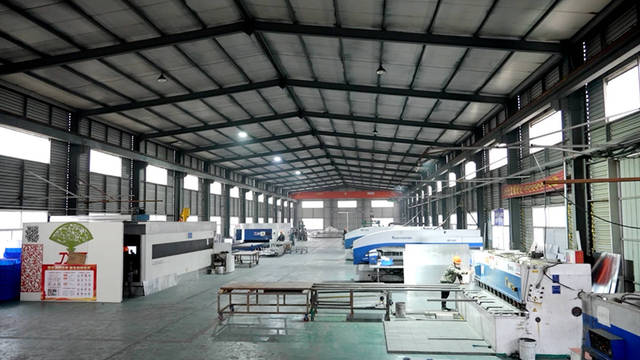
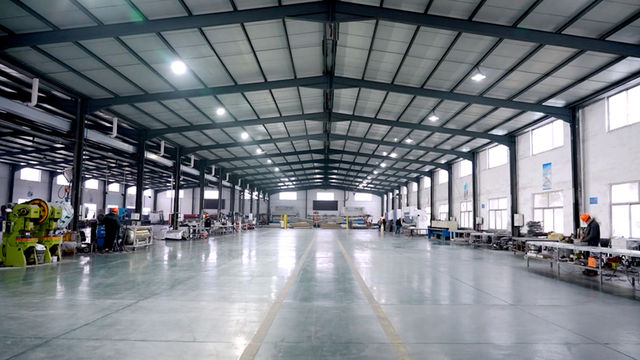
With strong investment in automation and precision manufacturing, Shupshy operates modern production lines featuring CNC cutting, robotic welding, and standardized module assembly. Its solutions are designed for quick installation, high durability, and flexible customization, enabling clients to efficiently deploy housing for urban development, workforce accommodation, hospitality, and public infrastructure.
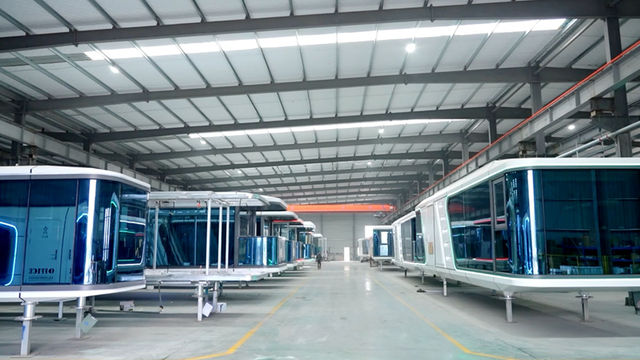
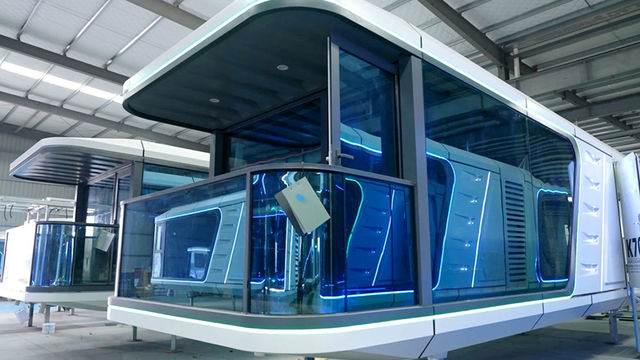
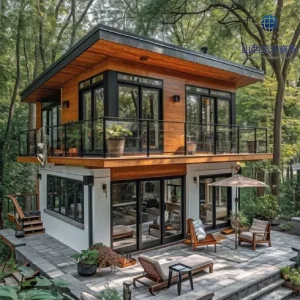
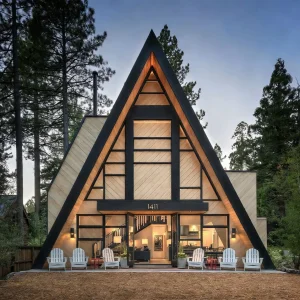
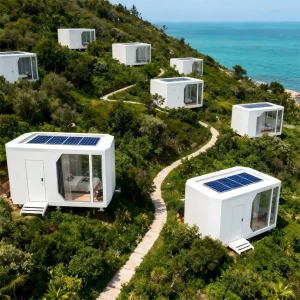
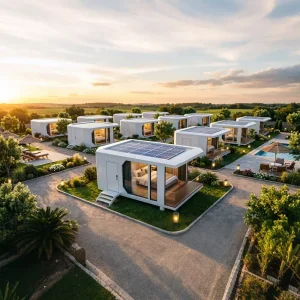
Our Space Capsule Houses and Luxury Cabins are being deployed in forest and coastal regions from Southeast Asia to Europe. These modular units offer a "Plug & Play" hospitality solution that minimizes ecological impact while providing 5-star comfort.
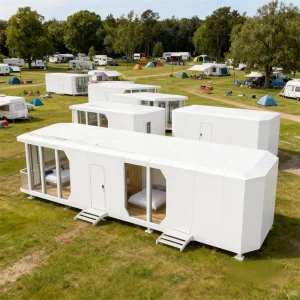
In the Middle East and Africa, our mining camp accommodations and modular staff quarters provide safe, durable, and climate-resistant environments for hundreds of workers, deployable in weeks.
In high-density markets like North America and Australia, our Accessory Dwelling Units (ADUs) offer homeowners an affordable way to add value to their property through rental units or guest houses.
Today, Ningbo Shupshy Container Co., Ltd. serves clients across Asia, Europe, the Middle East, and Africa. Committed to innovation, sustainability, and smart construction practices, the company continues to lead in modular integrated housing by providing reliable, cost-effective, and future-ready building solutions tailored to global project needs.
 Shupshy Container