In the evolving world of construction, understanding the differences is vital. Modular construction is altering the industry landscape. But "what is the difference between modular and traditional construction?" According to Sarah Mitchell, a leading expert in construction innovations, “Modular methods offer speed and efficiency that traditional builds cannot match.” This insight highlights the pressing nature of the debate.
Traditional construction relies heavily on site-specific processes. It often leads to longer project timelines and more variable costs. Conversely, modular construction involves prefabricating sections off-site. These modules are then assembled on location. This method can streamline processes, yet some question the quality. Concerns persist about how well modular structures endure compared to traditional buildings.
While modular solutions provide numerous benefits, they still come with challenges. Critics argue about design limitations and aesthetic appeal. The question remains, can modular construction truly replace traditional methods? Exploring this topic not only reveals valid points but also encourages reflection on evolving industry standards. Understanding both sides is essential in making informed choices.
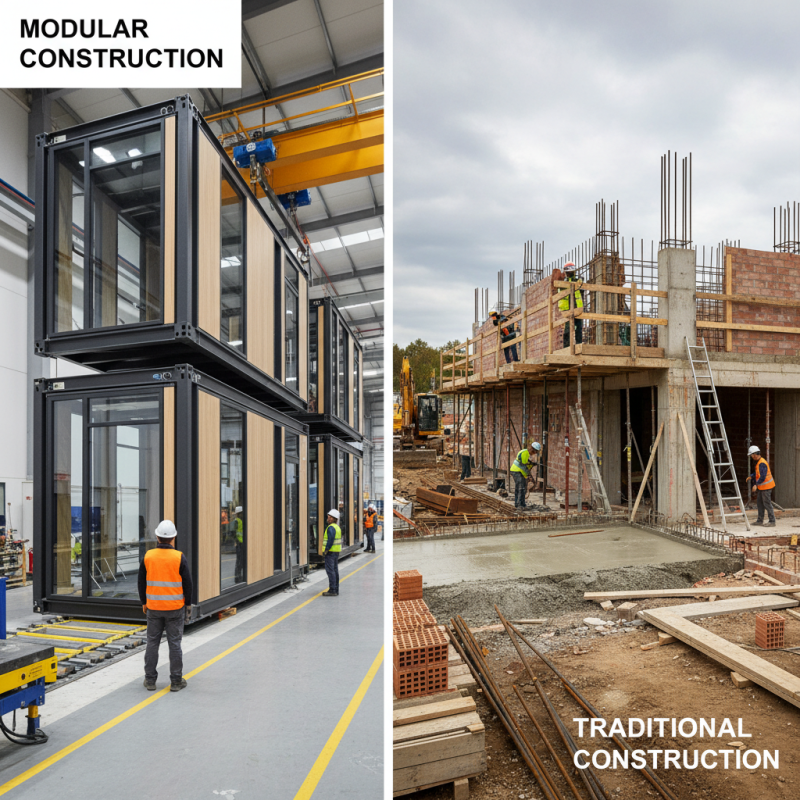
Modular construction is gaining prominence. It involves building structures in sections or modules off-site. This method is efficient and often faster than traditional construction. Each module is built in a controlled environment, minimizing weather-related delays. This leads to consistent quality and reduced waste.
Key characteristics of modular construction include flexibility and customization. Each module can be designed uniquely to fit different needs. This allows for various layouts and styles, making it a popular choice for residential and commercial projects. However, the initial investment can be higher than traditional methods. It's essential to weigh the long-term benefits against these costs.
While modular construction offers many advantages, challenges exist. Transportation of large modules can be complex. Site preparation must also meet strict standards, which may require more resources. Collaboration between architects, engineers, and contractors is crucial. Effective communication can help avoid delays and ensure the project stays on track. Understanding these nuances is vital for successful modular construction.
Traditional construction, often revered for its craftsmanship, relies heavily on established methods and skilled labor. Key features include brick-and-mortar structures, intricate woodwork, and on-site construction. According to the National Association of Home Builders, approximately 70% of residential buildings in the U.S. utilize traditional methods, showcasing a long-standing preference among builders and clients alike. This method typically involves longer timelines. Many projects take months or even years, and this can be a drawback for some.
Common practices in traditional construction hinge on detailed planning. Architects and contractors often collaborate to design buildings that meet specific community needs. It’s not uncommon for projects to encounter delays. Environmental factors or material shortages can significantly impact the schedule. The latest industry reports indicate that cost overruns occur in over 25% of traditional projects, emphasizing the need for better project management.
Although traditional construction is rooted in time-tested techniques, this approach has its challenges. Skilled labor shortages are growing, leading to potential quality issues. Many companies face difficulties in attracting new talent. Furthermore, the reliance on manual labor can push project costs higher. Therefore, as the industry evolves, the focus on improving efficiency and adopting new technologies remains crucial.
Modular construction is changing the landscape of building. It allows for significant time efficiency compared to traditional methods. According to a report by the Modular Building Institute, modular construction can cut project timelines by 30% to 50%. This speed results from off-site fabrication, where modules are built simultaneously with on-site preparations.
Cost efficiency also plays a crucial role. A study from McKinsey shows that modular construction can reduce costs by 20% to 30%. Fewer labor hours and reduced material waste contribute to these savings. However, initial investment in modular technology may be high. This aspect can play a huge part in decision-making.
Tip: When considering modular construction, evaluate long-term benefits. Analyze labor cost savings and your project's timeline.
Despite these advantages, challenges exist. Not all designs fit modular systems. Complicated architectural designs can hinder efficiency. Furthermore, regulations and site conditions can impose limitations. Understanding these factors is vital for successful implementation.
Tip: Always involve architects early in the design phase. Their input can streamline processes and enhance adaptability.
During the transition to modular methods, be aware of potential gaps in skills. Workers trained in traditional construction may require new training programs. Emphasizing continuous education is essential for bridging this gap and driving success.
Modular construction offers a unique approach to building, focusing on prefabrication. This method significantly reduces waste compared to traditional construction. Each module is manufactured in a controlled environment, leading to better resource efficiency and less environmental disruption. The process also speeds up construction time, which can further decrease the overall carbon footprint.
However, modular methods are not without their challenges. Transportation of modules can lead to increased emissions. Local regulations can sometimes limit the feasibility of modular options. Balancing these factors is crucial for maximizing sustainability benefits. Traditional construction, while often slower, allows more flexibility on-site. It can adapt to specific community needs more effectively, but usually generates more waste.
Understanding the nuances between these two methods can make a difference. Modular construction often shines in sustainability metrics, yet it's important to consider local context and any potential drawbacks. Each project requires careful evaluation of its specific goals and environmental impact.
When comparing modular and traditional construction, it’s crucial to look at the unique challenges each method presents. Modular construction offers speed and efficiency. However, site-specific issues can complicate this approach. Weather conditions, land access, and logistics all play significant roles. These factors can lead to delays and increased costs. On the other hand, traditional methods allow for more flexibility on-site but can be more time-consuming. The choice often depends on project scope and timeline.
Consider the regulatory hurdles as well. Modular buildings must comply with building codes which can vary significantly by region. This could introduce unexpected complications in the planning phase. Traditional construction may face fewer of these issues, but can still encounter challenges with labor shortages and material supply chains. While each method has its strengths, they also require careful consideration of the specific project context.
Both construction approaches demand thorough planning and adaptability. Project managers must weigh the benefits against potential setbacks. Customization options in modular units may not always meet the desired aesthetics. Traditional construction allows for creativity but can be constrained by time and budget. Ultimately, understanding the challenges of each method is essential for successful project execution.
| Dimension | Modular Construction | Traditional Construction |
|---|---|---|
| Time Efficiency | Faster due to off-site fabrication | Longer due to on-site processes |
| Cost | Generally lower due to reduced labor and waste | Higher due to extensive labor and potential delays |
| Site Preparation | Minimal site disruption | Significant site work required |
| Design Flexibility | Limited by module design | Highly customizable |
| Quality Control | Consistent quality due to factory conditions | Variable quality, dependent on workforce |
| Sustainability | Potentially higher due to reduced waste | Often less sustainable due to on-site waste |
| Timeline for Completion | Shorter, typically weeks to months | Longer, 6 months to over a year |
: Modular construction can reduce project timelines by 30% to 50%. This is due to off-site fabrication.
It can lower costs by 20% to 30%. This happens through fewer labor hours and less material waste.
Not all designs fit modular systems. Complicated designs may hinder efficiency and effectiveness.
Involving architects early helps streamline processes and enhances adaptability to unexpected challenges.
Yes, traditional methods allow for more on-site flexibility. However, they are often more time-consuming.
Workers trained in traditional methods may require new training. Continuous education is vital for success.
Yes, modular buildings must adhere to varying building codes, which can complicate planning.
Site-specific issues like weather, land access, and logistics can lead to delays and increased costs.
Modular units may have limited customization. Traditional construction often allows for more creative designs.
Both methods require thorough planning to manage potential setbacks and optimize outcomes effectively.
The article titled "2026 How to Understand the Difference Between Modular and Traditional Construction?" provides a comprehensive exploration of two distinct construction methods. It begins by defining modular construction, highlighting its key characteristics such as prefabrication and efficiency, followed by an examination of traditional construction's features and practices, which emphasize on-site building processes. One crucial question it addresses is: what is the difference between modular and traditional construction?
The comparative analysis dives into cost and time efficiency, revealing that modular construction often offers quicker completion times and potential cost savings. Additionally, the article discusses the sustainability impacts of both methods, noting that modular construction tends to use resources more efficiently and reduces waste. However, it also outlines the challenges and considerations inherent to each approach, helping readers understand the advantages and limitations they may face in choosing between modular and traditional construction methods.

Shupshy Container