Modular housing is emerging as a game-changer in the construction industry. As professionals explore sustainable solutions, the focus on materials becomes crucial. Understanding what materials are used in modular housing helps in making informed decisions. Recent reports indicate that the global modular construction market is expected to reach $157 billion by 2023, reflecting a growing trend.
The choice of materials directly impacts durability and sustainability. Wood, steel, concrete, and eco-friendly composites are some of the top choices. For instance, wood offers a lightweight, renewable option, while steel provides strength and resilience. However, each material presents unique challenges. Wood, while abundant, may face issues like pests and rot. Steel is durable but can be susceptible to corrosion without proper treatment. These considerations highlight the need for careful selection.
In the quest for innovation, it's vital to balance aesthetics with functionality. As the modular housing market expands, it's essential to reflect on the implications of material choices. Exploring what materials are used in modular housing is not just about construction; it's about shaping the future of living spaces responsibly.
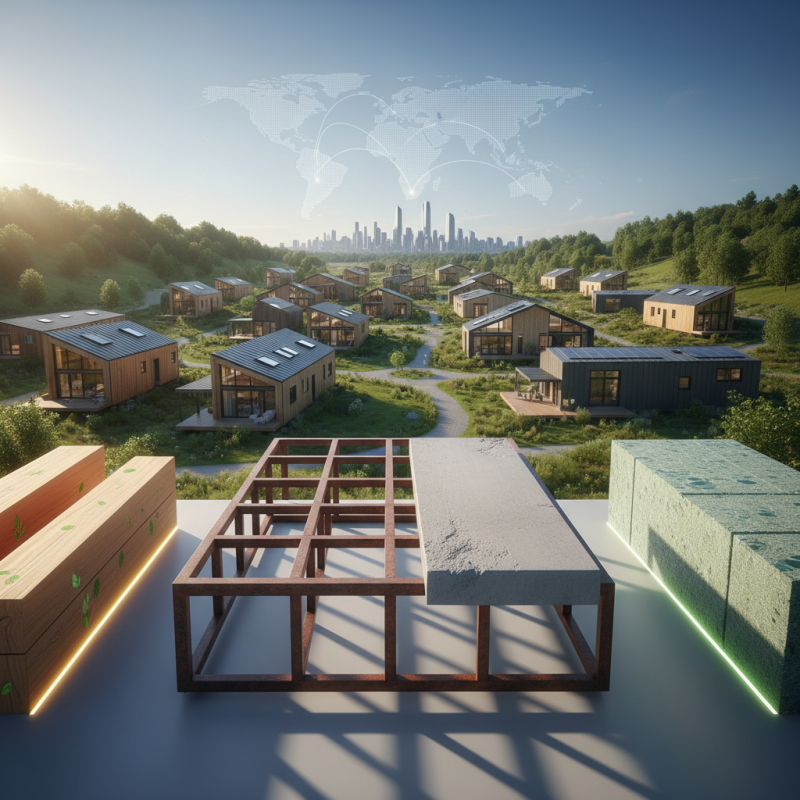
Overview of Modular Housing and Its Benefits
Modular housing is gaining popularity for its efficiency and sustainability. These homes are built in sections or modules, allowing for quick assembly on-site. This approach minimizes waste and reduces construction time. The modular process ensures precision and quality, making it a reliable choice for many.
Tips: Consider the environmental impact of materials. Look for options that have a lower carbon footprint. Sustainable materials help reduce energy consumption over time.
Another advantage of modular housing is its adaptability. Homeowners can customize designs according to their needs. This flexibility allows for creative solutions in limited spaces. Many find the aesthetic appeal of modular homes attractive as well. However, some designs can lead to challenges with zoning regulations or land use.
Tips: Always check local regulations before proceeding. Understanding these can save time and effort. Engage with professionals who have experience in modular construction for smoother navigation through these challenges.
Common Materials Utilized in Modular Housing Construction
Modular housing is gaining traction due to its efficiency and sustainability. A key aspect of this construction method is the materials used. Common materials include wood, steel, concrete, and composite materials.
Wood is often the primary choice for modular homes. It’s lightweight and relatively inexpensive. According to the American Wood Council, wood framing makes up about 80% of residential projects in the U.S. However, wood is not without its challenges. Issues like moisture and pests can compromise its integrity.
Steel has become prevalent in modern modular construction. It provides strength and durability. Reports indicate that steel can reduce construction time significantly. Yet, it can be cost-prohibitive for some projects. Concrete is also a popular option. It offers excellent thermal performance and is fire-resistant. Though, its weight requires careful consideration during transport and assembly.
The use of composite materials is on the rise. They incorporate recycled materials, contributing to sustainable practices. However, the long-term durability of some composites can be uncertain. As the modular housing industry evolves, understanding these materials is crucial for making informed choices.
Top 5 Materials Used in Modular Housing You Need to Know
| Material |
Description |
Advantages |
Common Uses |
| Wood |
A natural and renewable resource known for its durability. |
Sustainability, aesthetic appeal, good insulation properties. |
Framing, flooring, and finishing. |
| Steel |
A strong and long-lasting metal used for structural framework. |
High strength, resistance to pests and fire, recyclability. |
Structural support, roofing, and facades. |
| Concrete |
A composite material made from cement, aggregates, and water. |
Durability, thermal mass, and low maintenance. |
Foundations, walls, and flooring. |
| Insulation |
Materials used to reduce heat loss or gain in a building. |
Improves energy efficiency, soundproofing. |
In walls, roofs, and floors. |
| Vinyl |
A synthetic plastic material often used for external finishes. |
Durability, low maintenance, various design options. |
Siding, windows, and flooring. |
Sustainable Materials: Enhancing Eco-Friendliness in Modular Designs
Sustainable materials are at the core of eco-friendly modular housing designs. These materials not only reduce environmental impact but also enhance the overall aesthetic of the structures. For example, recycled steel is a popular choice for framing. It is durable and has a lower carbon footprint. Using bamboo as flooring not only supports sustainability but also adds warmth to interiors.
Natural insulations, like sheep's wool or hemp, provide excellent thermal regulation. They help maintain comfortable indoor temperatures while avoiding harmful chemicals found in many conventional insulation materials. However, sourcing these materials can be a challenge. Supply chain issues may arise, leading to increased costs. Reflecting on these challenges is crucial for the industry.
Designers often face dilemmas when balancing sustainability with functionality. Some eco-friendly materials might not perform as well under specific conditions. The choice comes with trade-offs. Still, the demand for greener living spaces pushes innovations in the field. This progress can lead to better options, ultimately making modular homes more sustainable and appealing.
Top 5 Materials Used in Modular Housing
Structural Integrity: The Role of Steel and Wood in Modular Homes
When it comes to modular housing, the choice of materials significantly influences structural integrity. Steel and wood are two primary materials that define the strength and durability of these homes.
Steel frames provide exceptional resistance to harsh weather conditions and seismic activities. It’s a robust option, yet some may find it less aesthetically pleasing. On the other hand, wood brings warmth and a natural feel to homes. However, it requires careful treatment to prevent rot and pests.
The combination of these materials presents unique benefits and challenges. Steel can be engineered for precise designs, allowing for innovative architectural styles. But, the weight of steel can increase transportation costs. Wood components often make installations easier but necessitate regular maintenance. This emphasizes the importance of properly understanding the limitations of each material. The right balance between steel and wood can maximize longevity and comfort. It’s crucial to assess how these elements work together in modular design to achieve an efficient and sustainable outcome.
Innovative Insulation Solutions for Energy Efficiency in Modular Housing
When considering energy efficiency in modular housing, insulation plays a crucial role. Innovative solutions such as spray foam and rigid foam boards are gaining popularity. These materials provide superior thermal performance, keeping homes warmer in winter and cooler in summer. The right insulation helps reduce energy costs, enhancing comfort for residents.
Tips: Explore different insulation types before making a decision. Consider factors like R-value, moisture resistance, and environmental impact. Each material has pros and cons that may affect your choice.
Another exciting development is the use of cellulose insulation made from recycled paper. This eco-friendly option not only reduces waste but also offers excellent soundproofing. While highly effective, cellulose may require additional measures for moisture control. This aspect can lead to potential issues if not properly managed.
Tips: Assess your climate before selecting insulation. Local weather conditions can influence material performance. Conduct thorough research to understand how different options react over time.
Conclusion
Modular housing has gained popularity due to its efficiency and flexibility, offering numerous benefits such as reduced construction time and cost-effectiveness. Understanding what materials are used in modular housing is essential for appreciating its structural and environmental advantages. Commonly utilized materials include traditional options like wood and steel, which provide robust structural integrity, as well as innovative insulation solutions that enhance energy efficiency.
Sustainability is a key focus in modular designs, with eco-friendly materials being increasingly adopted. This shift not only promotes environmental responsibility but also contributes to lower energy consumption in the long term. By exploring the combination of durable materials and sustainable practices, modular housing represents a forward-thinking approach to modern living, catering to both practical needs and ecological concerns.

 Shupshy Container