10 Reasons Why Modular Homes Fit Large Developments?

Time:2026-06-27 Author:Aria
0%

As urbanization accelerates, developers seek efficient housing solutions. Modular homes are versatile, offering a unique approach to large developments. But are modular homes suitable for large developments? The answer lies in their adaptability, cost-effectiveness, and speed of construction.

Unlike traditional construction, modular homes can be built off-site, reducing time on location. This method leads to faster completion times, allowing developers to meet market demands swiftly. Additionally, modular homes can be designed to fit various architectural styles, appealing to diverse buyers.

However, some challenges exist in this approach. Quality control must be a priority to avoid structural issues later. Community acceptance is another consideration; residents may have biases against modular designs. Addressing these concerns is crucial as we explore the ten reasons why modular homes are a fitting option for large-scale projects.
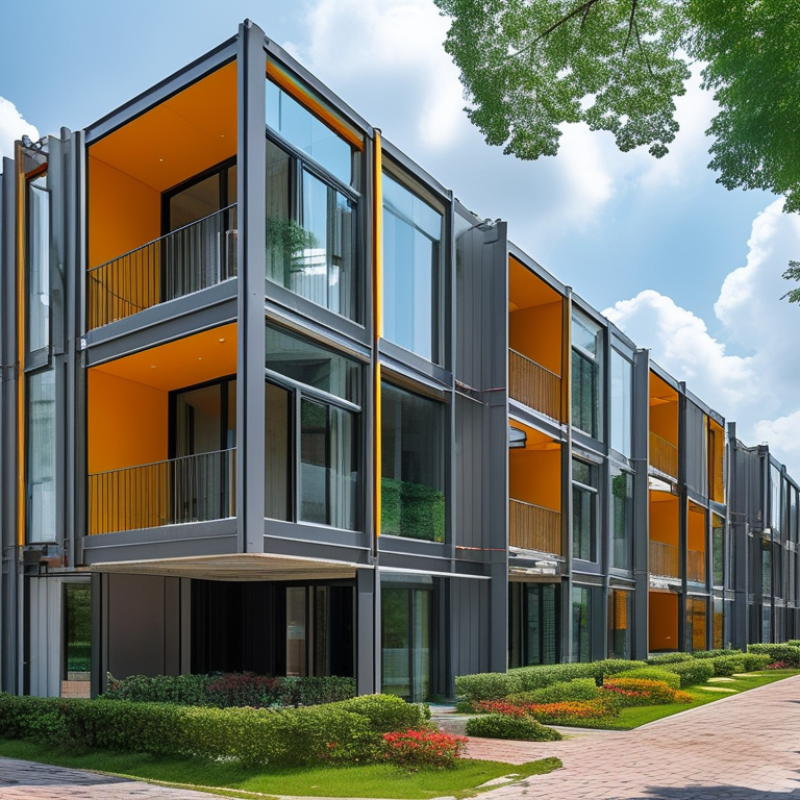
10 Reasons Why Modular Homes Fit Large Developments?

Benefits of Modular Homes in Large Developments

Modular homes present a unique solution for large developments. They are built in sections offsite, allowing for faster construction times. This efficiency can significantly reduce labor costs and minimize the disruption typically associated with traditional building methods. When managing large projects, avoiding prolonged construction timelines is essential. Modular homes can help achieve this goal.

Another key benefit is design flexibility. Modular homes can be customized to fit different architectural styles and community needs. This adaptability can enhance curb appeal and attract more buyers. However, the challenge lies in coordinating these designs within larger plans. It requires a thoughtful approach to ensure cohesion across multiple units.

Sustainability is another compelling reason to consider modular homes. They often produce less waste during construction, promoting eco-friendly practices. While they may initially seem like a compromise on quality, many high-quality modular homes stand the test of time. It’s essential to evaluate materials and building standards to avoid potential pitfalls. The perception of modular homes is evolving, but transparency about quality and methods remains crucial.

Cost Efficiency and Quick Construction Times

Modular homes are becoming a popular choice for large developments. They offer significant cost efficiency thanks to streamlined production methods. Factories produce homes faster and with fewer materials. As a result, developers save both time and money. Quick construction times reduce labor costs as well. This efficiency is crucial when meeting tight deadlines in large projects.

One important tip for developers is to assess the design flexibility of modular homes. Some modular units can be customized to fit specific needs. Ensure the designs align with the overall vision for the development. This may involve collaboration with architects early in the process. Another tip is to consider the long-term maintenance costs. While modular homes can be cost-effective upfront, evaluating their durability is vital. Some may need more frequent repairs, impacting overall savings.

Lastly, local regulations can impact the deployment of modular homes. Understanding zoning laws is crucial in planning. Some areas may restrict the placement of modular structures, which can affect timelines. Developing relationships with local authorities can ease this process. Proper planning and communication are key to maximizing the benefits of modular homes.

Sustainability and Environmental Impact of Modular Construction

Modular homes are gaining traction in large developments, especially for their sustainability and environmental benefits. Unlike traditional construction methods, modular building significantly reduces waste. Each module is built in a factory environment, allowing for precise measurements and material use. This controlled setting minimizes scrap and inefficiencies. It can lead to a reduction in landfill contributions that often accompany site-built homes.

Moreover, modular construction typically utilizes sustainable materials. Many builders opt for recycled or eco-friendly materials, which can lower the carbon footprint. The energy efficiency of modular homes is also notable. These homes often adhere to strict energy standards. A well-insulated modular home can consume less energy for heating and cooling.

However, there are challenges that developers face. Local regulations can complicate the adoption of modular building techniques. Additionally, misconceptions about modular homes still persist. Some people associate modular homes with lower quality. Yet, advancements in technology demonstrate that quality and design can rival conventional construction. Embracing modular homes may require a cultural shift toward new construction norms.

Design Flexibility: Customization for Diverse Needs

Modular homes have gained popularity in large developments due to their remarkable design flexibility. With the ability to customize layouts and features, these homes can cater to diverse needs and lifestyles. According to recent industry studies, about 70% of homebuyers express a desire for personalized living spaces. Modular construction allows for various configurations, enabling developers to accommodate different family sizes and preferences within a single community.

The customization options are abundant. Buyers can choose from various floor plans, materials, and finishes. This adaptability helps to create a sense of uniqueness, which many prospective homeowners value. Research indicates that homes designed with buyer input can lead to a 20% increase in customer satisfaction. However, balancing customization with standardized processes presents a challenge for builders, who must manage costs while delivering distinct options.

Additionally, the speed at which modular homes can be constructed is impressive. Reports show that modular units can be built roughly 30% faster than traditional homes. Yet, there can be limitations in the extent of customization during the manufacturing phase. While modular homes are versatile, some modifications may require additional time and resources, leading to potential delays. Understanding this balance is crucial for developers aiming to meet market demands without sacrificing quality or efficiency.

Scalability and Future Growth Potential in Urban Areas

Modular homes are emerging as a strong candidate for large developments, particularly in urban areas. Their design supports scalability, allowing builders to expand projects efficiently. This adaptability meets the growing housing demand in densely populated regions.

Building with modular units streamlines construction timelines. Modules are prefabricated in controlled environments, minimizing weather-related delays. This can result in a quicker move-in date for residents. Developers can adjust the number of units based on market needs, enabling a responsive approach.

Tip: Consider potential zoning restrictions. Each area has unique regulations that could affect modular home placements. Understanding these rules early can save time and resources.

Future growth is possible with modular homes. As urban populations rise, the need for flexible housing solutions becomes critical. These homes can be reconfigured or expanded easily. Builders benefit from this versatility in maintaining their market relevance.

Tip: Engage with community stakeholders. Aligning your project with local needs enhances support and access to necessary permits. Being proactive can lead to smoother project execution.

FAQS

: What customization options are available for modular homes?

: Buyers can select from different floor plans, materials, and finishes to suit their tastes.

How fast can modular homes be built compared to traditional ones?

Modular homes can be constructed approximately 30% faster than traditional homes, allowing quicker occupancy.

Are there limitations to customization in modular homes?

Yes, some modifications may take more time and resources, potentially causing delays during manufacturing.

Why do homebuyers prefer customized living spaces?

About 70% of homebuyers desire personalized homes, as it provides a sense of uniqueness.

How can modular homes support urban housing demands?

Modular homes can be scaled up easily, meeting the growing housing demand in densely populated areas.

What should developers consider regarding zoning restrictions?

Developers must understand local regulations early to avoid delays in modular home placement and approvals.

Can the customization process affect customer satisfaction?

Yes, homes designed with buyer input can boost satisfaction by up to 20%.

How does building with modular units address market needs?

Developers can adjust the number of units based on market demands, ensuring flexibility in project execution.

What can builders do to enhance project approval?

Engaging with community stakeholders can improve local support and facilitate easier permit access.

Is there a balance needed in the customization process?

Builders must balance the desire for customization with cost management and standardization, which can be challenging.

Conclusion

Modular homes are increasingly recognized for their advantages in large developments, making them a suitable choice for urban expansion. Their cost efficiency and quick construction times streamline the building process, significantly reducing labor and material costs. Additionally, the sustainability of modular construction minimizes environmental impact, appealing to eco-conscious developers and communities alike.

Another compelling reason why modular homes are suitable for large developments lies in their design flexibility, allowing for extensive customization to meet diverse needs. This adaptability, combined with their scalability, supports future growth and the dynamic demands of urban areas. As cities evolve, modular homes offer an effective solution for accommodating increased populations while maintaining quality and affordability.

Aria

Aria

Aria is a dedicated marketing professional with a deep passion for innovative strategies and a keen understanding of our company's product offerings. With a wealth of experience in the industry, Aria excels at crafting engaging content that highlights the unique features and benefits of our......