When considering a new home, many buyers find themselves pondering how to compare modular vs traditional housing. Each option offers unique advantages and potential drawbacks. Modular homes are built off-site in a factory setting. This can often lead to faster construction times and less waste. In contrast, traditional homes are constructed on-site, allowing for more customization in the building process.
However, the choice isn't straightforward. Buyers must evaluate their priorities. Some prefer the quick build times of modular homes. Others value the traditional craftsmanship. Both types of homes can provide comfort and quality. Ultimately, reflecting on what matters most is essential.
The differences extend beyond construction methods. Factors like cost, energy efficiency, and resale value come into play. Buyers should also consider how these homes fit within their lifestyles. Not every modular home will suit every buyer's needs. Likewise, traditional housing isn't a one-size-fits-all solution. Engaging with the specifics of each option is crucial for making an informed decision.
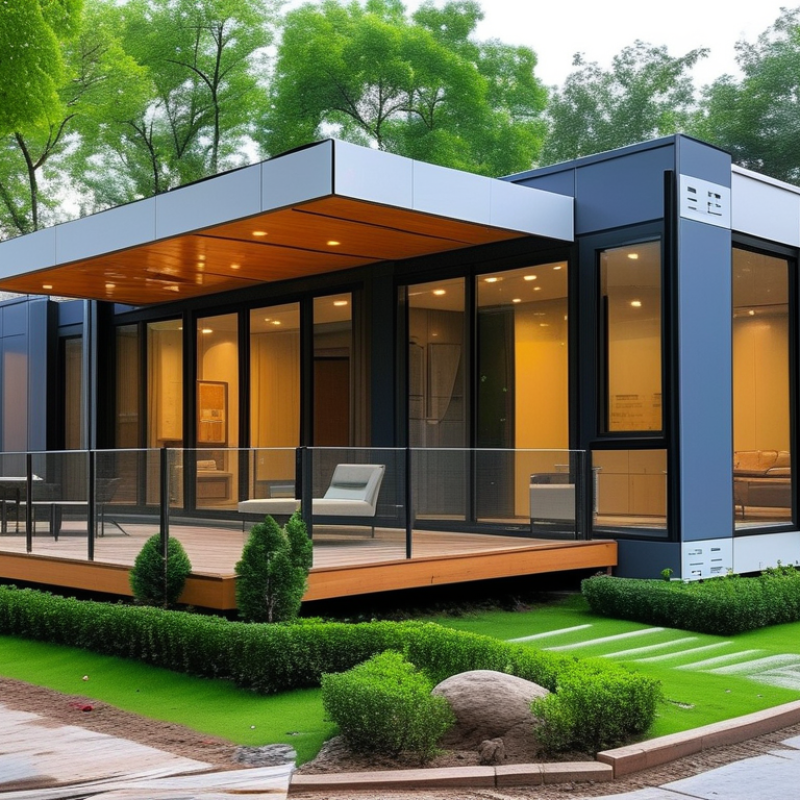
Modular housing and traditional housing each offer unique advantages and challenges. Modular homes are built in sections in a factory and then assembled on-site. This process can lead to faster construction times. Most modular homes are designed with energy efficiency in mind, which can result in lower utility costs. They often utilize modern materials that promise durability. However, some buyers still perceive them as less stylish or customizable.
Traditional housing typically involves a site-specific build. These homes often reflect unique architectural designs. Buyers may appreciate the craftsmanship associated with traditional homes. The customization options can also be more extensive. However, this often translates to higher costs and longer wait times. Some traditional homes may struggle with energy efficiency, which leads to increased long-term expenses. Balancing these factors is crucial for prospective buyers.
Understanding both housing types is important for informed decision-making. Each offers distinct experiences. Buyers should weigh their priorities, such as budget, design, and energy use. While modular homes may seem practical, traditional houses hold sentimental value for many. Reflecting on personal needs is essential for making the right choice.
When comparing modular and traditional housing, the construction processes reveal significant differences. Modular homes are built off-site in sections or modules. They are assembled on-site, usually within days. This pre-fabrication allows for efficient use of materials, reducing waste. However, weather can disrupt timing, affecting delivery schedules.
In contrast, traditional homes are constructed entirely on-site. This process can take months or even years. Each phase, from pouring the foundation to roofing, is dependent on various factors, including weather and labor availability. Consequently, traditional builds can experience delays. This unpredictability can be frustrating for buyers eager to see their new home completed.
The speed of modular construction is appealing. Yet, it may not offer the same level of customization seen in traditional homes. Buyers may find themselves pondering whether rapid assembly sacrifices uniqueness. Weighing these considerations can be challenging. Ultimately, the choice between modular and traditional housing hinges on personal priorities and timelines.
When considering housing options, the cost is always a crucial factor. Modular homes generally present a more affordable path for buyers. They are constructed in a factory setting, often leading to lower labor costs. This efficiency can translate into savings of 10-20% compared to traditional housing. However, the price can vary considerably based on location, size, and design.
On the other hand, traditional homes often entail higher costs. These include expenses for land, permits, and construction delays. Buyers may find hidden costs during the build, which can surprise them. The cost of traditional housing often depends on individual preferences and customizations. While many appreciate the unique value of traditional homes, it’s essential to weigh these factors against budget constraints.
Ultimately, both options have their merits and pitfalls. Modular housing offers quick construction and lower expenses. Traditional housing allows for personalization but can lead to unexpected expenses. Understanding these financial implications is crucial for informed decision-making.
This chart compares the average cost per square foot of modular housing versus traditional housing. As shown, modular housing is significantly more cost-effective, providing a modern solution for homebuyers.
When it comes to design flexibility and customization options,
modular housing stands out in significant ways. According to a recent report from
the Modular Building Institute, modular homes can be tailored to individual tastes more easily than traditional homes.
This is largely due to the factory-controlled environment in which modular homes are built.
In this setting, homeowners can precisely specify layouts, finishes, and features. This means you can create a truly unique
space that reflects personal style.
In contrast, traditional housing often involves rigid designs and limited choices. Customization usually comes at a premium.
Homebuyers may find themselves constrained by existing floor plans
and the external factors of the building site. The cost of reworking traditional home designs can escalate quickly, leading to
budget overruns. A National Association of Home Builders survey revealed that
66% of buyers prioritize design flexibility in their decision-making process.
This demonstrates the growing demand for homes that can match diverse lifestyles and preferences.
While modular homes offer many advantages, there are areas needing re-evaluation. For instance, perceptions of quality can vary among
buyers. Some may wonder about durability compared to traditional construction methods. It's essential for potential buyers to delve
into these aspects. Seeking out independent assessments and peer reviews can provide valuable insights. Such reflections help ensure
that you make a well-informed decision.
When considering housing options, sustainability and energy efficiency stand out. Modular homes often utilize advanced construction techniques. They are built in controlled environments, reducing waste and energy use during production. This often results in better insulation, which can lower heating and cooling costs over time.
In contrast, traditional homes may not always incorporate the same eco-friendly practices. Many rely on conventional materials that can have a larger carbon footprint. The energy efficiency of traditional homes largely depends on their design and location. Buyers need to evaluate how each option aligns with their environmental values.
Each housing type has its pros and cons. A modular home may appeal due to its faster construction and reduced waste. However, some buyers prefer the character of traditional homes. Evaluating long-term energy costs and environmental impact is vital. Decisions made today will affect future resources.
: Modular homes can be constructed faster and are typically designed for energy efficiency. This can lower utility costs.
Traditional homes are built entirely on-site, which can take months or years, affected by various factors like weather.
Yes, modular homes offer more design flexibility compared to traditional homes, allowing for tailored layouts and finishes.
Customizing traditional homes often costs more and can lead to budget overruns. Design choices may also be limited.
Some buyers question the durability of modular homes compared to traditional builds, emphasizing the need for independent assessments.
Energy-efficient homes can lower long-term expenses, a critical factor to consider for sustainability and savings.
Weather conditions can disrupt delivery schedules, potentially delaying the assembly of modular homes on-site.
Buyers need to consider budget, design preferences, and energy use to make an informed decision about their future home.
Some buyers perceive modular homes as less stylish than traditional ones, creating a challenge for those prioritizing aesthetics.
Many buyers worry about the unpredictability of construction timelines, which can be frustrating when waiting for completion.
When considering how to compare modular vs traditional housing, it's essential to evaluate several key aspects. The construction processes and timeframes for modular homes often offer significant advantages, as they can be built more swiftly due to their factory-based manufacturing. In contrast, traditional homes can involve longer timelines due to site work and weather-related delays.
Cost analysis plays a crucial role in this comparison. Modular homes typically provide a more budget-friendly option without sacrificing quality, whereas traditional housing may incur additional expenses in labor and materials. Furthermore, the design flexibility and customization options are generally greater with modular housing, allowing buyers to tailor their homes more to their liking. Finally, sustainability and energy efficiency are pivotal considerations; modular homes often incorporate advanced techniques that enhance efficiency, making them a compelling choice for environmentally-conscious buyers.

Shupshy Container