In today's rapidly changing world, housing solutions are more critical than ever. Global buyers seek innovative options that balance affordability and quality. Modular integrated housing represents one such solution. But how does modular integrated housing work? This approach utilizes pre-fabricated sections, constructed in factories, and assembled on-site.
This method allows for efficient use of materials and labor. Furthermore, it can be tailored to various climates and cultural needs. It’s an attractive choice for many, but not without challenges. Some criticize the aesthetic variety and customization options. Others question the long-term durability of these structures.
Despite its potential, potential buyers should be aware. Market understanding is essential to make informed decisions. Modular integrated housing has a promising future, yet it requires thorough evaluation. For global buyers, this housing model could redefine living standards. However, an open-minded approach is crucial as they navigate these innovative landscapes.
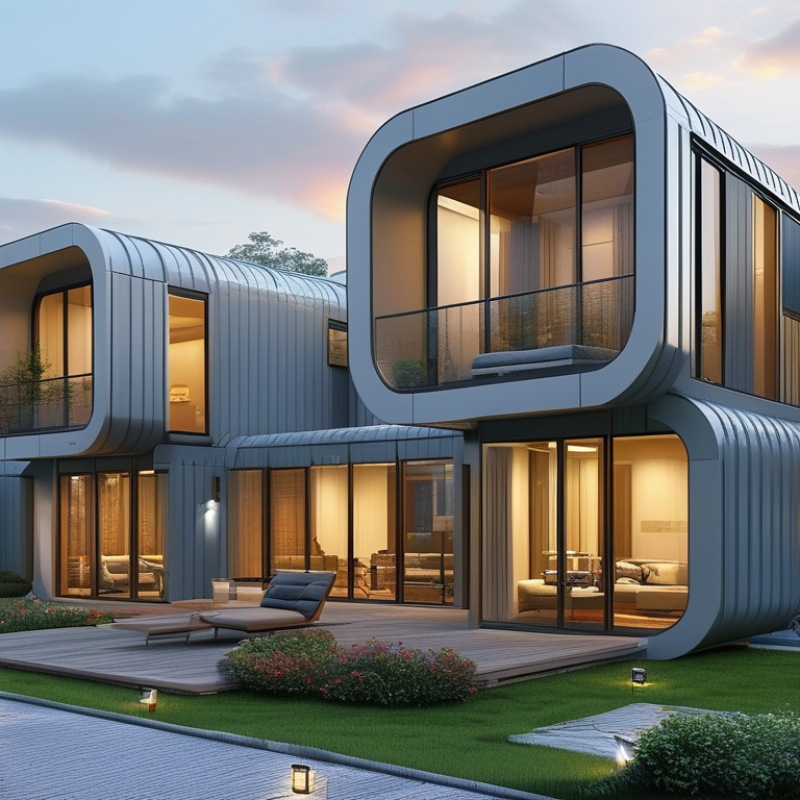
Modular integrated housing is changing the way we think about global living solutions. This approach uses prefabricated modules that are manufactured off-site. They are then transported and assembled on location. This method reduces construction time and minimizes waste, addressing sustainability concerns.
Global buyers are attracted to this innovative solution for several reasons. First, affordability is a key factor. Modular homes often cost less than traditional houses. However, buyers should consider potential drawbacks such as zoning restrictions. Some areas may have strict regulations. Additionally, the quality of materials can vary widely, impacting long-term durability.
Cultural acceptance also plays a role in the success of modular housing. Different regions may have specific preferences in design and functionality. This presents challenges for manufacturers trying to standardize products. Flexibility remains essential. A one-size-fits-all approach does not apply when catering to diverse global markets. Adapting designs to local tastes can be complex yet crucial for success.
Modular integrated housing offers a streamlined solution for global buyers seeking efficient and sustainable living options. This innovative approach combines prefabricated modules that are constructed offsite, allowing for rapid deployment and reduced waste. Each module is designed to meet specific needs, from individual homes to larger multi-family units.
Key components include structural modules, utility systems, and interior finishes. The structural elements provide durability and can adapt to different climatic conditions. Utilities integrate plumbing, electrical, and HVAC systems, ensuring modern comforts. Interior finishes can vary significantly, tailoring the space to the homeowner's tastes.
Tip: Research local building regulations before purchasing. While modular housing is flexible, compliance is crucial for successful placement.
Customization plays a large role in modular housing. Buyers can choose layouts and materials to reflect personal style. However, it’s essential to balance aesthetics with function.
Tip: Consider long-term maintenance. Some materials require more upkeep than others. Taking a thoughtful approach will yield a better fit for your lifestyle.
Although modular integrated housing showcases many advantages, potential challenges do exist. The logistics of transport and assembly can be complex. Issues like site preparation and installation difficulties are common. Always plan ahead to avoid delays.
Modular housing presents exciting advantages for international buyers. This innovative approach offers flexibility and speed. Homes can be assembled quickly, often in weeks rather than months. This is particularly beneficial in areas with urgent housing needs.
Additionally, modular homes reduce construction waste. Factories can recycle materials more efficiently than traditional sites. This sustainability aspect appeals to many buyers today. However, potential challenges remain. Adapting these homes to local climates might require adjustments, which could complicate the process.
Cost-effectiveness is another key advantage. Modular homes typically have lower labor costs. Buyers often find competitive pricing, making it easier to enter new markets. On the flip side, the resale value can fluctuate, depending on location and demand. Despite some drawbacks, modular integrated housing remains a compelling option for global consumers.
Global buyers face numerous challenges in the modular housing market. One major issue is the varying standards across countries. Compliance with local building codes can complicate the import process. Buyers often struggle to navigate these regulations, leading to delays. Each region has its own requirements, making planning more complex.
Another challenge is the difference in construction practices. Modular housing often relies on advanced technology. However, not all regions have the same level of access to technological resources. This can result in inconsistent quality. Buyers may experience dissatisfaction with the delivered units. It’s crucial for buyers to conduct thorough research about local capabilities and limitations.
Finally, logistics can be a significant hurdle. Transportation of modular units can be costly and time-consuming. Many buyers underestimate these expenses. Issues such as weather delays and unexpected tariffs can further complicate matters. With careful planning and foresight, buyers can mitigate some challenges, but not all can be anticipated. Understanding these complexities is vital for successful investments.
| Challenge | Description | Impact | Solution |
|---|---|---|---|
| Regulatory Compliance | Understanding and meeting local building codes and regulations can be challenging for international buyers. | Potential delays in construction and increased costs. | Collaborate with local experts or hire consultants to navigate regulations. |
| Supply Chain Issues | Logistical challenges in transporting modules across borders can affect timelines. | Delays in delivery and increased transportation costs. | Establishing local manufacturing or sourcing strategies to minimize transport. |
| Cultural Differences | Different expectations and preferences in architecture and interior design may lead to dissatisfaction. | Misalignment of product offerings with market demands. | Conducting market research to understand local tastes and trends. |
| Financing Challenges | Securing funding for modular projects might be complex due to unfamiliarity with the product. | Difficulty in acquiring loans or investment, leading to project delays. | Engaging with financial institutions that have experience in modular housing. |
| Quality Control | Ensuring consistent quality across different manufacturing facilities can be a concern. | Potential variations in quality leading to buyer dissatisfaction. | Implementing strict quality assurance measures and standards across all production sites. |
Modular integrated housing is transforming the global real estate landscape. This innovative approach focuses on creating homes that are efficient and sustainable.
Buyers are drawn to prefabricated modules for various reasons, such as affordability, reduced construction time, and minimal waste. These homes can be personalized, allowing buyers to choose layouts and finishes that suit their needs.
Future trends point toward increased automation in the design process. Advanced technology may enable real-time customization and virtual walkthroughs. However, there are challenges. The market demands rigorous standards to ensure safety and durability. The speed of innovation might outpace regulatory frameworks, leading to potential quality issues. Stakeholders must remain vigilant regarding these risks.
Sustainability remains a focal point. Integrated housing can utilize renewable materials and energy-efficient systems. This commitment is vital given climate change. Buyers are more environmentally conscious today, pushing for greener alternatives. Yet, it is crucial to remain aware of the balance between sustainability and cost. There is still much to consider as the industry evolves.
: Modular housing offers flexibility and speed in assembly. Homes can be built in weeks, which is crucial for urgent needs.
Modular homes can reduce waste, as factories recycle materials more efficiently than traditional construction methods.
Adjusting modular homes to local climates may require significant modifications, complicating the building process.
Yes, they usually have lower labor costs and competitive pricing, making it easier to enter new markets.
Resale value can vary based on location and demand, which may be a concern for buyers.
Advances in automation may allow real-time customization, enhancing buyer experiences and options.
Sustainability is crucial. Buyers increasingly prefer homes that use renewable materials and energy-efficient systems.
Yes, buyers can choose layouts and finishes that align with their preferences and needs.
Rapid innovation may outpace regulations, potentially leading to safety and quality issues in new designs.
There often needs to be a balance between sustainability efforts and overall costs in modular home construction.
Modular integrated housing is an innovative approach that offers global buyers efficient and customizable living solutions. Understanding how does modular integrated housing work involves recognizing its key components, such as prefabricated modules that are manufactured off-site and then assembled on location. This method not only accelerates the construction process but also allows for significant cost savings and enhanced quality control.
Despite its advantages, international buyers face challenges, including varying regulations, cultural preferences, and the need for local partnerships. However, as global markets evolve, future trends indicate a growing acceptance of modular housing, driven by sustainability and urbanization. Overall, modular integrated housing presents a promising option for accommodating the diverse needs of buyers worldwide while addressing modern housing demands.

Shupshy Container