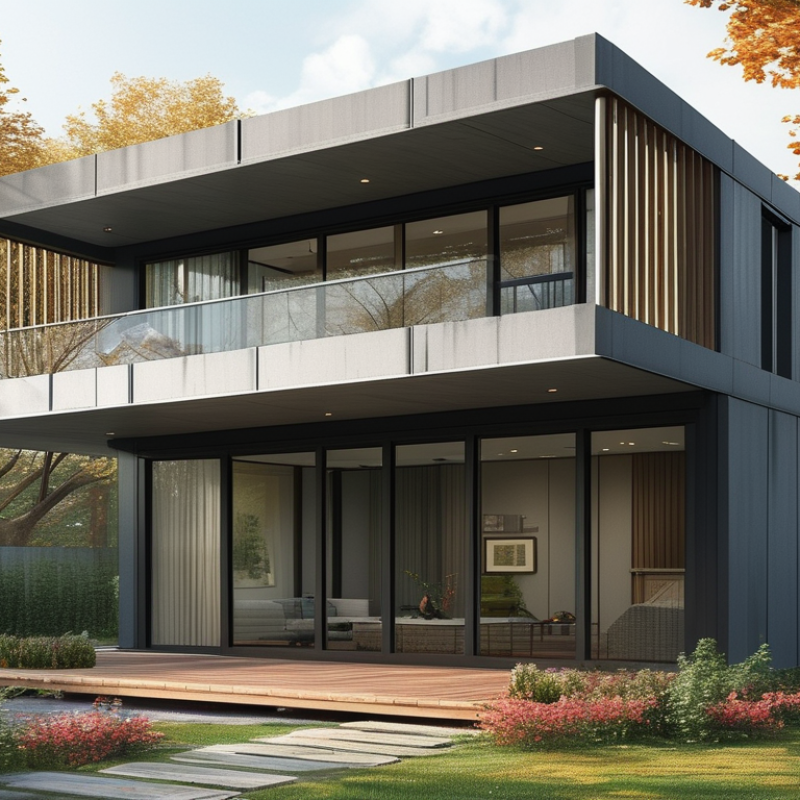
In recent years, the popularity of modular housing has surged. Many people are asking, "can modular housing be customized for your needs?" Modular homes offer flexibility that traditional homes often lack. These structures, built off-site, allow for various designs and layouts. This adaptability makes them appealing to diverse lifestyles and preferences.
Customization in modular housing is not just a trend; it’s a necessity for many. Families want spaces that fit their unique requirements. For instance, a growing family might need additional bedrooms or a home office. On the other hand, empty nesters may prefer open, airy designs with fewer walls. Yet, it’s essential to consider the limitations. Some designs may not accommodate every wish and budget.
As you explore modular housing, think critically about your needs. Examine what truly matters in your living space. While customization offers many options, it can sometimes lead to overwhelming choices. Therefore, a thoughtful approach is vital. Understanding how modular housing can be tailored to your needs is just the beginning of your journey.
Modular housing is an innovative solution that transforms traditional construction methods. It uses pre-fabricated sections built in a factory, allowing for quick assembly on-site. This method increases efficiency and decreases waste. Each unit can be tailored to fit specific needs and styles, making modular housing a versatile choice for many.
When considering modular housing, it's important to prioritize your needs. Assess the space requirements for your family or lifestyle. Think about future needs, not just current ones. Often, buyers overlook important details like storage solutions or outdoor spaces.
Tips: Explore different layouts and designs. Visit a modular home site if possible. Gain insights on how spaces flow together. Additionally, keep communication open with your builder. Ask questions about materials and timelines. Being proactive helps manage expectations.
Modular homes can be customized, but research is key to achieving the right fit for your lifestyle.
Modular housing offers a unique solution for those seeking customization. One key benefit is the flexibility in design. Buyers can choose the layout, size, and style of their homes. This adaptability can lead to a living space that truly reflects individual needs and preferences. For instance, families may prefer open-concept designs, while couples may want cozy, intimate spaces.
Another aspect to consider is the cost efficiency of customizable modular homes. By tailoring the design to your specifications, you can control expenses while ensuring that every element serves a purpose. This can prevent the waste of resources on unnecessary features. However, it’s essential to balance wishes with budget constraints, as the allure of customization can sometimes lead to overspending.
Customization also allows for sustainable choices. Homeowners can integrate eco-friendly materials or smart home technology within their designs. Yet, the challenge lies in making choices that are both practical and desirable. These decisions can become overwhelming without proper guidance. Engaging with experts can enhance the experience and lead to a more satisfying outcome.
Modular housing offers flexibility, but customization is influenced by several critical factors. One key aspect is design preferences. Many homeowners desire open floor plans or specific room dimensions that better fit their lifestyle. According to a 2022 study by the Modular Home Builders Association, 70% of buyers prioritize customizable layouts. This trend highlights the importance of personal touches in modular homes.
Another factor is environmental sustainability. Increasing awareness has shifted many preferences toward energy-efficient materials and designs. Reports show that about 40% of prospective buyers are willing to invest in eco-friendly options. Integrating renewable energy solutions can boost long-term savings. However, it complicates the customization process due to varying regional regulations and available resources.
Budget constraints often challenge homeowners. While modular homes can be cost-effective, customization can drive prices up. A 2021 National Association of Home Builders report states that 55% of buyers face unexpected costs during the customization process. This unpredictability can lead to frustration. Reflecting on this, potential buyers should carefully outline priorities before starting their journey.
Modular housing is increasingly recognized for its adaptability. Many homeowners are keen to customize their living spaces. Popular options often include alternative layouts and energy-efficient features. About 70% of buyers express interest in modifying space configurations. This reflects a push towards innovative home designs that prioritize individuality.
Sustainability is another major trend. Customizations like solar panels and green building materials are gaining traction. According to industry reports, homes with such features have a 30% higher resale value. The demand is evident among environmentally conscious buyers. However, customization can lead to increased costs. Homeowners must weigh desires against budget realities.
Aesthetics also play a crucial role. Color schemes, exterior finishes, and interior layouts can be personalized. Yet, striking the right balance is essential. Over-customization can render a home less appealing to prospective buyers. Achieving a unique space while ensuring marketability is a common challenge. This reflects the need for thoughtful decision-making in the customization process.
| Customization Option | Description | Benefits |
|---|---|---|
| Floor Plans | Choose from various layouts or create a custom arrangement. | Maximizes space utilization and suits personal preferences. |
| Exterior Finishes | Select materials and colors for siding, roofing, and more. | Enhances curb appeal and reflects individual style. |
| Interior Features | Customize fixtures, cabinetry, and flooring materials. | Creates a comfortable and personalized living space. |
| Energy Efficiency | Incorporate solar panels, energy-efficient windows, and insulation. | Reduces utility costs and environmental impact. |
| Room Additions | Add extra rooms or expand existing spaces. | Increases home value and accommodates growing needs. |
| Smart Home Technology | Integrate smart systems for security, lighting, and climate control. | Enhances convenience and energy management. |
The future of customized modular housing solutions looks promising. These structures offer flexibility in design. Homeowners can personalize their spaces to fit unique lifestyles. From layout adjustments to material selections, customization options abound. This adaptability appeals to many who crave individuality in their homes.
However, challenges remain. Some modular systems may have limitations in design variations. The transition from concept to reality can be complex. It’s essential to work with professionals who can guide this process. Collaboration with experienced architects enhances the potential for customization. This expertise ensures that designs are not only appealing but also functional and sustainable.
Potential buyers should consider their specific needs carefully. What works for one family may not be suitable for another. Focus on how each modification impacts daily living. An informed approach can lead to a truly personalized modular home.
: Modular housing allows for flexibility in design, enabling buyers to select layouts, sizes, and styles that fit their needs.
Customizing designs helps control expenses and avoid spending on unnecessary features, though balancing desires with budget is crucial.
Homeowners can use eco-friendly materials and smart technology, but making practical choices can be challenging without expert help.
Design preferences, environmental sustainability, and budget constraints significantly impact customization choices for prospective homeowners.
Increasing interest in energy-efficient options has made nearly 40% of buyers interested in eco-friendly materials and designs.
Customization can lead to unexpected costs, with about 55% of buyers experiencing financial surprises during the process.
Working with experienced architects enhances the design process, ensuring that choices are appealing, functional, and sustainable.
Each family's needs are unique, and understanding their impact on daily living can lead to more personalized modular homes.
Yes, some modular systems may offer limited design options, making it essential to consider the impact of those limitations.
Expert advice can simplify overwhelming decisions and improve the satisfaction of the final modular home outcome.
The article "Can Modular Housing Be Customized for Your Needs?" explores the flexibility and adaptability of modular housing. It begins by explaining the concept of modular housing, highlighting how these prefabricated structures are constructed in sections and assembled on-site. The customization of modular homes offers numerous benefits, including tailoring designs to individual preferences, optimizing space, and enhancing functionality.
Key factors influencing the level of customization include budget, available materials, and local building codes. The article also discusses popular customization options, such as layout adjustments, interior finishes, and eco-friendly features. Looking ahead, the future of customized modular housing appears promising, with increasing trends toward personalization and sustainable solutions, making it clear that indeed, modular housing can be customized to meet diverse needs and lifestyles.
Shupshy Container