How Fast Can Modular Housing Be Built for Global Buyers

Time:2026-08-20 Author:Aria
0%

As the world faces housing shortages, modular housing presents a viable solution. Many are eager to know, how fast can modular housing be built? This innovative approach leverages prefabrication techniques to enhance construction speed and efficiency. By using factory-built components, project timelines can be significantly reduced.

However, the speed of building modular homes can vary based on several factors. Each project requires careful planning, local regulations, and site readiness. These elements can influence the overall timeline. Additionally, while modular construction can be faster, the quality and design must not be compromised for speed.

Moreover, the growing interest in modular housing from global buyers indicates a shift in housing preferences. Potential homeowners seek quick solutions without sacrificing comfort or sustainability. Industry leaders emphasize the need for continuous improvement. While modular housing shows promise, challenges still exist in standardization and scalability. Addressing these issues will be crucial for meeting the global demand effectively.
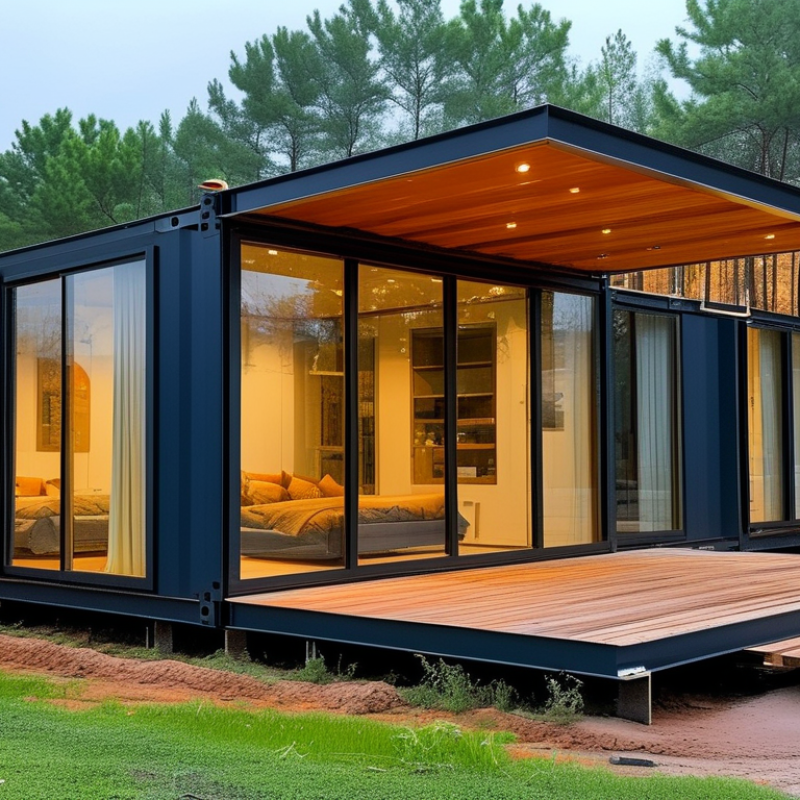
How Fast Can Modular Housing Be Built for Global Buyers

Advantages of Modular Housing for Global Buyers

Modular housing offers significant advantages for global buyers. Its construction process is faster than traditional building methods. Factory assembly allows for efficiency and precision. This method reduces waste and minimizes delays caused by weather. Components can be shipped globally, making it easier to reach various markets.

Quality control is enhanced in a factory setting. Each module undergoes strict inspections before shipment. This ensures a higher standard of construction. Buyers receive homes that are durable and reliable. Customization options abound. Buyers can choose designs that fit their local cultures and preferences.

However, challenges exist. Local regulations may complicate installations. Some areas might lack infrastructure for modular units. Buyers should consider these factors carefully. Sustainable practices are also important. Ensuring eco-friendly materials in designs can help meet global sustainability goals. These reflections can lead to better decisions in the modular housing sector.

Timeline for Modular Housing Construction Processes

The timeline for modular housing construction processes reveals significant efficiencies. According to a report by the Modular Building Institute, modular projects can be completed in 30% less time than traditional builds. This efficiency is driven by parallel construction methods and reduced site disruptions. Factory production allows teams to work on multiple modules simultaneously, speeding up overall delivery.

Typically, a well-coordinated modular project may see completion within 12 weeks. However, this can vary depending on the complexity of the design and local zoning regulations. Some projects experience delays due to permit approvals, which can extend timelines significantly. Transparency in the timeline is critical for buyers. They must understand potential pitfalls early in the process to avoid frustrations later on.

In areas with high demand, the compressed timeline of modular housing becomes crucial. Reports indicate that urban housing shortages could be addressed effectively through modular solutions. Still, builders must balance speed with quality control. Ensuring structural integrity while meeting aesthetic standards can be challenging. Developers should continuously assess their processes. Addressing these complexities is vital for achieving successful outcomes in the modular housing sector.

Factors Impacting the Speed of Modular Home Production

Modular housing has gained traction as a solution to the global housing crisis. The speed of production varies based on several factors. One crucial element is factory location. A factory close to the market can reduce transportation delays and costs. Industry reports indicate that building modular homes can be completed up to 50% faster than traditional methods.

Another influential factor is the technology used in manufacturing. Modern automation can streamline the assembly process. A study from the Modular Building Institute shows that advancements in robotics can enhance efficiency by 30%. However, not all companies readily adopt new technologies. This reluctance may stem from high initial investments and workforce training needs.

Weather conditions can also impact production timelines. Rain, snow, or extreme temperatures can delay both construction and transportation. Furthermore, skilled labor shortages can lead to project slowdowns. Reports suggest that the construction industry faces a workforce gap, with an expected shortfall of 600,000 workers by 2025. This reality raises questions about the sustainability of rapid production rates for modular homes. As the market grows, addressing these challenges will be vital for future success.

Comparative Analysis of Modular vs. Traditional Housing Build Times

Modular housing has emerged as a compelling alternative to traditional construction methods, particularly in terms of build times. Recent studies indicate that modular homes can be completed in as little as 12 to 16 weeks. In contrast, traditional housing often requires 6 to 12 months for construction, depending on various factors such as labor availability and weather conditions. For instance, a 2021 report by the Modular Building Institute highlighted that modular construction can save up to 50% in build time, significantly benefiting global buyers facing tight deadlines.

Despite the advantages, there are challenges within the modular construction sector. Quality control can vary widely among manufacturers, leading to concerns about durability and compliance with local codes. A review by Construction Dive noted that nearly 25% of modular projects faced delays due to permitting issues. Additionally, the perception of modular homes as lower quality persists, even though many modern designs rival traditional builds. Buyers must weigh these factors carefully to avoid potential pitfalls associated with speed versus quality.

As the demand for housing continues to rise globally, the modular sector must address these complexities. Industry experts advocate for improved collaboration between manufacturers and local authorities. This partnership can streamline processes and enhance the reputation of modular housing. As the market evolves, ongoing research and feedback from buyers will be crucial for addressing these imperfections and building a more trustworthy framework for modular construction.

Case Studies of Rapid Modular Housing Projects Worldwide

Modular housing projects are reshaping the global real estate landscape. They promise speed, efficiency, and the ability to meet urgent housing needs. For example, in response to disaster, rapid modular housing can be deployed swiftly. One notable project in Haiti involved assembling homes in just a few days after an earthquake.

In another instance, a modular project in the UK showed promise for efficiency. Pre-manufactured components were built off-site and assembled on location. The whole process took weeks instead of months. However, challenges remain, such as local regulations and community perceptions towards modular homes. Some critics argue that the modular approach can lead to uniformity and may lack character.

Australia also explored rapid modular solutions for its housing crisis. In Perth, teams constructed entire neighborhoods in record time. Yet, concerns about sustainability and long-term living conditions surfaced. As cities adapt to growth, the quest for better modular designs continues. Balancing speed and quality is vital for the success of future projects.

How Fast Can Modular Housing Be Built for Global Buyers - Case Studies of Rapid Modular Housing Projects Worldwide

Project Location Completion Time (Days) Number of Units Key Features Sustainability Rating
City A 45 100 Energy-efficient, Smart home technology Certified Green
City B 60 150 Modular design, Quick assembly LEED Gold
City C 90 200 Affordable, Community-focused BREEAM Very Good
City D 30 80 High-tech materials, Low carbon footprint Energy Star
City E 75 130 Adaptable spaces, Eco-friendly Net Zero

FAQS

: What are the main benefits of modular housing?

: Modular housing offers quicker construction and enhanced quality control. It reduces waste and can be globally shipped.

How much time does modular housing save compared to traditional housing?

Modular housing can be completed in 12 to 16 weeks, saving up to 50% in construction time compared to traditional methods.

Are there challenges associated with modular housing?

Yes, issues like local regulations and infrastructure limitations can complicate installations. These must be considered before purchasing.

How does factory assembly impact quality?

Factory assembly improves quality. Each module goes through strict inspections to ensure durability and reliability for buyers.

What customization options are available for modular housing?

Buyers can choose designs that suit their local cultures and personal preferences, ensuring homes meet their specific needs.

How can buyers ensure sustainable practices in modular housing?

It's important to select eco-friendly materials during the design process to align with global sustainability goals.

Why is understanding the timeline of modular housing important?

Transparency in the timeline helps buyers avoid frustrations. Delays due to permits can significantly extend the project duration.

What can negatively impact the reputation of modular homes?

Perceptions of lower quality and varying standards among manufacturers can hinder acceptance. Ongoing evaluation is needed for improvement.

How does demand affect the construction of modular housing?

High demand for housing makes the quick timeline of modular construction essential to address urban shortages effectively.

What should buyers reflect on before choosing modular housing?

Buyers must weigh the speed of construction against the potential quality issues to make informed decisions.

Conclusion

In the discussion of "how fast can modular housing be built," the advantages of modular housing for global buyers become evident. Modular homes can be constructed significantly quicker than traditional houses, offering benefits like cost efficiency and reduced waste. The construction process typically involves a well-defined timeline, often allowing for completion in weeks rather than months due to factory fabrication and streamlined assembly on-site.

Several factors can impact the speed of modular home production, including design complexity, local regulations, and supply chain dynamics. A comparative analysis highlights that while traditional housing builds can face delays from weather and labor shortages, modular projects can offer quicker turnarounds. Case studies from around the world illustrate successful rapid modular housing initiatives, showcasing how adaptability and efficiency can meet the urgent demand for affordable housing solutions globally.

Aria

Aria

Aria is a dedicated marketing professional with a deep passion for innovative strategies and a keen understanding of our company's product offerings. With a wealth of experience in the industry, Aria excels at crafting engaging content that highlights the unique features and benefits of our......