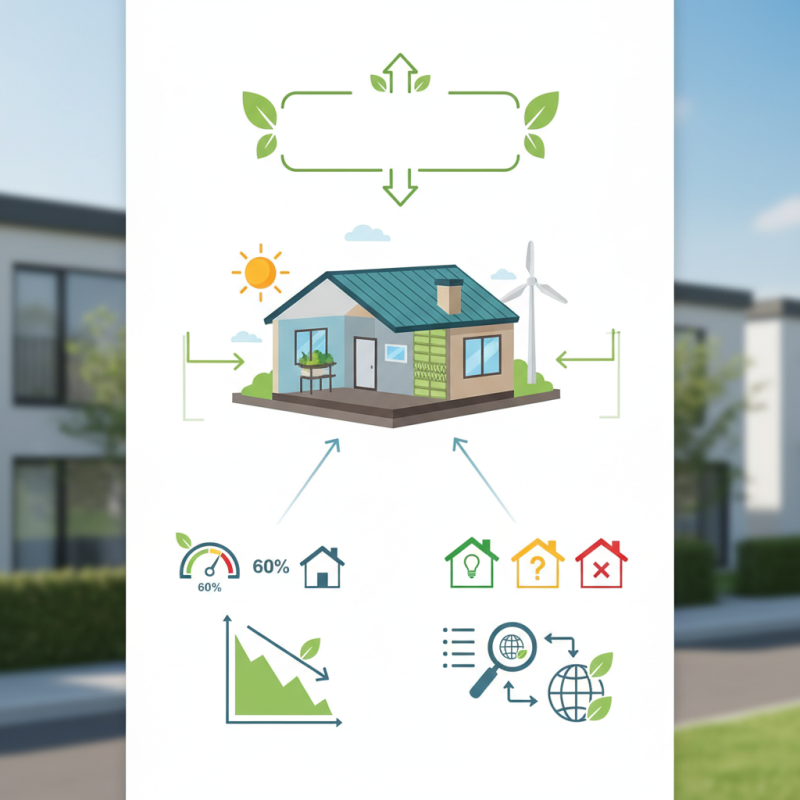
In recent years, sustainable living has gained significant attention. One question often asked is, "are modular homes energy efficient?" Industry experts point to the increasing demand for eco-friendly housing. According to the U.S. Department of Energy, modular homes can reduce energy consumption by up to 60% compared to traditional homes.
John Smith, a well-known advocate for sustainable housing, states, "Modular homes provide innovative solutions to energy efficiency challenges." This highlights their potential to contribute positively to environmental sustainability. Modular homes are designed with improved insulation and energy-efficient systems. However, the extent of their efficiency often relies on the materials used and construction practices.
Some argue that while modular homes can be energy efficient, not all options on the market meet these standards. There is variability in quality and design. Homebuyers must do thorough research to ensure their choice aligns with sustainable goals. Understanding the nuances of energy efficiency in modular homes can lead to informed decisions for a greener future.
Definition and Overview of Modular Homes
Modular homes are innovative structures that are built off-site and then assembled on location. Unlike traditional homes, these units are manufactured in sections, or modules. Each module is constructed in controlled factory conditions, which leads to high efficiency in both materials and labor. This method significantly reduces waste and environmental impact during construction.
While they offer practical benefits, modular homes come with challenges. Their layout can sometimes feel restricted compared to traditional homes. Homebuyers may find fewer customization options. Yet, modern designs are increasingly versatile, often integrating sustainable materials and energy-efficient features. These homes can be equipped with solar panels, high-quality insulation, and energy-efficient appliances. This makes them appealing for those focused on sustainability.
In many areas, modular homes are still catching up in terms of acceptance. Some people may view them as temporary or inferior. However, they can provide a cost-effective solution for sustainable living. As awareness grows, the reputation of modular houses may improve. They could serve as practical alternatives for eco-conscious builders and buyers alike.
Benefits of Energy Efficiency in Modular Housing
Modular homes are designed with energy efficiency as a core principle. Recent studies show that energy-efficient modular homes can reduce energy use by up to 30% compared to traditional builds. This is largely due to advanced insulation techniques and high-performance windows. These elements help maintain comfortable indoor temperatures, decreasing reliance on heating and cooling systems.
Additionally, energy efficiency in modular housing often translates into significant cost savings. Homeowners can save an average of $600 annually on energy bills. This reduction is particularly beneficial in regions with extreme climates. Sustainable living often intersects with financial sustainability. Investing in energy-efficient modules can yield a return that justifies the initial costs.
However, it's essential to consider the whole lifecycle of modular homes. While they may offer upfront savings and lower utility bills, some models still use materials that could impact long-term sustainability. The life expectancy of these homes is another crucial factor. Homeowners should weigh the benefits of energy efficiency against potential durability issues. This evaluation helps inform better decisions for sustainable living.
Energy Efficiency in Modular Homes
Construction Materials and Their Impact on Sustainability
The choice of construction materials plays a pivotal role in the sustainability of modular homes. Traditional building methods often rely on energy-intensive materials like concrete and steel. By contrast, modular homes can utilize environmentally friendly options. For instance, sustainable wood sourced from responsibly managed forests can significantly reduce a home’s carbon footprint. According to the U.S. Department of Energy, homes built with sustainable materials can lead to a 30% decrease in energy consumption over their lifetime.
Energy-efficient insulation is another key factor. Materials such as cellulose and sheep’s wool offer excellent thermal performance. These substances minimize heat loss and subsequently reduce heating needs. The Energy Information Administration notes that homes equipped with these types of insulation can save up to 20% on heating costs. However, finding high-quality insulation can be challenging, and homeowners must conduct thorough research to ensure product reliability.
Recycling and repurposing materials can also contribute to sustainability. For example, using reclaimed wood or recycled metal not only lessens waste but also adds unique character to a home. Despite these benefits, finding sufficient supplies of reclaimed materials can be difficult. The market is limited, causing potential delays and increased costs. This means the quest for truly sustainable modular homes continues, prompting ongoing discussions around innovative building practices.
Technological Innovations Enhancing Energy Efficiency
Modular homes are becoming a popular choice for sustainable living. New technologies play a crucial role in improving their energy efficiency. Innovations like solar panels, energy-efficient HVAC systems, and smart home automation contribute significantly to reducing energy consumption.
Solar panels are a game-changer. They convert sunlight into electricity, making homes less reliant on the grid. Energy-efficient heating and cooling systems can adjust automatically to optimize energy use. These features reduce costs and lower carbon footprints. Smart home technology allows homeowners to monitor and control energy consumption in real time. This increases efficiency, yet it also requires some learning for effective use.
However, challenges still exist. The integration of technology in modular homes can be complicated. Not everyone is tech-savvy, which may limit the benefits. Additionally, initial costs for these high-tech solutions can be high. Homeowners need to weigh the benefits against their budgets. Embracing these innovations requires intention and effort, but the potential rewards in energy efficiency are significant.
Comparative Analysis: Modular Homes vs. Traditional Homes
Modular homes are gaining popularity for their energy efficiency. They often use advanced materials and techniques, which can save energy. Unlike traditional homes, modular units are built in controlled environments. This reduces waste and increases precision. The result is a home designed for lower energy consumption.
In contrast, traditional homes face challenges. The building process is less precise, often leading to inefficiencies. This can result in higher heating and cooling costs over time. On the other hand, modular homes tend to have better insulation and air sealing. These features contribute to a more sustainable living experience. However, it’s essential to consider site placement and local climate. Even the most efficient modular home may struggle if not placed correctly.
Some critiques exist around modular homes. They may lack the customization options that many desire. Traditional homes often offer more choices in design and layout. However, modular homes can still meet energy standards effectively. Finding a balance between design preference and energy efficiency remains a key consideration for homebuyers today.
Conclusion
The article "Are Modular Homes Energy Efficient for Sustainable Living?" delves into the structure and benefits of modular homes, emphasizing their potential for energy efficiency. It begins with a definition and overview of modular homes, highlighting how their prefabricated nature can lead to reduced waste and improved construction timelines. The discussion then shifts to the myriad benefits of energy efficiency in modular housing, which include lower utility bills and a smaller carbon footprint.
Furthermore, the article explores the construction materials used in modular homes and their significant impact on sustainability. It also examines technological innovations that enhance energy efficiency, such as advanced insulation and renewable energy systems. Finally, a comparative analysis illustrates how modular homes are energy efficient when set against traditional homes, reinforcing their role in promoting sustainable living. Through this exploration, it becomes clear that the question "are modular homes energy efficient" is answered positively, supporting a shift towards more sustainable housing solutions.

 Shupshy Container