Modular housing systems offer a viable solution to the growing demand for sustainable living. According to recent studies, the modular construction market is expected to reach $157 billion by 2025. This growth emphasizes the need for effective maintenance practices to ensure longevity.
Understanding how to maintain modular housing systems is crucial. Regular inspections and updates can greatly enhance durability. Neglecting maintenance can lead to costly repairs and reduced lifespan. The National Association of Home Builders emphasizes that well-maintained systems can last up to 80 years.
Homeowners and builders must prioritize the right materials and construction techniques. Energy-efficient systems can minimize wear and tear, while regular updates keep homes resilient. Recognizing the flaws in current practices is vital. Many modular homes fail due to lack of proper care, highlighting the importance of proactive measures.
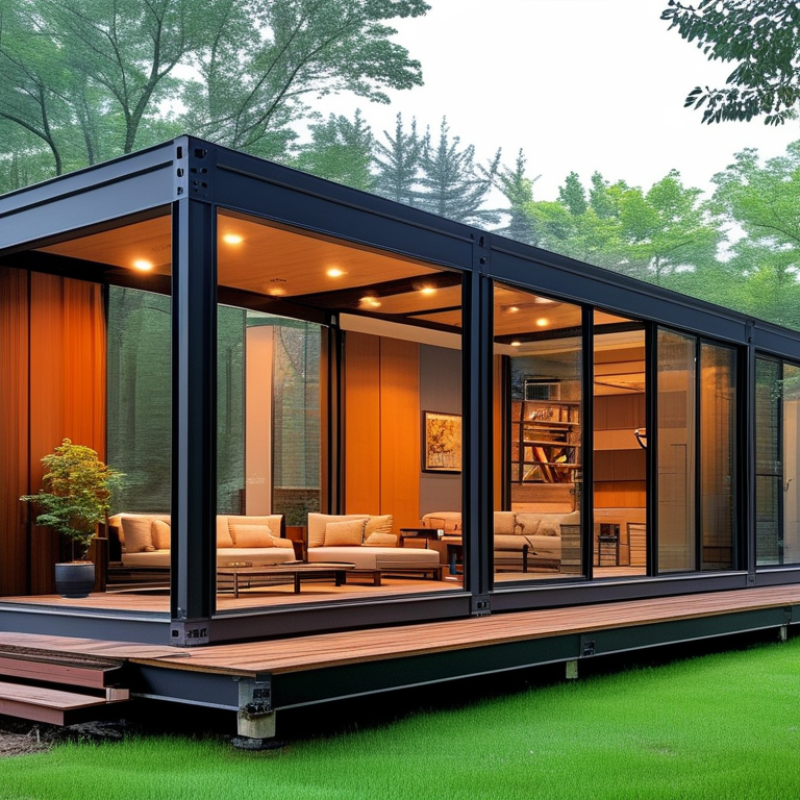
Modular housing systems have gained popularity due to their flexibility and cost-effectiveness. They are made up of factory-built components that can be assembled on-site. This method of construction reduces waste and shortens build times. According to a report by McKinsey & Company, modular construction can reduce project timelines by up to 50%. Despite these advantages, understanding the individual components is vital for longevity.
The key components of modular homes include structural modules, insulation, and mechanical systems. Each module must meet specific building codes and standards. Insulation plays a crucial role in energy efficiency. Poor insulation can lead to higher energy costs and discomfort. The U.S. Department of Energy highlights that proper insulation can save homeowners 20% in heating and cooling expenses. Regular inspections and maintenance of these components are essential.
Some modular homes have faced issues with settling and thermal bridging. These problems can lead to structural concerns if not addressed. Identifying and correcting these issues requires careful monitoring. Industry experts emphasize the importance of routine check-ups. By investing in proper care, homeowners can enhance the lifespan of their modular housing systems. This commitment is necessary for sustainable living.
| Component | Maintenance Task | Frequency | Notes |
|---|---|---|---|
| Roof | Inspect for damage and leaks | Bi-annually | Clear debris to prevent water damage |
| Walls | Check for cracks and stains | Annually | Address any signs of moisture |
| Foundation | Inspect for settling or movement | Every 2-3 years | Look for drainage issues |
| Plumbing | Check for leaks and water pressure | Annually | Flush water heater as needed |
| Electrical System | Inspect circuit breakers and outlets | Every 5 years | Consider having a professional evaluation |
: Modular housing systems consist of factory-built components assembled on-site. They are flexible and cost-effective.
It can reduce project timelines by up to 50%. This speeds up the overall construction process significantly.
Proper insulation improves energy efficiency. Poor insulation can lead to higher costs and discomfort for residents.
Regular inspections and maintenance of components are essential for longevity. This prevents potential structural issues.
Settling and thermal bridging can affect structural integrity. Identifying these issues requires careful monitoring and maintenance.
Using mobile apps and digital checklists streamlines inspections. This ensures that maintenance tasks are not overlooked.
Use eco-friendly materials for repairs. Installing energy-efficient appliances also helps in reducing utility bills and carbon footprint.
Harsh weather can wear down materials quickly. Regular evaluations of the home’s exterior are necessary to maintain integrity.
Regularly assess tech systems and gather resident feedback. This ensures that maintenance strategies remain effective and responsive.
Yes, preventive measures like sensors can monitor conditions and provide real-time data. However, their effectiveness must be regularly reviewed.
Maintaining modular housing systems is crucial for ensuring their longevity and structural integrity. Regular inspections are essential to identify any potential issues early on, helping to prevent costly repairs and extend the lifespan of the home. Best practices for maintenance include routine checks on the foundation, roof, and utility systems, as well as timely repairs to any wear and tear.
Additionally, environmental considerations play a significant role in the durability of modular housing. Sustainable materials and energy-efficient technologies can enhance the longevity of these homes while also reducing their ecological footprint. Leveraging technology for efficient maintenance management, such as using software to schedule inspections and track repairs, can streamline the process and ensure that homeowners know how to maintain modular housing systems effectively. By staying proactive in maintenance practices, homeowners can enjoy a safe and comfortable living environment for years to come.

 Shupshy Container