Modular integrated housing is gaining traction across various sectors. Understanding what industries use modular integrated housing can reveal its versatility. In recent years, industries such as construction, healthcare, and education have started to embrace these innovative solutions.
Construction firms are increasingly adopting modular housing for its efficient assembly. These structures can be built off-site and then transported to their final location, minimizing waste and reducing construction time. The healthcare sector also finds value in modular solutions. Hospitals benefit from quick deployment of temporary facilities when facing urgent situations like pandemics or natural disasters. Furthermore, educational institutions are exploring modular classrooms to accommodate fluctuating student populations.
While the advantages are clear, challenges remain. Local zoning laws and community acceptance can complicate deployment. Understanding these barriers is essential for widespread adoption. Overall, recognizing what industries use modular integrated housing can help identify opportunities and areas for improvement in this evolving field.
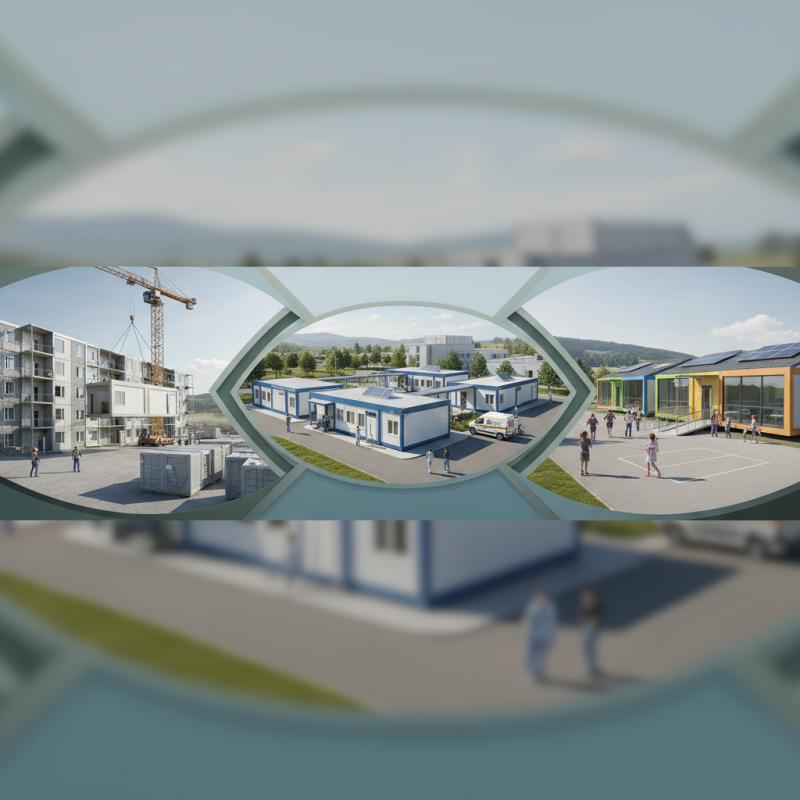
Industries Adopting Modular Integrated Housing Solutions
Modular integrated housing solutions are gaining traction across various industries. The construction sector is one of the primary adopters. Builders appreciate the efficiency and speed that modular homes offer. These structures can be erected quickly, which reduces labor costs. However, the challenge lies in ensuring quality control during production. Sometimes, rapid construction can lead to oversight, which may affect durability.
Healthcare facilities are also implementing modular housing. Hospitals and clinics use these solutions to build temporary units for patients. These units can be set up rapidly in response to emergencies, like pandemics. However, the design must meet strict health regulations. Balancing speed with safety can be a delicate task. Moreover, space constraints can limit flexibility in layout.
Educational institutions are exploring modular options for classrooms. Schools can expand quickly as student populations grow. This adaptability is crucial for meeting demand. However, there’s a risk of compromising the learning environment. Traditional classrooms foster community and interaction, which modular setups might lack. Each industry benefits, but challenges are inherent.
Key Benefits of Modular Housing in Various Sectors
Modular housing solutions are gaining traction across various industries. Their flexibility and speed of construction are particularly appealing. In healthcare, for instance, modular units can be rapidly deployed during emergencies. A report from the National Institute of Building Sciences states that modular construction can cut building time by up to 50%. Hospitals can expand capacity quickly, addressing urgent needs efficiently.
In education, modular buildings offer adaptable spaces. Schools face increasing enrollment and require classrooms fast. According to a survey by the Modular Building Institute, nearly 80% of educational administrators report satisfaction with modular facilities. They emphasize cost-effectiveness and quick setup. However, some schools find zoning regulations challenging. This can delay the implementation of modular solutions.
The residential sector isn't left behind. Modular housing can reduce costs, with studies indicating savings of 10 to 20% compared to traditional builds. However, the perception of quality is a hurdle. Some consumers still question the durability of modular homes. Yet, industry experts note that many modular houses exceed energy efficiency standards, making them a viable option.
Case Studies of Modular Housing in Urban Development
Modular integrated housing solutions are transforming urban landscapes. A recent report from the Modular Building Institute indicates that modular construction can reduce project delivery times by 30% to 50%. This efficiency is crucial in urban development, where housing demand often outpaces supply. Cities like Seattle and New York have successfully implemented modular housing projects. They provide rapid solutions to homelessness and affordable housing shortages.
In Seattle, the “Modular Tiny House” project has created essential transitional housing. These units are built off-site and assembled in weeks, not months. This approach allows for faster occupancy, addressing immediate housing crises. The New York City “NYC Modular” initiative also demonstrates successful integration of modular homes. These structures contribute to urban density while maintaining quality and affordability.
Tip: Collaborate with local governments. Their support can streamline permits and regulatory approvals. It's essential to engage with communities early in the design process. Effective communication fosters understanding and acceptance.
Despite the benefits, some challenges persist. Public perception of modular homes can sometimes lean negative. There is a misconception about quality and aesthetics. Continuous education about the benefits and design possibilities is necessary. As the industry grows, overcoming these hurdles will be vital for wider adoption.
What Industries Utilize Modular Integrated Housing Solutions?
| Industry |
Application |
Benefits |
Case Study Highlight |
| Healthcare |
Temporary medical facilities |
Rapid deployment and cost-effectiveness |
Mobile health clinics during emergencies |
| Education |
Classroom expansion |
Flexibility and adaptability to needs |
Modular classrooms for growing school districts |
| Hospitality |
Hotels and lodging |
Reduced construction time and disruptions |
Fast-tracked hotels for tourism events |
| Construction |
Site offices and storage |
Mobility and scalability options |
Modular site offices for large-scale projects |
| Real Estate |
Affordable housing developments |
Sustainability and lower costs |
Innovative housing solutions in urban areas |
Impact of Modular Housing on Construction Efficiency and Sustainability
Modular integrated housing solutions are revolutionizing the construction industry. These systems prefabricate building components off-site, which allows for a faster assembly process. By reducing on-site labor, projects can be completed quicker. This efficiency not only saves time but also lowers costs significantly.
However, sustainability is just as crucial. Modular housing often utilizes eco-friendly materials. This approach reduces waste produced during construction. Furthermore, energy-efficient designs can lead to lower utility bills for homeowners. Yet, challenges remain. Not all modular houses are designed with sustainability in mind. The industry still struggles to set consistent standards for energy use and material sourcing.
Construction efficiency must be balanced with environmental responsibility. As demand grows, stakeholders must prioritize quality over quantity. They must also consider the long-term impacts of modular solutions. Simple designs may save time but can limit personalization. Developers and builders need to engage with communities, ensuring that modular housing meets local needs. The potential is there, but the execution requires careful thought and commitment.
Future Trends in Modular Integrated Housing Across Industries
The modular integrated housing industry is evolving rapidly. Various sectors are embracing this innovative approach to meet their housing needs. From healthcare to education, the advantages are undeniable. For instance, hospitals need quick solutions for patient care facilities. Modular housing provides flexible units that can be expanded or reduced based on demand.
In the education sector, schools are utilizing modular solutions for temporary classrooms. This helps accommodate fluctuating student populations. These structures can be easily relocated or reconfigured, making them ideal for dynamic environments. Yet, challenges remain. Some people question the long-term durability and aesthetic appeal of modular units. Addressing these concerns is crucial for wider acceptance.
Sustainability is another trend shaping the future of modular housing. Many companies are focusing on eco-friendly materials. This shift reflects a growing consumer demand for green living options. While the benefits are clear, the perception of modular housing still needs improvement. Building trust among potential users is essential for wider industry adoption.
FAQS
: Modular housing solutions involve prefabricating building components off-site. They allow for faster assembly and quicker project completion.
Reports indicate modular construction can reduce project delivery times by 30% to 50%. This efficiency is vital for urban development.
Cities like Seattle and New York have implemented successful modular housing projects. They address homelessness and affordable housing shortages.
Public perception can be a challenge. Misconceptions about quality and aesthetics require continuous education to overcome.
Modular housing often uses eco-friendly materials, reducing waste. Energy-efficient designs can lead to lower utility bills for homeowners.
Simple designs may limit personalization. They might not always prioritize sustainability, affecting long-term environmental impact.
Hospitals use modular housing for patient care facilities. Schools utilize them for temporary classrooms to accommodate fluctuating student populations.
Building trust among users is crucial. Addressing durability and aesthetic concerns can lead to wider acceptance in the market.
Collaboration with local governments can streamline permits. Early community engagement fosters understanding and acceptance of the designs.
Conclusion
Modular integrated housing solutions are increasingly being adopted across various industries, including residential construction, education, healthcare, and hospitality. These industries utilize modular housing for their ability to provide quick, cost-effective, and flexible building options. Key benefits of modular housing include enhanced construction efficiency, reduced waste, and the potential for sustainable practices, making it an attractive choice for many sectors.
Case studies illustrate the successful implementation of modular housing in urban development, demonstrating significant improvements in project timelines and resource management. As the demand for affordable housing and sustainable construction practices grows, future trends indicate that more industries will recognize the potential of modular integrated housing. This leads to the question: what industries use modular integrated housing, highlighting a shift towards innovative building solutions that align with contemporary needs.

 Shupshy Container