As we look toward 2026, the adoption of modular integrated housing is gaining momentum. This approach offers a faster, more efficient way to address urban housing needs. But what industries use modular integrated housing? The construction sector is a prominent player. Builders are increasingly incorporating these designs due to their cost-effectiveness and speed of assembly.
Beyond construction, the hospitality industry is exploring modular housing solutions. Hotels and resorts are investing in these prefabricated units for quick setups. They provide flexibility and reduced construction time, appealing to investors. However, this shift raises questions about design uniformity and local community impact.
Additionally, the healthcare sector is beginning to adopt modular housing. Temporary medical facilities can be built quickly in response to emergencies. Yet, concerns about patient comfort and continuity of care need attention. Understanding what industries use modular integrated housing highlights opportunities and challenges. The future may hold both innovation and reflection on where we are headed.
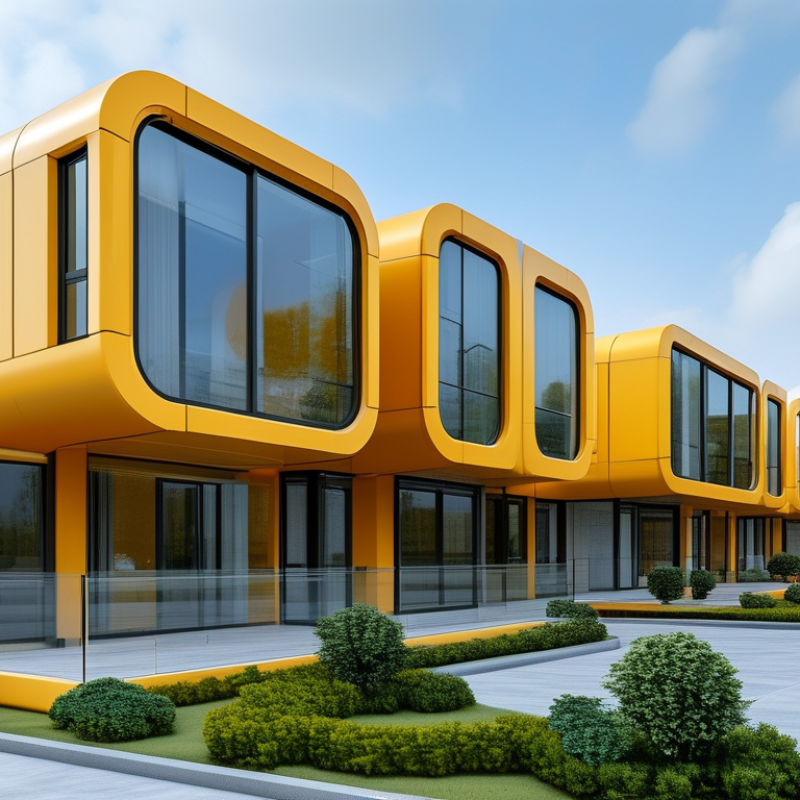
Modular integrated housing is emerging as a viable solution for many industries in 2026. This construction method provides speed and efficiency, addressing urgent housing needs. Various sectors, including health care and education, are adopting modular housing. Hospitals may utilize these structures for temporary facilities during emergencies. Schools could benefit from quick setups for classrooms, especially in areas affected by natural disasters.
The growing demand for affordable housing is prompting local governments to explore modular solutions. These structures are cost-effective and can be customized easily. However, there are challenges to consider. Quality control can be an issue if not managed well. The integration of modern technology into these homes is essential for sustainability. It raises questions about energy efficiency and resource management.
As more industries embrace modular construction, the need for skilled labor will increase. Training programs may not keep up with demand, causing potential delays. Future projects should focus on collaboration with educational institutions to ensure a skilled workforce. This aspect deserves attention to avoid pitfalls. Modular housing has the potential to redefine urban landscapes, but understanding its limitations is vital.
This chart illustrates the projected distribution of modular integrated housing across various industries in 2026. The construction sector is expected to dominate with a 30% share, followed by healthcare and hospitality sectors. Educational institutions and residential applications will also utilize modular housing solutions, reflecting a growing trend in sustainable and efficient building practices.
In 2026, various industries are increasingly adopting modular integrated housing solutions. The construction sector is leading this trend, attracted by the speed and cost-efficiency of modular building methods. According to a recent report by McKinsey, modular construction can reduce project delivery time by up to 30%. This is significant in a world where housing demands are constantly rising.
Healthcare is another industry embracing these solutions. Hospitals face urgent needs for additional space. Modular buildings can be constructed quickly as temporary or permanent facilities. A report from the National Institute of Building Sciences indicates that modular healthcare structures can be operational in as little as six months, significantly improving the response time for expanding healthcare services.
Education facilities are also exploring modular housing options. Schools often require additional classrooms due to rising enrollment numbers. Modular constructions can be tailored to fit specific needs while maintaining budgetary constraints. However, some educators express concerns about the long-term durability of these structures. While efficiency is essential, ensuring quality and safety remains a topic of discussion within these institutions. As the trend continues, industries must balance speed with sustainability and reliability in modular housing solutions.
The construction industry is undergoing a transformative shift toward modular integrated housing.
This change is driven by increasing demand for sustainable and efficient building methods.
Modular housing offers speed, reducing construction time by nearly half compared to traditional methods.
Additionally, these homes are built in controlled environments, enhancing quality and minimizing waste.
Adopting modular housing can lead to significant cost savings over time.
Builders can leverage advanced technology to streamline processes.
However, not every project is suited for modular construction.
Site conditions, design requirements, and budget constraints must be carefully evaluated.
Tap into local resources to explore modular options.
Research ongoing projects in your area that utilize this method.
Understanding community needs can foster collaboration and innovation.
Embracing modular housing requires a shift in mindset.
The industry must adapt its practices to fully realize the potential benefits.
This is an opportunity to rethink design and construction for a sustainable future.
Modular integrated housing is transforming the affordable housing sector in 2026. This innovative approach offers cost-effective solutions tailored for low-income families. By using pre-fabricated units, developers can streamline construction processes. This efficiency reduces labor costs and construction time, making housing more accessible. Many cities are embracing this model to combat housing shortages.
However, it’s crucial to consider potential drawbacks. While modular housing lowers costs, quality can vary. Not all manufacturers adhere to strict standards. Some projects face challenges in zoning and regulations, creating delays. Community acceptance also poses hurdles. Public perception may resist such developments, fearing they diminish neighborhood value.
Despite these obstacles, the impact of modular housing is significant. It has the potential to provide stable homes for many. There is a growing demand for creative solutions to affordable housing. Industry experts believe modular solutions can address these needs if approached thoughtfully. Striking a balance between cost, quality, and community acceptance will be key.
In 2026, modular integrated housing is poised to reshape several industries, particularly construction and real estate. Technological advancements are the primary drivers behind this trend. Innovations in design software have made it easier to create customizable, efficient living spaces. Sustainability is also a key priority. Using eco-friendly materials results in reduced waste during the construction process.
The rise of 3D printing technology plays a significant role. It enables rapid construction and the ability to produce complex structures. With lower costs and reduced labor requirements, this method attracts more stakeholders. Prefabrication techniques are gaining traction, allowing for off-site assembly, accelerating project timelines.
Consider exploring local builders who specialize in modular homes. Finding the right team is crucial for success. Research their previous projects for quality assurance. Stay updated on regulations regarding modular housing in your area. These rules can vary significantly and impact your decisions. Embracing technological changes can enhance living experiences, but it demands careful consideration and adaptation. Balancing innovation with practicality is essential for the future of housing.
| Industry | Modular Housing Applications | Key Innovations | Projected Growth Rate (%) |
|---|---|---|---|
| Construction | Affordable housing units | 3D printing technology | 15% |
| Hospitality | Modular hotels | Prefabricated construction | 12% |
| Healthcare | Temporary medical facilities | Sustainable materials | 10% |
| Education | Classrooms and dormitories | Energy-efficient designs | 8% |
| Disaster Relief | Emergency housing solutions | Rapid deployment techniques | 20% |
: Modular integrated housing is fast and cost-efficient. It can reduce construction time significantly.
Healthcare facilities can quickly expand. Modular buildings can be ready in as little as six months.
Educators worry about the long-term durability of modular structures. Safety and quality are also important issues.
It provides cost-effective options for low-income families. Pre-fabricated units streamline the construction process.
Quality can be inconsistent among manufacturers. Zoning issues and community acceptance can also delay projects.
There is a fear that modular homes could decrease neighborhood value. Public perception is a significant hurdle.
Yes, if approached thoughtfully and with quality in mind, it can provide stable homes. Balancing cost, quality, and acceptance is essential.
Modular healthcare structures can be operational within six months, addressing urgent space needs.
While they lower costs, the overall quality of modular homes can vary. Some may not meet strict construction standards.
Schools needing more classrooms can use modular solutions. However, concerns about safety and durability persist among educators.
In 2026, the modular integrated housing sector is experiencing significant growth, impacting various industries. Key industries adopting modular integrated housing solutions include construction, real estate, and emergency housing sectors, driven by a need for efficiency and sustainability. As the construction industry shifts towards modular housing, there's a noticeable market demand for quicker and cost-effective building methods, enhancing productivity and reducing waste.
The impact of modular housing on the affordable housing sector is profound, providing innovative solutions to pressing housing shortages. Technological innovations are further propelling this trend, with advancements in materials and construction techniques making modular housing more accessible and appealing. This brings us to the important question: what industries use modular integrated housing? The answer reveals a broad spectrum, encompassing sectors aiming to meet evolving housing needs through modern, adaptable frameworks.

Shupshy Container