The construction industry is undergoing a significant transformation. According to a report by McKinsey, modular construction can reduce project timelines by up to 50%. This efficiency is crucial for meeting the rising demand for housing and commercial spaces. However, many still wonder how to plan a modular construction project effectively.
A well-structured plan is essential for success. Poor planning often leads to delays and increased costs. Research indicates that up to 30% of construction projects experience budget overruns due to inadequate planning. Effective project management and collaboration are vital in the modular context. It involves integrating design and construction processes seamlessly.
Moreover, the knowledge of local regulations and supply chain logistics cannot be overlooked. Understanding these factors is essential for mitigating risks. Developing a thorough plan allows stakeholders to foresee potential challenges. Modular construction is a game-changer, but it requires careful consideration and expertise to navigate its complexities. Transitioning to modular methods demands ongoing reflection and adaptation for optimal outcomes.
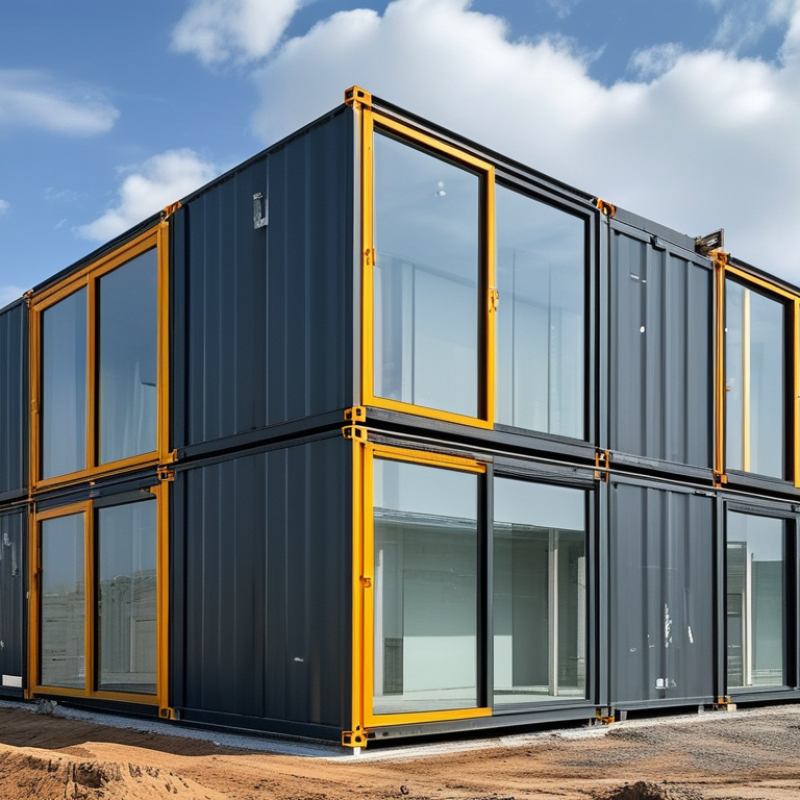
Modular construction is a game changer in the building industry. This method involves creating sections of a structure off-site. Assembling these modules on location can significantly reduce construction time. According to a report by McKinsey, modular construction can accelerate project delivery by 20-50%. With the right planning and understanding, the benefits can be maximized.
Cost efficiency is a major advantage of modular construction. Builders report a reduction in overall costs by at least 10-20% compared to traditional methods. This is due to less material waste and shorter project timelines. However, some projects may incur additional costs if not properly planned. The initial investment in modular tools and expertise can be high. Yet, the long-term savings often outweigh these initial expenses.
Tips: Consider using advanced software for project management. This can keep you on track. Engage with experienced modular manufacturers early in the planning stage. Their insights can avoid potential pitfalls. Stay informed about local regulations on modular buildings. Compliance can save time and money. Remember, every project has its own challenges. A reflective approach can lead to meaningful improvements.
To successfully plan your modular construction project, it’s crucial to establish a clear project vision and objectives. This foundation guides every decision, from design to execution. A well-defined vision aligns the team and stakeholders, ensuring everyone works toward the same goals. Consider what success looks like for your project early on. Visualize the end result and communicate this vision clearly to all involved.
Tips: Engage your team in conversations about the project’s goals. Diverse perspectives often reveal blind spots. Regularly revisit your vision to adapt as needed. Effective communication allows the team to share insights or concerns. This creates a collaborative environment that can drive innovation.
Having measurable objectives is equally important. Set clear criteria for success, like timelines and budgets. These elements should be realistic but challenging, providing your team with direction. Ensure the objectives are specific and broken down into actionable steps. This approach will help in tracking progress and identifying potential issues before they escalate.
Tips: Use project management tools to visualize timelines. Regular check-ins will help to assess if you’re on track. If you find that objectives seem unrealistic, pause and reassess. Reflecting on goals can refine your focus and enhance overall project outcomes. Keep your vision clear, and let it guide your decisions.
| Phase | Objective | Key Tasks | Duration (Weeks) | Responsible Team |
|---|---|---|---|---|
| Planning | Define project vision | Stakeholder consultations, site selection | 4 | Project Management |
| Design | Create detailed designs | Architectural design, engineering plans | 6 | Design Team |
| Procurement | Obtain materials and services | Vendor selection, contract negotiation | 4 | Procurement Team |
| Construction | Build modular sections | Fabrication, assembly | 12 | Construction Team |
| Commissioning | Finalize and test | Quality checks, system testing | 3 | Quality Assurance Team |
Planning a modular construction project requires a detailed timeline with clear milestones.
According to a report by McKinsey, modular projects can be completed 20% faster than traditional methods.
However, despite this advantage, careful scheduling is vital. Inaccurate timelines can lead to cost overruns and resource shortages.
Creating a project timeline involves identifying critical tasks, deadlines, and dependencies.
Use project management software for real-time updates.
For instance, consider the lead time for manufacturing modules. This often takes longer than anticipated.
Establishing a buffer in your timeline can mitigate unexpected delays.
Tip: Break the project into phases. Assign specific milestones for each phase. This helps track progress effectively.
Tracking progress regularly is essential. Assess whether each milestone is met as scheduled.
In cases of delays, response strategies should be in place.
Tip: Maintain open communication with all stakeholders. This ensures everyone is aligned and can adjust to changes.
Flexibility is key in managing timelines. Reflect on past projects to identify where timelines faltered.
Understanding these pitfalls can help in future planning.
Selecting the right modular design and construction partners is essential for success. According to recent industry reports, nearly 70% of construction projects face challenges due to poor collaboration. Finding the right team can mitigate these risks. A thorough vetting process is important. Assess partners based on their previous projects. Look for documented successes in modular construction.
Consider their workforce experience. Data shows that 80% of successful modular projects were led by seasoned professionals. Verify certifications and training programs. Misalignment in skills can lead to delays and budget overruns. The choice of partners influences project timelines and quality. Contracts should include clear expectations to minimize misunderstandings.
Building strong communication channels is vital. Studies indicate that projects with regular updates see a 50% reduction in disputes. Reflect on potential issues arose in previous projects you managed. Creating an adaptable framework becomes necessary in such cases. Having reliable partners can serve as a safety net. Prioritize transparency and shared goals. This approach fosters a collaborative environment where ideas can flourish.
Effective communication is crucial in modular construction projects. Coordination among all project stakeholders ensures smooth progress.
Regular meetings can facilitate dialogue. They help address issues proactively. Each team member should feel comfortable sharing concerns. Creating an environment of transparency enhances trust.
Utilizing modern communication tools can boost efficiency. Platforms for real-time updates keep everyone informed. Documenting decisions and changes is vital. This practice prevents misunderstandings. It's easy to overlook documentation in busy phases. However, neglecting this can lead to costly errors. Scheduled check-ins can help maintain focus.
Project timelines often create pressure. Teams may prioritize speed over communication. This can result in fragmented information. Developing a structured communication plan can mitigate these risks.
Define clear lines of communication at the project's onset. Establish who communicates what and when. This clarity leads to better collaboration and project outcomes.
: A clear project vision guides decisions from design to execution and aligns the team towards common goals.
Set realistic criteria for success, like budgets and timelines. Break objectives into actionable steps for clarity.
Effective communication fosters collaboration and trust among stakeholders, helping to address issues early and transparently.
Identify critical tasks and deadlines. Use project management software and include buffers for unexpected delays.
Assess the situation regularly and develop response strategies. Open communication with stakeholders is essential for alignment.
Being flexible allows adjustments based on real-time progress and helps avoid the pitfalls from previous projects.
Schedule regular meetings and use real-time communication tools to keep everyone informed and engaged.
Pause to reassess your goals. Reflecting on objectives can help refine focus and improve outcomes.
Allocate time for documenting decisions and changes. This practice can prevent misunderstandings and costly errors.
Neglecting communication can lead to fragmented information and potential errors. It’s crucial to prioritize clear exchanges.
To successfully understand how to plan a modular construction project, it's essential to grasp the fundamental concepts and benefits of modular construction. By establishing a clear project vision and setting specific objectives, stakeholders can ensure that everyone involved is aligned towards a common goal.
Developing a detailed project timeline with well-defined milestones helps in tracking progress and maintaining accountability. Selecting the right design and construction partners is crucial, as their expertise can significantly impact the project's outcome. Additionally, implementing effective communication and coordination strategies fosters collaboration among team members, which is vital for overcoming challenges and delivering a successful modular construction project.
Shupshy Container