How to Determine if Modular Buildings are Environmentally Friendly?

Time:2026-05-07 Author:Ethan
0%

Determining whether modular buildings are environmentally friendly requires careful evaluation of their lifecycle impacts. Industry reports show that modular construction can reduce waste by up to 90% compared to traditional methods. This significant waste reduction highlights the eco-friendly potential of modular buildings.

Experts agree that sustainability depends on material choices and energy use. Studies indicate that greener materials can lower carbon footprints by 20-30%. Yet, some companies still overlook the embodied energy stored within modular components. This oversight raises questions about true eco-friendliness.

While modular buildings often boast faster construction times and less site disruption, their long-term environmental benefits remain uncertain without thorough assessment. The industry’s latest data suggest a promising trend but also reveal gaps in standardized evaluation methods. Are modular buildings environmentally friendly? That depends on design, materials, and lifecycle management.
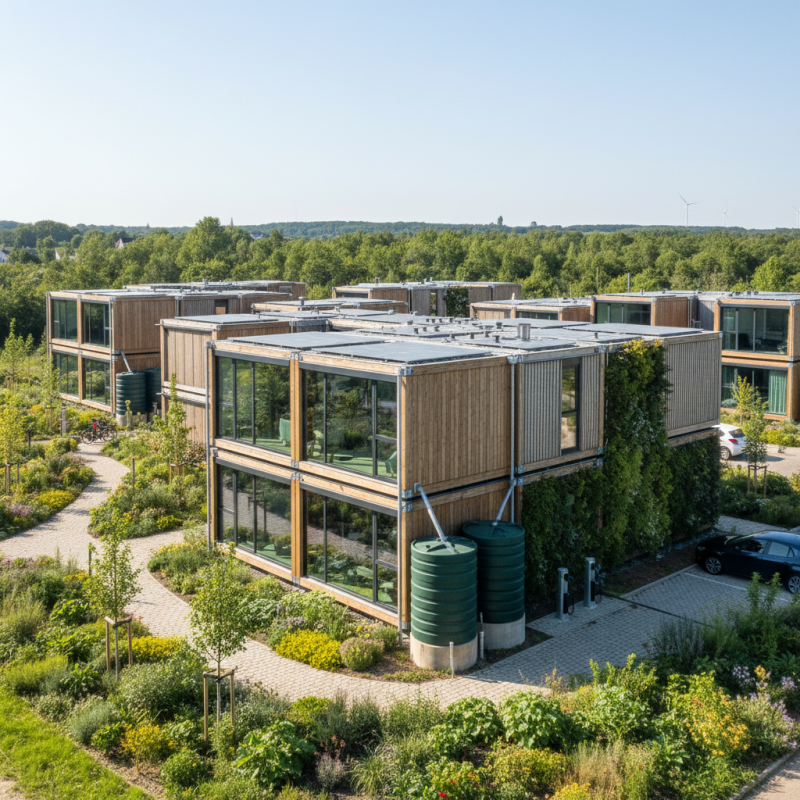
How to Determine if Modular Buildings are Environmentally Friendly?

Understanding Modular Buildings: Definitions and Characteristics

Modular buildings represent a shift in construction. They are prefabricated structures made in sections. These sections are transported and assembled on-site. The modular approach can reduce construction time and waste, contributing to sustainability.

Studies show that modular buildings generate 90% less waste than traditional methods. A report from the Modular Building Institute indicates these structures often consume 30% less energy. By using efficient materials and processes, modular buildings can lower carbon footprints. This innovation allows for a more sustainable approach to construction.

Tips: When assessing modular buildings, focus on materials used. Look for eco-friendly options. Verify if the manufacturer employs sustainable practices. Understand the local impact of sourcing materials. Regular audits on emissions can ensure ongoing environmental responsibility.

Evaluating Materials Used in Modular Construction for Sustainability

When evaluating the sustainability of modular buildings, the choice of materials is crucial. Many modular constructions utilize recycled and eco-friendly materials. This reduces waste and conserves natural resources. Sustainable materials can include bamboo, reclaimed wood, and recycled metals. Each of these options has a lower environmental footprint.

However, not all materials labeled as "sustainable" are truly eco-friendly. Some wood products come from unsustainable forests. Additionally, synthetic materials often contain harmful chemicals. These substances can leach into the environment over time. It is essential to research material certifications. Look for labels that indicate sustainable sourcing and low emissions.

Furthermore, consider the lifecycle of the materials. How long will they last? Will they require maintenance that impacts the environment? These questions are vital. A thorough evaluation of materials should cover origin, durability, and overall sustainability. This process can be complex and not always straightforward. Sustainable choices may come with higher upfront costs, prompting a need for reflection on budget versus environmental impact.

Assessing Energy Efficiency and Waste Reduction in Modular Buildings

Energy efficiency is a crucial aspect of assessing modular buildings. These structures often employ advanced insulation materials. This helps in reducing energy consumption for heating and cooling. Many modular designs maximize natural light. This reduces reliance on artificial lighting, further saving energy. Additionally, energy-efficient appliances can be integrated during construction. This level of planning offers sustainable benefits.

Waste reduction is another significant factor. Modular buildings are typically constructed off-site in controlled environments. This leads to less material waste compared to traditional building methods. Any excess materials can often be reused for future projects. However, the actual effectiveness of these practices can vary. Not all modular companies may adhere to the best standards. It’s essential to investigate the specific practices of each company involved in the construction.

Environmental impact extends beyond initial construction. Long-term sustainability is crucial. Energy-efficient designs contribute to lower utility costs over time. However, the overall ecological footprint must also include transportation emissions. Modular buildings often travel significant distances to their final locations. This logistical concern can sometimes offset energy savings. Therefore, a comprehensive evaluation is necessary.

Examining the Life Cycle Impact of Modular Structures on the Environment

The life cycle impact of modular structures on the environment is a complex subject. Analyzing modular buildings involves looking at their production, usage, and end-of-life phases. Each stage has its own environmental footprint that must be examined carefully.

Manufacturing modular units often uses fewer resources than traditional construction. Factories can optimize material use, leading to less waste. However, not all materials used in modular buildings are eco-friendly. Some may not be recyclable. This inconsistency raises questions about long-term sustainability.

During their use, modular buildings can be energy-efficient. They often incorporate insulation and energy-saving technologies. Yet, their impact depends heavily on the source of energy and the location. If they’re placed in areas reliant on fossil fuels, their benefits diminish significantly. At the end of their life cycle, the recycling and disposal practices vary widely, leaving room for improvement. This highlights the need for continuous evaluation and better standards in modular construction.

Environmental Impact of Modular Buildings

Regulatory Standards and Certifications for Eco-Friendly Modular Buildings

When evaluating if modular buildings are eco-friendly, one must consider regulatory standards and certifications. These benchmarks ensure that buildings meet specific environmental criteria. Many countries have adopted green building programs. They focus on sustainability, energy efficiency, and reduced waste. The Leadership in Energy and Environmental Design (LEED) certification is one such standard. It evaluates various aspects of a building’s lifecycle.

Understanding these standards involves recognizing the significance of material sourcing. Builders often use recycled or sustainable materials in construction. However, not all modular buildings meet these high standards. Some may prioritize cost over eco-friendliness. It's essential to scrutinize the materials used and the waste management practices employed.

Tips: Look for third-party certifications. Check for transparency in sourcing materials. Ensure the building meets local environmental regulations. Engage with builders who demonstrate expertise in sustainable practices. By doing so, you can make an informed decision on the environmental impact of modular buildings. Choose wisely, as the choices made today will affect future generations.

FAQS

: What is essential when evaluating the sustainability of modular buildings?

: The choice of materials is crucial. Using recycled and eco-friendly materials reduces waste and conserves natural resources.

Are all materials labeled as "sustainable" truly eco-friendly?

No, some woods may come from unsustainable sources, and synthetic materials can contain harmful chemicals.

How can I determine if materials are sustainably sourced?

Research material certifications. Look for labels indicating sustainable sourcing and low emissions.

Why is the lifecycle of materials significant?

It impacts durability and environmental effects. Questions about maintenance and longevity are vital to consider.

Do modular buildings have a lower environmental footprint during production?

Generally, they use fewer resources, but not all materials are eco-friendly. Some may not be recyclable.

How energy-efficient are modular buildings in use?

They can be energy-efficient with good insulation and energy-saving technologies, but it depends on the energy source.

What should I consider at the end of a modular building's life cycle?

Recycling and disposal practices vary widely, highlighting the need for better standards and evaluation.

What role do regulatory standards play in eco-friendly modular buildings?

They ensure buildings meet specific environmental criteria and promote sustainability, energy efficiency, and reduced waste.

How can I ensure the modular building I choose is eco-friendly?

Look for third-party certifications and transparency in material sourcing. Engage builders experienced in sustainable practices.

What challenges might I face when seeking sustainable modular construction?

Sustainable choices may have higher upfront costs. Balancing budget with environmental impact can be complex.

Conclusion

Determining if modular buildings are environmentally friendly involves several key aspects. Firstly, understanding modular buildings requires an examination of their definitions and unique characteristics, which can aid in assessing their sustainability. Evaluating the materials used in modular construction is crucial, as sustainable materials can significantly reduce the environmental impact of these structures. Additionally, energy efficiency and waste reduction during both construction and operation play a vital role in examining their ecological footprint.

Moreover, it is important to assess the life cycle impact of modular structures, which considers the environmental effects from production to demolition. Regulatory standards and certifications for eco-friendly modular buildings further guide the evaluation process. By exploring these factors, one can gain a comprehensive understanding of whether modular buildings are environmentally friendly and their potential benefits compared to traditional construction methods.

Ethan

Ethan

Ethan is a seasoned marketing professional with a deep expertise in our company's innovative product line. With a passion for sharing knowledge and insights, he takes the lead in regularly updating our corporate blog, where he explores industry trends, product features, and effective marketing......