In recent years, the popularity of modular buildings has surged. They offer flexibility and efficiency, making them appealing for various industries. However, one crucial question remains: what is the lifespan of modular buildings? Understanding this aspect is essential for developers, investors, and users alike.
Typically, modular buildings can last around 30 to 50 years, similar to traditional structures. This lifespan heavily depends on materials, construction methods, and maintenance levels. Factors such as environmental conditions and usage patterns also play a role. Some modular buildings have even shown potential for longer lifespans with proper care and upgrades.
Yet, this topic invites scrutiny. Often, assumptions about durability are based on initial cost rather than long-term value. This can lead to a false sense of security. Investors must consider maintenance plans and adaptation possibilities. While modular buildings can indeed be a reliable option, reflecting on lifecycle costs is vital for informed decisions.
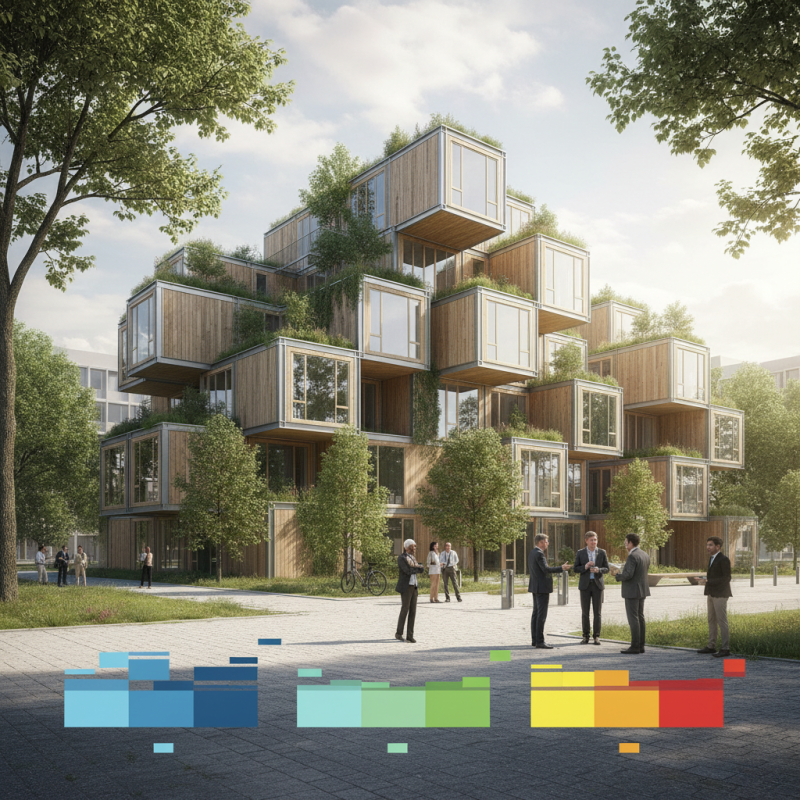
Modular buildings are gaining popularity due to their efficient construction method. They are built off-site and transported to the final location. This process saves time and often resources. However, understanding their lifespan is crucial for potential buyers. Generally, modular structures are designed to last around 30 to 50 years.
The materials used significantly impact durability. High-quality steel and reinforced concrete contribute to longer lifespans. Yet, some cheaper options may suffer quicker wear and tear. Environmental factors like weather and maintenance routines also play a role. For instance, frequent exposure to harsh climates can deteriorate the building’s integrity.
One should consider potential issues. For example, improper assembly or transportation might lead to structural problems. It’s vital to consult experts during planning. They can provide insights into ensuring longevity. Thus, while modular buildings offer many benefits, awareness of their lifespan and necessary upkeep is essential for long-term satisfaction.
| Building Type | Expected Lifespan (Years) | Common Materials Used | Maintenance Frequency (Years) | Advantages |
|---|---|---|---|---|
| Residential Modular | 50 | Wood, Steel, Insulation | 5 | Cost-effective, Quicker Build Time |
| Commercial Modular | 40 | Steel, Aluminum, Concrete | 7 | Flexible Design, Sustainable Options |
| Educational Modular | 30 | Wood, Steel, Glass | 5 | Versatile Usage, Quick Setup |
| Healthcare Modular | 35 | Steel, Concrete, Specialized Materials | 4 | Hygienic, Customizable Layouts |
| Industrial Modular | 45 | Steel, Fiberglass, Reinforced Materials | 6 | Durable, Energy-efficient |
: Industry standards ensure better quality materials and construction, impacting the durability of modular structures.
Always verify the legitimacy of certifications. Research local codes and regulations as well.
Factors like poor installation and extreme weather can lead to significant issues over time.
Regular inspections are crucial. Detecting issues early can save time and money in repairs.
Focus on roofing and insulation. Small repairs can prevent larger problems.
Protective coatings enhance durability, helping structures withstand harsh weather conditions.
Smart HVAC and solar panels reduce operational stress and extend building usability.
High-quality materials are essential. They reduce wear and improve overall durability.
Innovations in materials and design enhance durability, making structures more climate-resistant.
Evolving standards and trends are crucial for making informed decisions about necessary upgrades.
The article "2026 Best Modular Buildings Lifespan Explained" delves into the critical topic of what is the lifespan of modular buildings, offering insights into their longevity compared to traditional construction methods. It begins by explaining the concept of modular buildings and their general lifespan, followed by a detailed discussion of the various factors that can influence their durability, particularly in the context of advancements expected in 2026.
Additionally, the article highlights the importance of industry standards and certifications that ensure the quality and longevity of modular structures. A comparative analysis illustrates how modular buildings can often outperform traditional constructions in terms of lifespan, thanks to innovations and better materials. Finally, it touches on future trends in modular construction that promise to further enhance the lifespan of these buildings, making them a sustainable choice for various applications.

 Shupshy Container