As the world increasingly embraces sustainability, a crucial question arises: are modular buildings environmentally friendly? This inquiry is important for global buyers seeking eco-conscious construction solutions. Modular buildings are prefabricated structures made off-site and then assembled on location. Their design can significantly impact energy efficiency and resource use.
One major advantage is minimal waste generation. Traditional construction often leads to excess materials, which contributes to landfills. Modular buildings aim to reduce this footprint. However, not all modular constructions are created equal. Some materials used may still raise environmental concerns.
Moreover, energy consumption during transportation plays a role. While modular buildings can streamline the process, long-distance shipping may negate some eco-friendly advantages. It's clear that further analysis is necessary. Buyers should weigh the benefits against potential drawbacks. Thus, the question remains: are modular buildings environmentally friendly? Addressing this is vital for informed, responsible purchasing decisions.
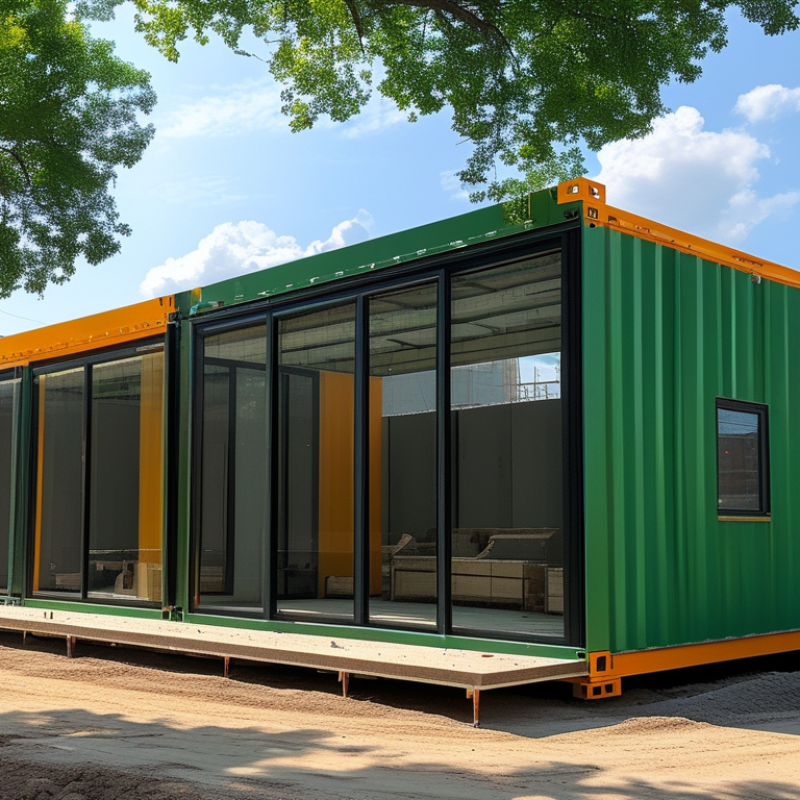
Modular buildings have gained attention for their potential environmental benefits. These structures are factory-built and often constructed using sustainable materials. This process reduces waste during production. The modular approach minimizes on-site construction time, which can lower emissions from construction equipment. However, the environmental impact varies based on the materials and techniques used.
Many modular buildings utilize eco-friendly insulation and renewable resources. These aspects contribute to lower energy consumption. Yet, not all modular constructions meet high sustainability standards. Some may rely on traditional materials that can hinder their green claims. It's crucial for buyers to research the materials used in their chosen designs.
Waste management in the construction industry is challenging. Modular buildings can help, but they aren't a complete solution. Careful consideration is needed when evaluating their full environmental effect. Buyers should weigh the benefits against possible drawbacks. It's necessary to think critically about the life cycle of these buildings. Understanding the details will aid in making informed decisions.
Modular construction techniques are gaining attention for their sustainability features. These buildings often use pre-fabricated components, which can lead to significant waste reduction. Additionally, many modular units are designed for energy efficiency, reducing overall resource consumption during their lifecycle.
One important aspect to consider is material selection. Sustainable materials, like recycled steel and low-VOC finishes, contribute to lower environmental footprints. Every choice impacts the final structure, which should resonate with eco-conscious buyers.
Tips: When exploring modular options, look for certifications that indicate eco-friendly practices. Always ask about energy efficiency ratings. Investigate how waste is managed during construction; transparency is key.
While modular buildings show promise, challenges exist. For instance, not all modular units are created equal. Some may still employ outdated materials or practices. It’s crucial to evaluate each project holistically. The potential for improvement remains, prompting buyers to demand better standards.
Modular buildings have gained attention for their potential environmental benefits compared to traditional building methods. Research indicates that modular construction can reduce waste by up to 90% during the building process. This is largely due to controlled factory settings where materials are precisely measured and cut. In contrast, traditional construction often leads to significant onsite waste and inefficiencies.
Additionally, modular buildings require less energy to construct. According to a study by the Modular Building Institute, modular methods can cut energy costs by 20-30%. Reduced energy consumption aligns with sustainability goals, making these structures appealing to global buyers concerned about their carbon footprint. However, some argue that the shipping and transportation of modular units may counteract these energy savings. The actual impact on sustainability often depends on location and transportation methods.
Water consumption during construction is another consideration. Modular buildings can use up to 60% less water than traditional methods. However, the complexity of many modular designs can lead to over-engineering. This might negate some of the environmental advantages. Buyers must carefully evaluate the trade-offs. Balancing efficiency with eco-friendliness is key in this evolving landscape.
Modular buildings are increasingly considered in discussions about sustainability. A life cycle analysis focuses on two critical factors: energy use and waste management. According to a study by the Modular Building Institute, modular construction can reduce energy consumption by up to 67% when compared to traditional building methods. This reduction is partly due to improved insulation and energy-efficient systems.
Waste management is another area where modular buildings can excel. Research indicates that modular construction generates 50% less waste. This is because much of the construction takes place in factories, allowing for better control of materials. Efficient use of resources minimizes the excess that usually ends up in landfills. However, the transportation of modular units can also contribute significantly to carbon emissions, which is a critical issue to reflect on.
Despite these advantages, challenges remain. Not all modular buildings meet stringent sustainability certifications. Furthermore, regional variations in material sourcing impact environmental benefits. As the demand for sustainable building practices grows, the industry must address these inconsistencies. Continuous improvement is essential for modular buildings to truly stand out as a green solution on a global scale.
The rise of eco-conscious buyers is reshaping the modular building landscape. According to recent industry reports, modular construction can reduce carbon emissions by up to 50% compared to traditional methods. This significant impact appeals to buyers who prioritize sustainability. They seek solutions that not only meet their immediate needs but also contribute to a healthier planet.
Moreover, modular buildings often use sustainable materials, leading to lower waste production during construction. On average, modular projects generate 90% less waste. Yet, challenges remain. Many potential buyers question the long-term durability of modular structures. They worry about whether these buildings can stand the test of time. Research indicates that addressing these concerns is crucial for wider acceptance.
As green certifications become essential, more buyers look for eco-friendly options. A recent survey found that 63% of buyers prioritize energy efficiency in their building choices. Despite this, not all modular buildings meet these standards. As the industry evolves, continuous improvements are necessary to enhance consumer confidence and demonstrate environmental benefits effectively.
| Region | Percentage of Eco-Conscious Buyers | Adoption Rate of Modular Buildings (%) | Common Eco-Friendly Features |
|---|---|---|---|
| North America | 65% | 30% | Recyclable materials, Energy-efficient systems |
| Europe | 70% | 40% | Eco-friendly insulation, Solar panels |
| Asia-Pacific | 50% | 25% | Sustainable finishes, Water-efficient fixtures |
| South America | 55% | 20% | Local materials, Green roofs |
| Africa | 45% | 15% | Natural ventilation, Low-impact construction |
: Modular buildings are factory-built structures designed for quick assembly on-site. They often use sustainable materials, reducing waste.
They minimize on-site construction time and can lower emissions. Some use eco-friendly insulation, which boosts energy efficiency.
Not all are equal. Some use traditional materials, which can undermine sustainability claims. Research materials used before purchasing.
Sustainable materials like recycled steel and low-VOC finishes are preferred. Every choice influences the structure’s environmental footprint.
While modular buildings reduce waste, they aren't a complete solution. Consider waste management strategies carefully for a full assessment.
Yes, they can use up to 60% less water than traditional methods. However, complex designs might negate some savings.
Look for eco-friendly certifications that indicate sustainable practices. Transparency about energy efficiency ratings is crucial.
Yes, not all units are made equally. Outdated practices may be present, making a holistic evaluation essential before investing.
Modular construction may reduce energy costs by 20-30%. However, transportation could counteract some of these savings.
Evaluate efficiency versus eco-friendliness. Over-engineering in designs could compromise environmental benefits, requiring careful thought.
The article "Are Modular Buildings Environmentally Friendly for Global Buyers?" explores the environmental impact of modular construction techniques. It begins by providing an overview of modular buildings and their benefits, emphasizing their sustainability features, such as reduced waste and energy efficiency during the construction process. The comparison between modular and traditional building methods highlights significant advantages in sustainability, showcasing how modular buildings can lower carbon footprints and resource consumption.
Additionally, the article delves into the life cycle analysis of modular buildings, illustrating their energy use and waste management practices. As global trends evolve, more eco-conscious buyers are embracing modular construction, further raising the question: are modular buildings environmentally friendly? The analysis presents compelling evidence that supports the claim, making modular buildings a viable option for sustainable development in the construction industry.

Shupshy Container