Urban areas face unique challenges in construction and housing. High demand and limited space make traditional building methods less effective. Recent studies indicate that modular buildings are suitable for urban areas, providing innovative solutions to these issues. According to a report by McKinsey, modular construction can reduce project timelines by up to 50%. This efficiency is essential in densely populated regions where delays can lead to significant cost overruns.
Moreover, modular buildings often boast a smaller carbon footprint. The Global Alliance for Buildings and Construction estimates that modular techniques can cut greenhouse gas emissions by 30%. This aligns with urban sustainability goals. These buildings not only save time but also promote eco-friendliness, which is increasingly vital for city planners. However, some may argue that modular construction lacks the aesthetic appeal of traditional buildings. This is a valid concern that requires careful consideration.
Ultimately, the question remains: are modular buildings suitable for urban areas? With their rapid deployment, cost efficiency, and environmental benefits, they present a compelling option for urban development in an increasingly crowded world. The conversation around their integration into urban settings must continue, focusing on improving design and community acceptance.
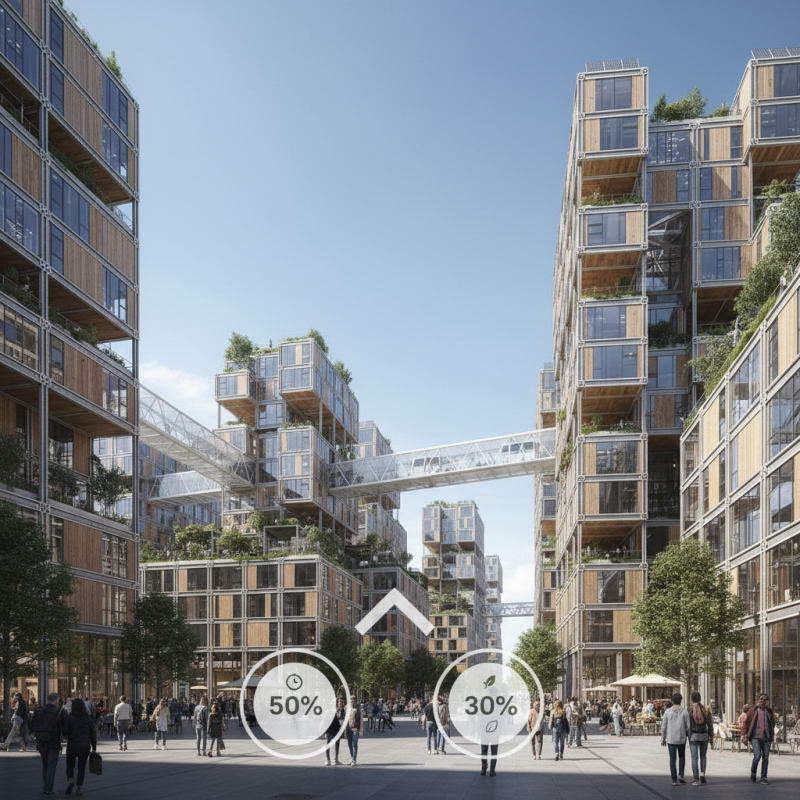
Urban areas face unique challenges such="limited space and high housing demand. Modular buildings offer effective solutions in these settings. According to a report from the Modular Building Institute, modular construction can reduce project timelines by up to 50%. This speed is essential in bustling cities where time equals money.
One key benefit of modular construction is sustainability. As cities strive to become more eco-friendly, modular buildings contribute to this goal. They generate less waste compared to traditional construction. A study by a leading green building organization found that modular methods can cut material waste by up to 90%. Energy-efficient designs are also easier to implement with modular units, increasing their appeal.
Tip: When considering modular buildings for urban areas, focus on project timelines and sustainability. A well-planned modular project can create efficient living spaces quickly.
However, modular buildings require proper regulations and codes adherence. Local laws vary significantly. It is crucial to work closely with city planners and construction experts to navigate these challenges.
Tip: Collaborate with experienced professionals. Their expertise can help ensure compliance and elevate project success.
Modular architecture is increasingly recognized for its flexibility and adaptability, particularly in urban areas. According to a report by the Modular Building Institute, 90% of modular buildings are completed in half the time of traditional structures. This speed offers a unique advantage for cities grappling with rapid population growth. Modular units can be designed to fit diverse urban landscapes, transforming underutilized spaces into functional properties.
Space constraints in urban settings demand innovative solutions. Modular buildings can be stacked or arranged creatively, maximizing limited square footage. Many cities have deployed modular units for affordable housing and temporary structures during emergencies. A recent study from McKinsey highlights that modular construction can reduce costs by up to 20%. This demonstrates a viable option for municipalities seeking rapid development without sacrificing quality.
However, the integration of modular buildings can present challenges. Local zoning laws may not always accommodate these new structures seamlessly. Additionally, residents often have concerns about aesthetics and permanence. Engaging communities in the design process can ease these tensions and foster acceptance. Though modular architecture offers transformational potential, ongoing dialogue is essential to address these shortcomings. Engaging stakeholders can unveil the balance between innovation and community needs.
Modular construction offers a cost-effective solution for urban areas facing rapid growth. These buildings are prefabricated off-site, which reduces labor costs and minimizes construction time. Less time on-site leads to decreased disruption, a crucial factor in densely populated cities. With rising land prices, using limited space efficiently becomes essential.
Additionally, modular buildings require fewer resources than traditional construction. They generate less waste, and many materials can be recycled or reused. This approach makes financial sense and aligns with sustainability goals. However, some still question the long-term durability of modular structures. While they are built to code, perceptions of quality may vary.
Flexibility is another significant aspect. Modular units can be easily reconfigured or expanded to meet evolving urban needs. However, this adaptability can sometimes lead to over-engineering, making initial designs complex and costly. Balancing cost-efficiency with practical design requires careful consideration and collaboration among stakeholders.
Modular buildings are gaining traction in urban areas due to their sustainability. According to a report by the Environmental Protection Agency, construction and demolition waste accounts for nearly 25% of all waste. Modular construction reduces this significantly by employing prefabrication techniques. This process allows for 90% of a building to be constructed off-site, minimizing waste and disruption.
Energy efficiency is another critical factor. Studies indicate that modular buildings can reduce energy consumption by up to 30% compared to traditional structures. This is achieved through superior insulation and energy-efficient systems. Cities are already seeing lower utility bills as a result of these innovations.
However, there are challenges. Not all areas are equipped to handle modular construction's specific zoning requirements. Additionally, there’s still a perception issue impacting wider acceptance. Some stakeholders question the durability and quality of these structures. Bridging this gap requires more data and real-world examples to prove their long-term viability. Urban planners must navigate these complexities to fully embrace modular building solutions in sustainable city development.
| Reason | Description | Sustainability Impact | Environmental Benefits |
|---|---|---|---|
| Speed of Construction | Modular buildings can be constructed in a shorter time frame compared to traditional methods. | Reduces time on site, minimizing disruptions in urban environments. | Less construction waste and reduced carbon footprint. |
| Cost-Effectiveness | Lower overall costs due to reduced labor and material waste. | More affordable housing solutions for urban populations. | Efficient use of resources with minimal environmental impact. |
| Flexibility and Customization | Modular designs allow for easy reconfiguration and expansion. | Supports adaptive reuse and urban density. | Promotes sustainable growth and land use in urban areas. |
| Quality Control | Built in factory-controlled environments leading to higher quality standards. | Ensures durability and energy efficiency. | Improves long-term sustainability of urban structures. |
| Minimal Site Disruption | Less invasive construction methods with shorter site engagement. | Mitigates the impact of construction on urban areas. | Preserves local ecosystems and supports community integrity. |
| Energy Efficiency | Designed with energy-efficient systems and materials. | Reduces overall energy consumption. | Decreases greenhouse gas emissions associated with urban living. |
| Sustainability Certifications | Many modular buildings are built to meet green building standards. | Enhances credibility and marketability. | Promotes responsible construction practices. |
| Reduced Waste | Off-site construction minimizes waste generation. | Supports sustainable resource management. | Contributes to pollution reduction efforts in urban areas. |
| Innovative Design | Leverages modern technology for building design and function. | Encourages cutting-edge architectural practices. | Enhances urban aesthetics and livability. |
| Community Integration | Designed to blend into existing urban landscapes. | Fosters community engagement and social cohesion. | Promotes sustainable urban environments. |
Modular buildings have emerged as a practical solution for urban development. They are built off-site, allowing for rapid assembly on location. A study by the Modular Building Institute found that modular construction can reduce project timelines by up to 50%. This means that communities can gain access to new facilities faster.
Urban areas often face challenges with site disruption. Traditional construction methods usually involve noise, dust, and long wait times. In contrast, modular buildings minimize on-site labor and activity. Reports indicate that this can lead to decreased traffic congestion and lower environmental impact during construction. For example, with modular techniques, about 90% of the building process occurs in a controlled factory setting.
However, there are considerations to address. Quality control can vary. Not all modular builders adhere to the same standards. It’s crucial for stakeholders to research and choose experienced manufacturers. While the advantages of speed and reduced disruption are enticing, they must balance this with quality assurance. Navigating the urban landscape requires not just speed, but also a commitment to building structures that meet high standards of durability and safety.
: Modular buildings help address limited space and high housing demand. They also reduce project timelines significantly.
Modular construction can shorten timelines by up to 50%, which is vital in busy urban settings.
They produce less waste than traditional construction methods. They can cut material waste by up to 90%.
They can reduce energy consumption by up to 30%. Superior insulation helps achieve this efficiency.
Yes, local laws can vary widely. Compliance with regulations is critical for project success.
Collaborating with city planners and experienced construction professionals is essential.
There is still a perception issue. More real-world data is needed to demonstrate their long-term viability.
It allows up to 90% of construction to take place off-site, reducing waste and site impact.
Focus on timelines and sustainability. A well-planned approach promotes efficient urban living spaces.
Zoning requirements and perceptions of quality need addressing to foster wider acceptance.
Modular buildings are becoming increasingly popular in urban settings due to their numerous advantages. Firstly, they are modular buildings suitable for urban areas because of their flexibility and adaptability, allowing for effective use of limited space. This type of construction can be tailored to meet diverse needs, whether it's for residential, commercial, or public infrastructure. Additionally, modular buildings offer cost-effectiveness through efficient construction techniques that minimize waste and labor costs.
Moreover, modular construction is environmentally sustainable, often utilizing green materials and reducing energy consumption during the building process. The speed of construction is another significant benefit; modular buildings can be erected rapidly, leading to less disruption in busy urban environments. All these factors contribute to the growing trend of using modular buildings to address the housing and infrastructure challenges faced by cities today.

Shupshy Container